Understanding the New Legislation on Solid Fuel Stoves and Gas Boilers: What You Need to Know

With the new legislation on solid fuel stoves and gas boilers set to take effect from April 1, 2024, there’s been a lot of buzz and some confusion. If you’re concerned about how these changes might impact your home heating options, here’s what you need to know.

WHAT’S CHANGING?

The new legislation aims to reduce emissions and promote cleaner energy use in new homes. From April 1, 2024, new houses will no longer be able to install solid fuel stoves and gas boilers as their primary heating systems. This measure is part of a broader effort to reduce the carbon footprint of new buildings and encourage the adoption of more sustainable heating solutions.

DOES THIS AFFECT EXISTING HOMES?

The short answer is no. Existing homes are completely unaffected by this legislation. The new standards will not apply to the installation of heating systems in homes and buildings that were built before 2024. This means if your home was completed before April 2024, you can still install a solid fuel stove or gas boiler without any issues.

WHAT ABOUT NEW HOMES?

For homes built after April 1, 2024, the rules are more stringent. However, there are some exceptions. Wood-burning stoves and other heating systems that cause emissions can still be installed in new homes if they are intended for emergency heating and if a need can be justified. This ensures that homeowners have reliable backup heating options in case of emergencies.

KEY TAKEAWAYS

1. Existing Homes: If your home was built before April 1, 2024, you can continue to install and use solid fuel stoves and gas boilers without any changes. This legislation does not affect your current heating options.

2. New Homes: For homes completed after April 1, 2024, solid fuel stoves and gas boilers cannot be installed as the main heating system. However, they can be included for emergency use if there is a justified need.

3. Environmental Impact: The aim of this legislation is to reduce emissions from new buildings, promoting the use of cleaner, more sustainable heating solutions.

MOVING FORWARD

It’s important to stay informed about how these changes might affect you, especially if you’re planning to build a new home or upgrade your heating system. For those in existing homes, rest assured that your ability to install and use solid fuel stoves or gas boilers remains unchanged.

If you have any questions or need further clarification, it’s always a good idea to consult with a heating specialist or your local government’s building regulations office. Staying informed and prepared will ensure that you can continue to heat your home efficiently and in compliance with the latest regulations.

FINAL THOUGHTS

While the new legislation marks a significant step towards reducing emissions and promoting sustainability, it’s designed to impact new homes rather than existing ones. By understanding these changes, you can make informed decisions about your home heating needs, ensuring comfort and compliance with the latest standards.

For more detailed information and updates, be sure to follow our blog and stay tuned for further insights on how these regulations may evolve in the future.

Designing the Ideal Summer House with a Stove: Tips & Ideas

This is the perfect summer planning project! Is there anything more exciting than planning for a whole new room that will take you away from the hustle and bustle? 

A summer house is more than just a place to escape to during the warm months; it’s a sanctuary that embodies the essence of summer living. A perfect summer house combines elements of design, comfort, and functionality to provide an ideal garden escape. In this blog, we’ll explore what makes a summer house truly perfect, with a special focus on the inclusion of a stove for added charm and warmth – this is Scotland after all!

WHO AND WHAT:

The first and foremost consideration for a perfect summer house is who and what is it for. A summer house doesn’t just have to be for shelter from the unpredictable weather, it can be utilised to be a spare bedroom, a second lounge, an office space or even a playroom. Deciding the purpose of your summer house will help you to plan the ultimate space.

THOUGHTFUL DESIGN:

The architecture and design of a summer house play a pivotal role in its appeal:

  • Let The Light In

Large windows and open spaces should invite ample natural light, blurring the lines between indoors and outdoors. Did you know that studies have shown that simply opening your curtains in the morning can improve psychological well-being as daylight increases serotonin release? So, it’s a good idea to make sure your summer house allows in plenty of light. 

  • Outdoor Living Spaces:

 Incorporate a deck, patio, or veranda that seamlessly connects and extends the exterior with the interior, creating inviting spaces for alfresco dining and relaxation.

COMFORT AND COZINESS:

A perfect summer house should offer a sense of comfort and cosiness:

  • Furniture: 

Opt for comfortable, inviting furniture that beckons you to unwind. Natural materials like wicker, rattan, and wood are ideal choices.

  • Heat it up:

 Summer houses make a lovely shelter from the blazing sun on the one infamous week of summer we may or may not be lucky enough to get, but by adding a heat source they become a space that can be enjoyed all year round. 

To extend the use of your summer house into cooler evenings or during the transitional seasons, consider installing a stove or a fireplace. The warmth and ambience they provide can transform your space into a year-round retreat. 

OUTDOOR AMENITIES:

Your summer house should encourage you to spend time outdoors. Consider adding amenities like a barbecue grill, outdoor seating, a hammock, or even a hot tub for the ultimate relaxation!

NATURAL ELEMENTS:

Incorporate natural elements into your summer house’s design. Use wood, stone, and other natural materials to create a warm and welcoming atmosphere.

YEAR-ROUND VERSATILITY:

While a summer house is primarily for warm-weather enjoyment, consider features that allow you to extend your visits into other seasons. Kitted out with the right features, you can make the most of this space all year round.

A stove or fireplace, as mentioned earlier, can make your retreat comfortable and inviting during cooler months.

PERSONAL TOUCHES:

Add personal touches to your summer house with art, decor, and furnishings that reflect your style and personality. This will make your retreat feel truly unique and special.

A perfect summer house is a harmonious blend of design, comfort, and functionality. By carefully considering these elements and incorporating a stove or fireplace to ensure year-round enjoyment, you can create a sanctuary that allows you to savour the joys of summer living while making cherished memories with family and friends. Whether you’re basking in the sunshine or cosying up by the fire, your perfect summer house will be a haven of relaxation and delight.

Let us help you find the perfect stove for your outdoor living areas, get in touch today.

Gas Stoves vs. Wood-burning Stoves  – It’s a Hot Debate!

Feeling torn between a gas stove and a wood-burning stove? You want the look of a traditional wood-burner (and you know they smell great!) but perhaps you’ve previously had a home with an open fire and struggled with the maintenance.

In this blog we’ll break down the pros and cons of each stove type to help you make an informed decision.

GAS STOVES

Pros:

1. Versatility in Design:

Gas stoves come in a variety of sizes and styles, catering to diverse interior preferences. There are even models that replicate the traditional wood-burning stove look.

2. Convenience at Your Fingertips:

Instant heat is just a switch away. Gas stoves are incredibly convenient, especially on chilly mornings when you need warmth without the wait.

3. Adjustable Heat and Flame Settings:

Enjoy control over your heating experience with adjustable heat and flame settings. Fine-tune the ambience to suit your mood.

4. No Smell or Dust:

Bid farewell to the characteristic scent and dust associated with wood burning. Gas stoves offer a clean and odour-free alternative.

Cons:

1. Lower Output Than Wood Stoves:

While they radiate heat efficiently, gas stoves generally have a lower output compared to their wood-burning counterparts. They work well as a complement to central heating.

2. Not Ideal for Large Spaces:

Gas stoves may not be the go-to choice for large open rooms or expansive spaces, as their heating capacity has limitations.

3. Environmental Impact:

Burning fossil fuels will always pose an environmental concern. If eco-friendliness is a top priority, this could be a drawback.

4. Potential for Increased Operating Costs:

Fluctuating gas prices may lead to increased operating costs, making it pricier to run the stove for extended periods.

WOOD-BURNING STOVES

Pros:

1. Defra Approval for Smoke Control Areas:

Stoves with Defra approval can be installed in almost any location, meaning that where you live no longer needs to be a barrier when choosing if you can have a wood-burning stove.

2. Diverse Designs:

Just like gas stoves, wood-burning stoves come in various sizes and styles, allowing you to find the perfect fit for your interior.

3. Efficient Heating:

Modern wood burners are efficient in heating. With the addition of an eco-fan, they can circulate air effectively, warming more of the house.

4. Ease of Setup and Operation:

Setting up and maintaining a fire is much easier with modern wood-burning stoves compared to the challenges of an open fire.

Cons:

1. Environmental Impact:

Burning wood still contributes to the environmental impact, albeit differently than fossil fuels.

2. Temperature Control:

Wood-burning stoves can get very hot. Care is required to prevent risks, especially if you have young children or pets.

3. Potential for Higher Operating Costs:

The cost of wood and its delivery may make wood-burning stoves more expensive to run, especially if you don’t have the space to buy in bulk.

4. Log Storage Space and Time Investment:

Storing logs requires space, and the time investment to start and heat up a fire may be more substantial compared to the instant gratification of a gas stove.

In the end, the choice between a gas stove and a wood-burning stove depends on your lifestyle, heating needs, and personal preferences. Whether you lean toward the instant warmth of gas or the classic charm of wood, each option has its unique appeal.

The Return to Noir

Monochromatic interiors, characterised by the bold use of just black and white, have emerged as a timeless and sophisticated design choice. The allure of monochrome design lies in its ability to create harmonious, visually appealing spaces that exude serenity and style. 

In this blog, we’ll explore the art of monochromatic interiors, delving into how this design concept can be masterfully applied to fireplaces, patterns, bathrooms, and kitchens.

Monochrome Fireplaces:

Fireplaces are often the focal point of a room, and a monochrome approach can enhance their elegance:

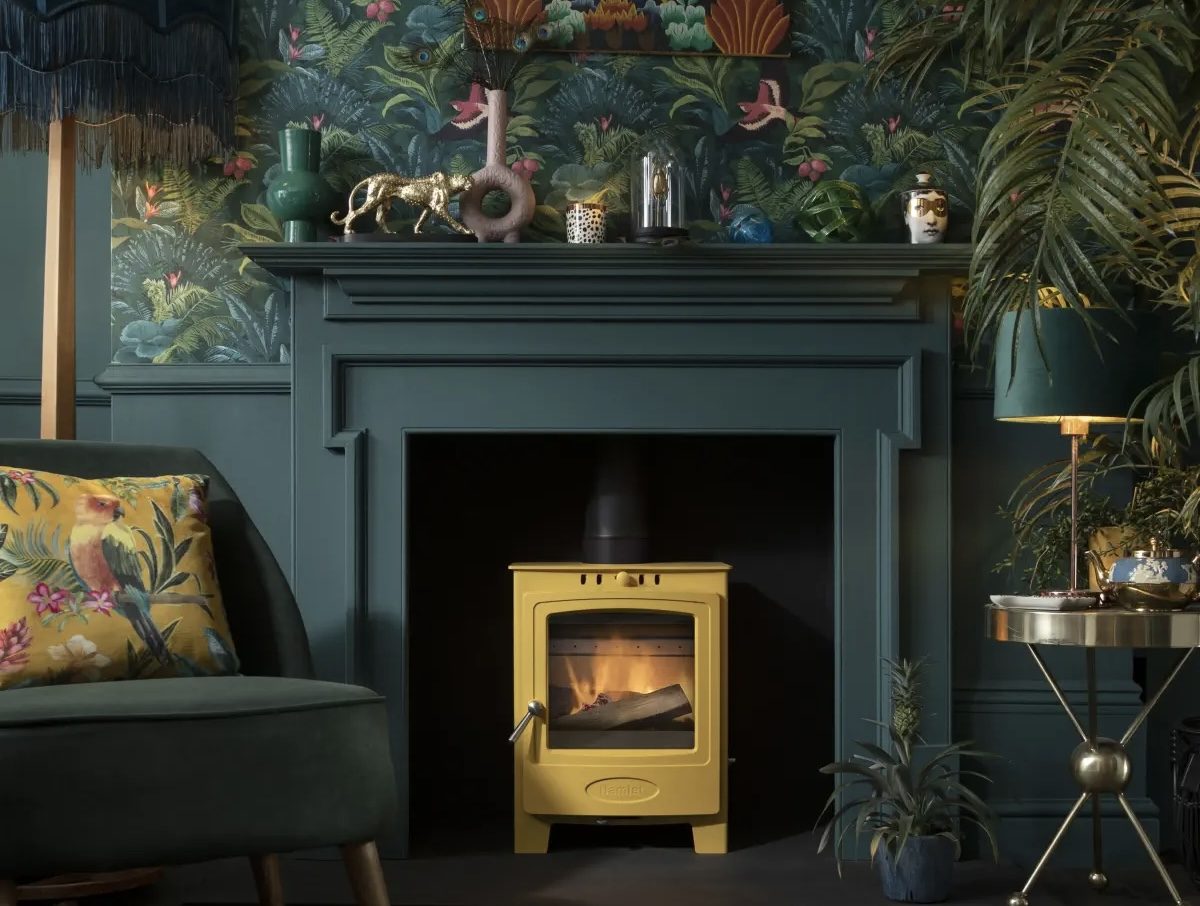
  • Colour Choices: Select a single accent colour to team with your monochrome palette. For example, if you’re going for a serene look, opt for a softening pastel shade of blue or dusty pink. If you desire warmth, consider a bold, fun, yellow or even replacing the black and white with grey and cream.
  • Materials: Use materials that complement your chosen colour palette. White marble or grey stone can create a stunning monochrome effect in a contemporary space, while rich wood tones can infuse warmth into the design.
  • Accents: To add depth and interest, incorporate accents in slightly different shades within your chosen colour family. These could be scatter cushions, artwork, or decor items that complement your fireplace.

Monochrome Patterns:

Monochrome patterns are a fantastic way to introduce texture and visual interest into a space while maintaining a cohesive look:

  • Subtle Sophistication: Monochrome patterns like tone-on-tone wallpapers or fabrics can add depth to your interiors without overwhelming the eye.
  • Contrasting Textures: Mix and match textures like matte and glossy finishes, soft textiles, and metallic accents in the same colour to create dimension.
  • Patterns for Impact: Incorporate subtle patterns like stripes, herringbone, or geometric designs in black and white (or your chosen monochrome shades) for a sophisticated touch.

Monochromatic Bathrooms:

Bathrooms can benefit from a classic monochrome design to create a serene spa-like ambience:

  • Tiles and Surfaces: Select tiles, countertops, and fixtures in your chosen hue. For a luxurious feel, consider a deep, dark shade, or go for a serene vibe with soft pastels.
  • Accents and Accessories: Introduce contrasting textures and materials through bath towels, shower curtains, and decorative items in your chosen shades.
  • Lighting: Well-placed lighting can highlight different textures within your chosen design, adding depth and drama to your bathroom.

Monochrome Kitchens:

  • Monochrome kitchens offer a sleek and modern aesthetic while maintaining a sense of unity:
  • Cabinets and Countertops: Choose cabinets and countertops in the same monochrome hue for a seamless look. Consider contrasting shades for the island or backsplash to create focal points.
  • Appliances and Hardware: Stainless steel or matte black appliances and hardware can provide a stylish contrast in the monochrome palette.
  • Open Shelving: Open shelving in your kitchen allows you to display contrasting dishware and accessories, adding visual interest.

Monochrome interiors are a design approach that outlives trends, offering a timeless elegance that suits a variety of spaces. By applying this concept to fireplaces, patterns, bathrooms, and kitchens, you can create cohesive, visually pleasing environments that exude sophistication and style. 

Maintaining the Flame: A Guide to Stove Care for All Types of Stove

Stoves, whether wood-burning, electric, gas, or outdoor, are invaluable additions to our homes, providing warmth, convenience, and culinary delight. To ensure these essential appliances function efficiently and safely, regular maintenance is key. In this short and informative blog, we’ll explore essential maintenance tips for various types of stoves, helping you keep the flame burning brightly.

Wood-Burning Stoves:

  • Clean the Chimney:

Regularly have your chimney cleaned by a professional to remove creosote buildup, a byproduct of wood combustion. A clean chimney improves airflow and prevents potential fire hazards.

  • Inspect the Gaskets:

Check the gaskets around the stove doors for wear and tear. Tight seals ensure optimal combustion and energy efficiency.

  • Ash Removal:

Empty the ash pan regularly to maintain proper airflow. A layer of ashes can hinder combustion and reduce the stove’s efficiency.

Electric Stoves:

  • Check Wiring and Plugs:

Inspect the power cord, plugs, and outlets for any damage. Faulty wiring can pose safety risks and affect the stove’s performance.

  • Clean the Heating Elements:

If accessible, wipe down the heating elements to remove dust and debris. Clean elements ensure even heat distribution and prevent overheating.

  • Control Panel Maintenance:

Gently clean the control panel with a damp cloth to prevent dust buildup. Avoid using abrasive materials that could damage the surface.

Gas Stoves:

  • Inspect Gas Lines:

Regularly check for gas leaks by inspecting the gas lines and connections. If you detect any gas odour, turn off the supply immediately and seek professional assistance.

  • Clean Burners and Ventilation:

Keep the burners clean and free of debris to ensure a steady flame. Check the ventilation system for any blockages that might affect combustion.

  • Check Pilot Light:

Ensure the pilot light is consistently burning. If it goes out frequently, it may indicate an issue with gas supply.

Outdoor Stoves:

  • Cleaning Grates and Surfaces:

For outdoor stoves, cleaning is crucial. Remove grease and food residue from grates and surfaces to prevent flare-ups and maintain safe cooking conditions.

  • Protect Against the Elements:

If your outdoor stove is not in use, cover it to protect it from the elements. This prevents rust and extends the life of the appliance.

  • Regular Inspection:

Where applicable, perform routine inspections of gas lines, regulators, and hoses. Address any wear or damage promptly to ensure safety during use.

Whether you’re enjoying the warmth of a wood-burning stove, the convenience of an electric stove, the precision of a gas stove, or the outdoor cooking experience, regular maintenance is essential. By following these tips, you’ll not only prolong the lifespan of your stove but also ensure it operates efficiently and safely, keeping the flame alive for years to come.

Dive into the Depths of Design with Mermaidcore Interiors

It’s got seashells and sequins aplenty. It’s got satin and wave prints galore. You want pearls? It’s got more!

This interior trend has been making waves since the beginning of last year and it’s fin-tastic; The Mermaidcore Aesthetic. Discover a world of mermaid-inspired treasures from iridescent ornaments and crochet tails, to sea goddess sculptures and shell-inspired prints. Below we dive in, take a look at this latest trend and show you how to level up your interior game.

Whether the latest live-action Disney adaptation of Hans Christian Anderson’s The Little Mermaid is to blame or the popularity rise in wild swimming, our fascination with the sea is forever growing and mermaids are back on trend with a splash! There are a million different ways to embrace this trend which is what makes it so versatile. Nautical interiors are nothing new, but far from being tacky (which you might assume it could be), it’s one of the most fun and elegant interior trends.

In this blog post, we’ll dive into the depths of Mermaidcore interiors, looking at key elements and offering tips on how to incorporate this trend into your home.

COLOR PALETTE: OCEANIC HUES

The heart of Mermaidcore lies in its mesmerising colour palette. To capture the essence of the deep sea, opt for shades of aqua, turquoise, teal, and seafoam green. These soothing and aquatic colours mirror the tranquil and refreshing atmosphere of the ocean. Pair them with accents of pastel pinks, corals, and last year’s trending colour, lilac, to evoke the magical aura of mermaids.

UNDERWATER-INSPIRED LIGHTING

Illuminate your Mermaidcore haven with lighting fixtures that mimic the soft, underwater glow. Crystal chandeliers, pendant lights with iridescent shades, or even jellyfish-shaped lamps can transport you to the depths of the ocean right from your living room.

SOFT FURNISHINGS

To fully embrace the enchanting ambience of Mermaidcore, choose textiles that glisten and evoke the shimmering scales of mermaids. Look for sequined or ruffled pillows, and iridescent curtains, and throw blankets with a pearlescent sheen. These elements add a touch of glamour and mystique to your interior while remaining true to the mermaid theme.

For a more nautical take on the theme, crochet’s resurgence isn’t going anywhere in 2024 and it ties in ideally with mermaidcore. Interior designers are building on the handwork movement’s momentum by utilising crochet in matching sets such as cushions and throws, placemats and napkin rings. Showcasing fishnet knots, rustic cords, and natural twine in seaside-inspired colours adds a grounding texture to contrast with iridescent and pastel fabrics.

AQUATIC ART AND DECOR

Incorporate art pieces that pay homage to the oceanic world. Consider hanging paintings or prints of underwater scenes, mermaids, or aquatic creatures on your walls paired with seashell-shaped mirrors or wall art. These pieces can serve as focal points and conversation starters.

COASTAL FURNITURE AND ACCESSORIES

To achieve the ultimate Mermaidcore look, choose furniture with coastal or beach-inspired designs. Wicker chairs, driftwood coffee tables, and seashell-embellished cabinets can add a rustic and charming touch to your space.

WHIMSICAL DETAILS, NAUTICAL TOUCHES AND OCEANIC ELEMENTS

To infuse your space with a touch of Mermaidcore, incorporate nautical and oceanic elements. Seashells, starfish, and coral motifs make wonderful decorations, whether they’re displayed on shelves, used as wall art, or incorporated into your furniture. Driftwood sculptures, beach finds, sea glass and pearls all lend themselves to this aesthetic.

MERMAID-INSPIRED PERSONAL TOUCHES

Don’t forget to infuse your personality into your Mermaidcore interior. Incorporate personal touches like mermaid-themed collectables, DIY seashell crafts, or framed photos of your favourite beach memories.

Mermaidcore offers a captivating and imaginative way to infuse your living space with the beauty and mystery of the ocean. Whether you’re drawn to the soothing colours, the enchanting decor, or the whimsical ambience, Mermaidcore provides endless opportunities for creativity. So, dive in, let your imagination run wild, and transform your home into an underwater paradise where the magic of mermaids reigns supreme.

Deck the Halls with Boughs of Holly

Tis the season for decorating, adding trims and flourishes everywhere in order to have the best-dressed house for Christmas 2023. Here we look at some of the top trends in Christmas decor this year aiming to make every house extra merry. Whether you’re an evergreen au natural fan or all about the glitz and glam, we’ve gathered inspiration for everyone suited to every home.

EVERGREEN DELIGHTS 

Foilage is your friend for this trend. Springs of holly and ivy tastefully draped over picture frames, bowls of chestnuts ready to roast, a branch on the mantle twisted with fairy lights and a real fir tree. Embracing the season’s natural elements is an affordable and beautiful way to decorate your home in 2023. Fill mason jars with pinecones, dried orange slices and cinnamon sticks, tie with twine around the top and mix in a few spray-painted ones in gold or silver for some extra sparkle. Make your own pomanders using oranges and cloves to make the room smell amazing. Don’t forget to hand a sprig of mistletoe over the door!

RED AND WHITE STRIPES 

A traditional colour scheme that works wonderfully with vintage kitsch decorations. Think retro additions like tablecloths embroidered with holly motifs, cut glass or crystal wine glasses, tall white candles in tabletop wreaths and linen napkins with napkin rings. It doesn’t need to be new to be nice either, sort through old decorations and reuse favourite festive trinkets that fit the colour scheme. Pop on some classic Christmas tunes, poor yourself a babycham and you’ll all be rocking around the Christmas tree like it’s 1958 in no time!

SPARKLE AND SHINE

Opulence is the name of the game with this trend. Thick winter rugs, deep jewel-toned hues and mirrors to reflect the Christmas tree lights from every angle. It goes without saying that every Christmas table needs an abundance of candlelight to give it that warm glow and festive sparkle. A mirrored surface beneath a candelabra or tea lights in cut crystal holders makes an eye-catching centrepiece on the table creating a beautiful, fragmented light. Complete the look with some tastefully scattered baubles. Added extras such as winter-spice scented candles and richly coloured scatter cushions make the home seem truly sumptuous.

LESS IS MORE

It’s beginning to look a lot like Christmas, everywhere we go… only sometimes it’s all a bit much and when we get home, we want our décor to be a little more understated and calming. A great way to achieve this is by replacing ornaments and pictures with seasonal ones rather than adding and building clutter. Printed Christmas song lyrics and slogans look great framed and wooden decorations such as stars bring a subtle festive theme to any interior without being too much.

MADE WITH LOVE

Sustainable decorations are fully back on trend and it’s about time too. Remember making paper chains, stringing the popcorn together and spending hours cutting paper snowflakes for the windows? It’s time to embrace the nostalgia, grab some scissors and pull out the string. Not only is homemade best made it’s also very economical, and the absolute joy is that it doesn’t need to be perfect to make an impact. From paper snowflakes and origami stars made from junk mail to brown paper packages tied up with string and handcrafted ornaments, the concept is easy – reuse and recycle. Eco-chic is a décor trend that helps you make memories without spending a fortune. 

Keeping the Hearth Merry and Safe: Fireside Safety Tips for the Festive Season

The festive season brings with it the warmth of family gatherings, cosy fireplaces, and the magic of holiday decorations. As we deck the halls and set the scene for a joyful celebration, it’s crucial to keep safety in mind, especially around the fireplace. After all, we wouldn’t want Santa’s name changing to “Krisp Kringle” due to a little mishap! Here are some fireside safety tips to ensure a merry and safe holiday season for all:

FIREGUARDS: A GUARDIAN FOR FESTIVE FLAMES

Investing in a sturdy fireguard is like having a silent guardian for your fireplace. Not only does it add a touch of elegance to your hearth, but it also serves as a protective barrier, preventing curious hands (or paws) from getting too close to the flames.

MIND THE STOCKINGS, MIND THE FIRE

We all love the tradition of hanging stockings with care, but let’s be cautious about where we place them. Keep stockings and other holiday decorations at a safe distance from the fireplace to prevent them from accidentally catching fire. A little care ensures that the only thing going up in flames is the Yule log.

SAY NO TO FLAMMABLE FRIENDS

While fluffy rugs and cushions add comfort to your cosy corner, make sure they’re made from non-flammable materials – you can find more information on choosing hearth rugs here. This simple step can go a long way in preventing accidental fires. Opt for fire-resistant decor to keep the festive spirit alive without compromising safety.

CANDLES: A GLOWING HAZARD

Candles are a quintessential part of holiday decor, but they can pose a fire risk if not handled carefully. Keep candles at a safe distance from the fireplace and away from any potential flammable items. Consider flameless candles as a safer alternative for that warm and inviting glow.

STORE LOGS SAFELY

If you’re using a wood-burning fireplace, store your logs away from the immediate vicinity of the flames. This prevents sparks from igniting unattended logs and reduces the risk of accidental fires. We’ve got a whole blog on log storage ideas right here!

EDUCATE THE LITTLE ONES

For families with children, take a moment to educate them about the dangers of the fireplace. Instil the importance of keeping a safe distance and help them understand the potential risks associated with playing near an open flame.

By following these fireside safety tips, you can create a festive atmosphere that’s not only warm and inviting but also secure for everyone. This holiday season, let the only thing roasting be chestnuts on an open fire and keep the merry moments alive in a safe and joyful environment.

The Arch Aesthetic: A Timeless Elegance

Interior design is a canvas where creativity knows no bounds. Over the years, numerous design trends have come and gone, but one aesthetic that stands the test of time is the arch. Archways bring a timeless elegance and a sense of grandeur to any space, effortlessly blending classic and contemporary elements. In this blog, we explore the new found love for the arch aesthetic in interior design, with a special focus on incorporating arches in fireplace designs.

THE ALLURE OF ARCHES

Arches have been a hallmark of architecture and design for centuries. Their curved form adds a softness to spaces that might otherwise feel angular and cold. Whether it’s a small, subtle arch or a dramatic, sweeping one, this design element adds depth, character, and a sense of history to any room.

INCORPORATING ARCHES INTO INTERIOR DESIGN

Here are some ways to incorporate the arch aesthetic into your interior design:

DOORWAYS AND PASSAGEWAYS

  • Arched doorways can be a striking entry point between rooms where a door isn’t needed.
  • Use them in hallways or corridors to create a sense of flow and connection.
  • Opt for materials like wood or stone for a more rustic or traditional look, or go for sleek metals and glass for a modern twist.

WINDOWS

  • Arched windows are both functional and aesthetically pleasing. You can add faux lead detailing to feature an arched design effectively on existing windows.
  • They allow in natural light while adding a touch of elegance to the room.
  • Choose window furnishings that complement the arch’s shape, like flowing curtains or Roman shades.

FIREPLACE DESIGN

Fireplaces are natural focal points in living spaces, making them the perfect canvas for the arch aesthetic. Here’s how to incorporate arches into fireplace designs:

The Classic Arch Mantel:

  • Create a traditional look with a wooden mantel featuring a gracefully arched opening.
  • Decorate the mantel with timeless elements like candles and family photos in arched frames.

Arched Alcove:

  • Frame the fireplace with arched alcoves that can house artwork or collectables.
  • Use lighting to highlight the alcove and draw attention to the featured items.

Mirrored Arch:

  • Install a mirrored arch above the fireplace for a touch of luxury and to visually expand the space.
  • The mirrored surface reflects light and creates a sense of openness.

Tilework or Stone Surround:

  • Create an arch with tiles or stones surrounding the fireplace opening.
  • Existing tiles could be replaced to feature ones with an arch pattern on them.
  • Play with different patterns and colours to add personality and style.

The arch aesthetic in interior design is a timeless choice that exudes sophistication and charm. Incorporating arches into fireplace designs is just one way to infuse your living spaces with this classic elegance. Whether you prefer a traditional, rustic, or contemporary look, arches can be adapted to suit your personal style, making them a versatile and enduring element in interior design. So, why not embrace the graceful curve of the arch and elevate your home’s ambience to a whole new level of sophistication?
Campfire Bread on a Stick: A Delicious Outdoor Adventure

We know we’ve said it before, but there’s something truly magical about cooking over a fire and bonfire night is a great time to indulge in this! The crackling flames, the smoky aroma, and the sense of camaraderie that comes with gathering around the fire make for unforgettable outdoor experiences. 

One classic, party-pleasing, open-fire recipe is “Campfire Bread on a Stick.” This simple, yet delightful, treat is not only easy to make but also a fun activity that adds a touch of rustic charm to outdoor escapades. In this blog, we’ll take you through the steps to master the art of cooking campfire bread on a stick.

INGREDIENTS:

– 1 cup plain flour

– 1 teaspoon baking powder

– 1/2 teaspoon salt

– 1 tablespoon sugar (optional, for sweeter bread)

– 1/3 cup water

– Wooden skewers or long, clean, sturdy sticks (you can cover the cooking end in tin foil if needed)

– Cooking oil or non-stick spray

EQUIPMENT:

– Mixing bowl

– A surface to knead on – if you’re away from home a camp table or tray works well

– Campfire or open flame – fire pits work great!

Step 1: Gather Your Supplies

Before you embark on your campfire bread-making adventure, make sure you have all the necessary ingredients and equipment ready. Check your fire is set up away from any hazards or flammable items to ensure you have a safe and controlled setup.

Step 2: Prepare the Dough

In a mixing bowl, combine the plain flour, baking powder, salt, and sugar (if using). Mix the dry ingredients thoroughly. Gradually add the water while stirring the mixture. Continue to mix until the dough comes together. You may need to adjust the amount of water slightly, so add it in small increments until you achieve a firm yet pliable dough.

Step 3: Knead the Dough

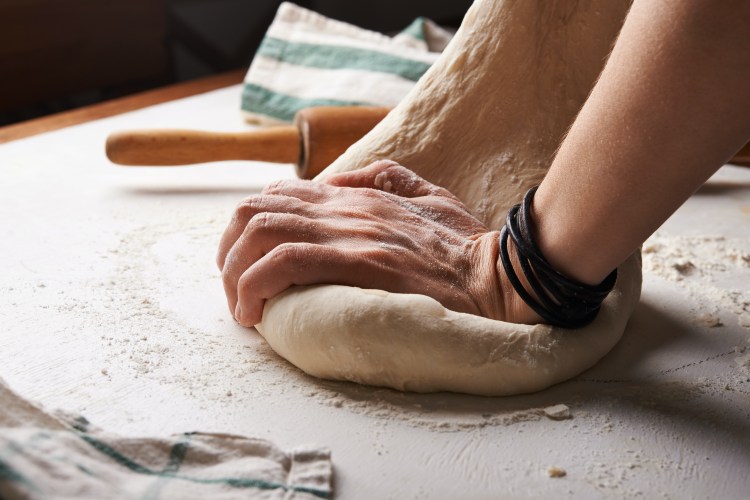
Turn the dough out onto a lightly floured surface and knead it for a few minutes until it becomes smooth and elastic. Kneading helps activate the gluten in the flour, resulting in a better-textured bread.

Step 4: Shape the Bread

Divide the dough into small portions, roughly the size of a golf ball. Roll each portion into a long, snake-like shape, about 1/2 inch in diameter. Take your skewer or stick and wrap the dough around it, forming a spiral shape. Ensure that the dough is secure on the stick, leaving some space at the ends for handling.

Top Tip: If you’re using wooden skewers, soak them in water for about 30 minutes before cooking to prevent them from burning.

Step 5: Cook Over the Campfire

Now, it’s time to bring out the magic of the campfire. Make sure you have a bed of hot coals and a stable cooking area. 

Hold your bread-on-a-stick over the campfire, rotating it gently to ensure even cooking. It should take about 5-10 minutes to cook the bread. You might need gloves! The dough will turn golden brown and crisp up as it bakes.

Step 6: Enjoy!

Once your campfire bread on a stick is beautifully browned and cooked through, carefully remove it from the fire. Allow it to cool for a minute or two before indulging in this delicious treat.

Campfire bread on a stick can be enjoyed on its own, with a drizzle of honey, or as a great accompaniment to a stew or chilli!