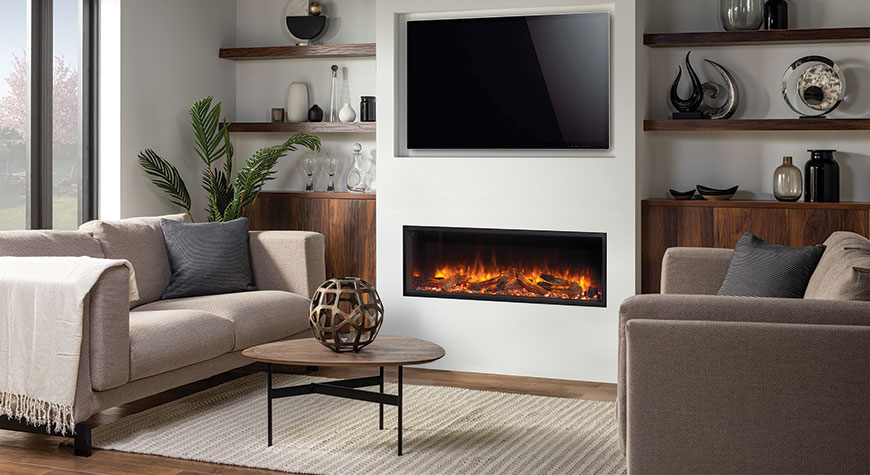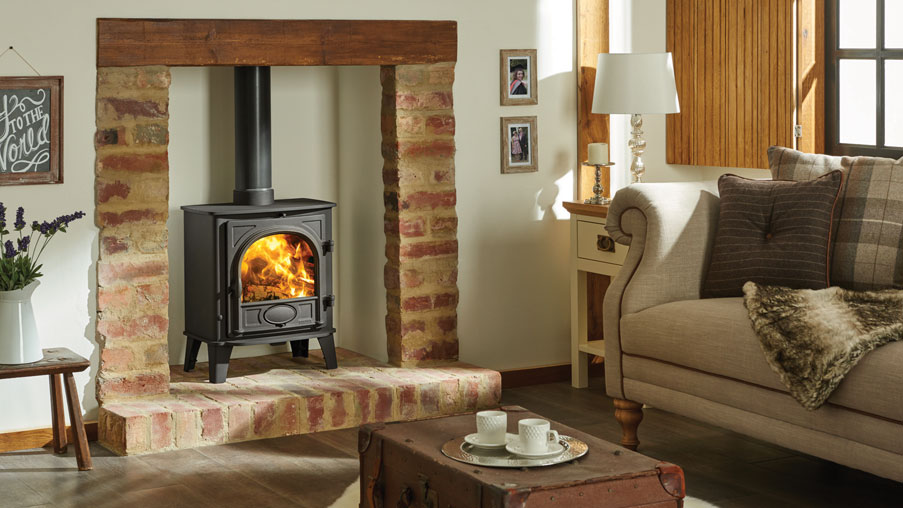
Multi-Fuel or Wood-Burning, The Benefits of Having a Fuel Flexible Stove.

At Living Fires, we provide a large choice of stoves and many of these are available in both multi-fuel and dedicated wood burning versions. We pride ourselves on supplying the high quality multi-fuel stoves with a variety of designs such as traditional styled and modern sleek designs. But a question we often hear from clients is – “What are the advantages of multi-fuel stoves?” We’ve put together this quick rundown to explain how a multi-fuel stove is different from a dedicated wood burner and the benefits of having a fuel-flexible stove.

WHAT MAKES A MULTI-FUEL STOVE DIFFERENT?

It really is as obvious as the names suggest, multi-fuel stoves allow you to burn a choice of different fuels. They can burn logs just like a dedicated wood burning stove. But unlike a pure wood-burner, they can also burn smokeless mineral fuels when required.

How do they do this? Well, as you most likely know, logs and smokeless mineral fuels combust in different ways and at different temperatures, so multi-fuel stoves have a versatile firebox to allow them to burn either fuel with high efficiency.

Wood burns best on a bed of hot ash, with combustion air igniting the gases in the flames above. Smokeless mineral fuels, on the other hand, need combustion air beneath them to burn effectively.

To create optimum burning conditions, multi-fuel stoves have a riddling grate at the bottom of the firebox. The stove’s riddling grate allows air to circulate beneath mineral fuels for a high-efficiency burn.

THE BENEFITS OF HAVING A FUEL FLEXIBLE STOVE:

CHOICE OF FUELS

The great advantage about a multi-fuel stove is that they can burn a range of different fuels, this includes wood, peat and coal. Smokeless mineral fuels also have a higher calorific value than wood, so you get more heat per bag of fuel. In smaller dwellings, such as cabins, lodges, or houseboats, where there is limited storage space, having the option to burn smokeless mineral fuels can be particularly useful.

HIGHLY EFFICIENT

Multi-fuel stoves are extremely efficient, with some stoves boasting an efficiency rating of 80% plus. Having an efficient stove means that the heat which is produced from burning wood or coal is maintained, and not lost through the chimney or flue. Multi-fuel stoves also reduce the amount of fuel used to create heat. In addition, many of our multi-fuel stoves offer a clean burn system which will recycle the excess gases to the flames to be burnt off efficiently.

SUITABLE FOR DIFFERENT LOCATIONS

As well as authorised smokeless mineral fuels, our huge range of Ecodesign Ready multi-fuel stoves can also burn wood with exceptionally low emissions. Many are also suitable for DEFRA Smoke Control Zones, meaning they can burn either fuel type in even the most urban of homes.

LONG LASTING

Not only can a multi fuel stove heat your home for many hours, but they are well and truly built to last the test of time. Many multi fuel stoves are built from cast iron, one of the strongest metals, this enables the stoves to reach high temperatures without the metal bending or flexing under the hear.

GOOD LOOKS

Many people decide to purchase a multi-fuel stove as an efficient way to heat their home. However not only do they heat your home, they also look fantastic! Buying a multi fuel stove creates a real focal point in any room, offering a warm cosy feeling on those winters nights.

If you have any questions about any of our multi fuel stoves, please do not hesitate to get in touch with one of our stove experts by calling us directly or emailing info@livingfires.co.uk.

Fire Alarms, All You Need to Know Ahead of the New 2022 Regulations
Time to wake up! The legislation around fire alarms installed in all Scottish homes is changing with the new standards being implemented from 22nd February 2022.

This legislation is being introduced now as a response to the tragic fire at Grenfell Tower in London. A Ministerial Working Group on Building and Fire Safety was established to review Scotland’s building and fire safety regulatory frameworks. This legislation was introduced in January 2019 and will ensure that everyone in Scotland has the same level of protection whether they own or rent their home.
SO, WHAT’S INVOLVED?

The new fire and smoke alarm standard requires:

  • one smoke alarm installed in the room most frequently used for general daytime living purposes
  • one smoke alarm in every circulation space on each storey, such as hallways and landings
  • one heat alarm installed in every kitchen

All alarms should be ceiling mounted and interlinked.

Where there is a carbon-fuelled appliance (such as boilers, fires (including open fires) and heaters) or a flue, a carbon monoxide detector is also required which does not need to be linked to the fire alarms.

WHO WILL BE IMPACTED?

All housing types will be covered by the new standard, as it is important that all homes should be safe for occupants regardless of tenure. It will be the property owner’s responsibility to meet the new standard, however, the legal duty to enforce the standard rests with local authorities. Where owners are unable to meet the standard, it is not a criminal offence.

All homes must meet the minimum standard of the legislation and, where there is a requirement for specialist equipment, this should be installed in addition to the equipment installed to meet the standard (e.g. for deaf people or telecare/community alarms).

HOW LONG DO YOU HAVE TO MAKE SURE YOUR HOUSE COMPLIES?

These regulations were due to come into force in February 2021, however, in light of difficulties caused by COVID-19, the implementation of this legislation has been delayed for a period of 12 months to February 2022. Obviously, installing alarms at the earliest opportunity, will provide improved fire safety in your home.

If you already have smoke alarms fitted in your home but they are not interlinked you do need to change these to interlinked ones. The requirement of the legislation is to have all alarms interlinked. You may not hear the alarm closest to the fire but, by having an interlinked system, you will be alerted immediately.

HOW TO SELECT YOUR NEW ALARMS.

There are two types of alarms that comply with the new standard:

  • Tamper proof long-life lithium battery alarms, which can be fitted by householders themselves or;
  • Mains-wired alarms, which are cheaper than tamper proof long-life battery alarms, but should be installed by a qualified electrician in accordance with BS7671.

Although cheaper, mains-wired alarms are required to be installed by an electrician which will be an additional cost to homeowners. Any re-decoration to walls and/or ceilings should also be taken into consideration. You may also need a building warrant if you live in a flat.

Both types of alarms are available to purchase online or in store from many retailers. Some retailers are offering various payment methods which allow the cost of the new alarms to be split over a period rather than a one-off payment. Several retailers currently have dedicated sections on their website designed to help consumers in Scotland to buy alarms which meet the new standard and some are offering ‘bundles’ of these alarms which can be cost effective and makes the purchase process easier.

WHICH ALARMS WILL SUIT YOUR HOME BEST?

First choose whether you want battery powered alarms which you can fit yourself (or can be fitted by a handyperson if you don’t feel confident) or hard wired alarms that require to be fitted by a certified electrician.

If you choose battery alarms, they must be tamper proof long-life lithium battery powered and must be capable of being interlinked. The carbon monoxide alarm must have a sealed battery for the duration of its operational lifespan, which may be up to 10 years. If you are using an electrician to install alarms, you can also seek their advice on what alarms to buy as some may include alarms as part of their service.

Once you have chosen which system to install, choose a reputable brand, make sure the packaging clearly displays compliance with BS EN14604:2005 for smoke alarms and BS 5446-2:2003 for heat alarms.

Carbon monoxide alarms should have the British Kitemark (EN 50291-1)

COST

Any costs of upgrading fire and smoke alarms is the responsibility of home owners and landlords. The cost of the alarms will vary according to what you currently have in place and the alarms you choose to install. It is estimated that the cost for an average three bedroom house which requires three new smoke alarms, one new heat alarm and one new carbon monoxide detector will be around £220. This is based on using the type of alarms that you can install by yourself without the need for an electrician.

Depending on your home situation there is some funding available for assistance and installation. However, as a general principle, home owners are responsible for the costs of on-going work needed to protect and preserve their own property. As with other housing standards, it will be the responsibility of the homeowner to meet the new fire and carbon monoxide alarm standard.

HOW WILL THE NEW STANDARDS BE MONITORED?

Most home owners want to make their homes as safe as possible. Compliance will also form part of any Home Report should you decide to sell your home. As this will be a minimum standard for safe houses, local authorities could use their statutory powers to require owners to carry out work on substandard housing.

You can find more details and the full information of the new standards here

5 Ways to Freshen up Your Fireplace for Spring

Once you’ve done with the annual spring clean of your fireplace, packed away the firelighters and log basket for another year, your fireplace can end up looking a little forlorn and uninviting.

We don’t know about you but we are ready for spring. This winter feels like it’s gone on forever and we are loving seeing all the bursts of colour in gardens, lambs in the fields and the odd ray of bright sunshine making an appearance at last!

Here we look at 5 unique ideas to help freshen up your fireplace and keep it in-tune with the rest of your living space ready for the warmer days ahead. 5 quick, easy and budget-conscious ways to freshen up your fireplace for spring. Find out how changing a few simple things can bring your home out of hibernation and transform an entire room!

  1. Bring the Outside In

Fill vases with your favorite blooms and place them on the mantle remind you that spring is here. Buy an inexpensive bouquet at the grocery store and split it up into small posies. We love the eclectic look of mismatched vases or mason jars, and the trend of decorating with vintage watering cans in spring and summer is always a winner!

Don’t forget nature’s other gifts as well, gather branches, moss and pebbles and place them either in or around the base of your flower arrangements. Remember to dry them well first or use a protective mat to avoid marking your mantel.

2. Two Words – Feature Wall

Feature walls have been trendy for a good few years now and their popularity hasn’t waned over time! There’s a very good reason for this – a feature wall brings the room to life without making the room feel crowded or clashing.

The wall your fireplace is situated on is an ideal location for a feature wall as it’s already a focal point in your living space. Be bold with your new background choice and choose something you love. A feature wall consisting of patterned wallpaper or a vibrant colour will draw attention to the area and add a lot of personalisation to your living space. From flowers to birds, geometric prints to city scapes, there are so many wonderful designs when it comes to choosing a wallpaper that suits you.

Spring is the time to paint, since you can finally open your windows and let the fresh air in.  If you’re thinking of simply painting the background behind your fireplace a single colour, then deep blue, mustard, forest green, rusty browns and grey shades are all fantastic choices that follow this year’s interior trends.

Try adding in accessories to complement your wall and matching these to mimic the paper designs or paint colour for a harmonious look.

3. Fill The Fireplace

Now is the perfect time to sweep away the ashes of winter fires and start fresh. Fill your fire basket with plants, an arrangement of candles, or a display of beautiful birch logs. Alternatively, a huge rise has been seen in the trend of covering the fireplace with an attractive, modern folding screen.

4. Play with Punches of Yellow

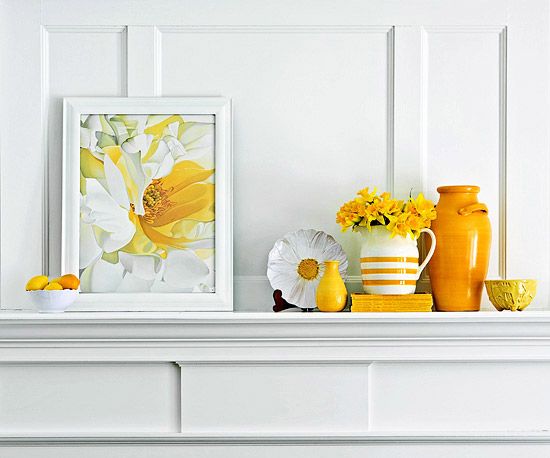
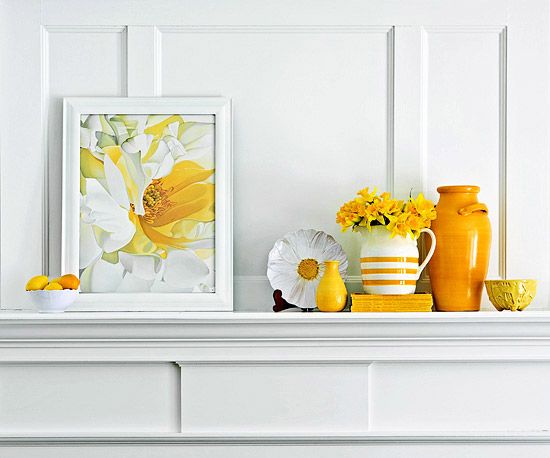
Nothing says “spring” like the colour yellow and Pantone 13-0647 ‘Illuminating’, a bright yellow, is dominating design styles this season. Daffodils are a fresh, inexpensive style accessory that not only freshen up your home but also gives your home a nice spring touch. A tall glass vase daffodils can bring instant style into the lounge for spring.

Make your fireplace mantel decor simple yet stylish by arranging with favorite yellow pieces such as artwork, candles, and ornaments alongside flowers in a vase. Stagger items of different heights and widths in front of each other to create depth – which is key to an attractive display. If you have time to DIY more, you can also do wreaths and garlands to hang over your fireplace mantel

5. Mirror image

The chances are your fireplace isn’t situated under your window, but rather opposite or on a side wall. This means it’s a part of the room that gets the most light. Using a mirror to take advantage of that is a great way to decorate your mantlepiece in the spring. As the days become longer we get more natural light to play with. A mirror can reflect this natural light and bring the feeling of more space to your living room. If your home feels light and spacious, it will most probably put you in a better mood – or shall we say ‘put a spring in your step.’

A Final Note

Nothing says ‘home’ more than personalisation. Not only does your fireplace make a beautiful feature statement in your home – it’s a great blank canvas to personalise with photos of loved ones, cherished trinkets and quirky mini blackboards featuring cute messages. Mid to late spring may be spring cleaning time, but it is also a prime time for a clear-out in the home, so you may come across items in your loft, cupboards or stowed away boxes that you had previously forgotten about. This could include vintage glass bottles, ornate clocks, the children’s old trophies and good-looking old leather-bound books! Anything goes when it comes to personalising your mantlepiece – it’s just a matter of visualising and being creative.

The Go Eco Adventurer Glamping Stove

There’s a new kid on the block and we’re excited!

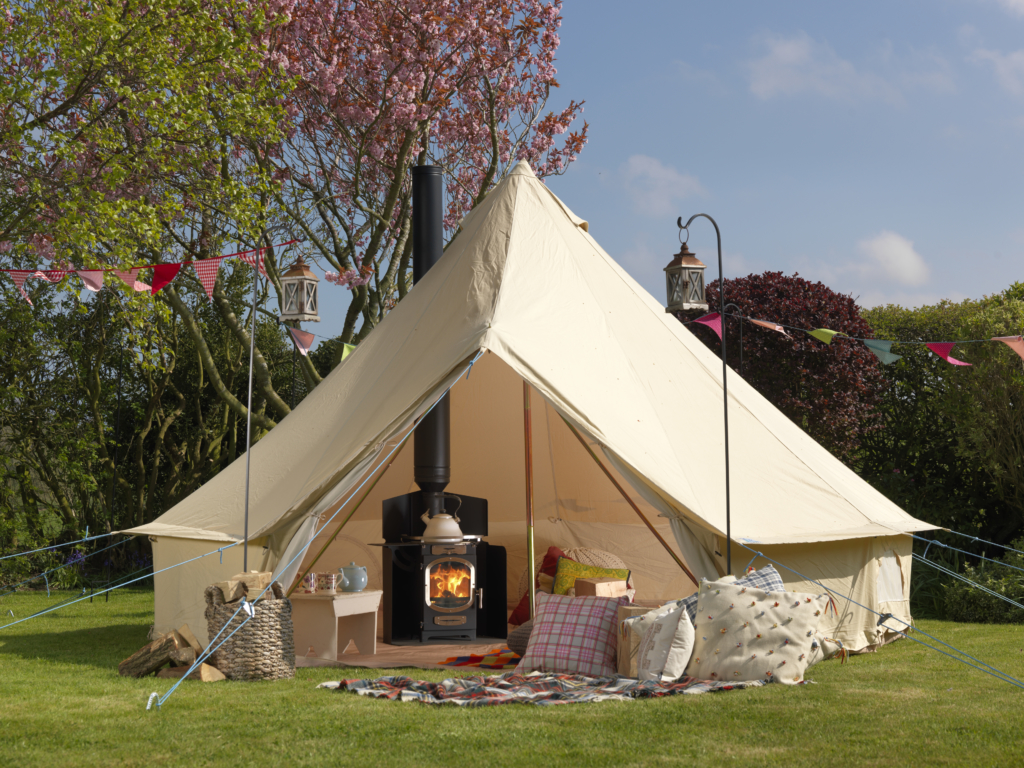
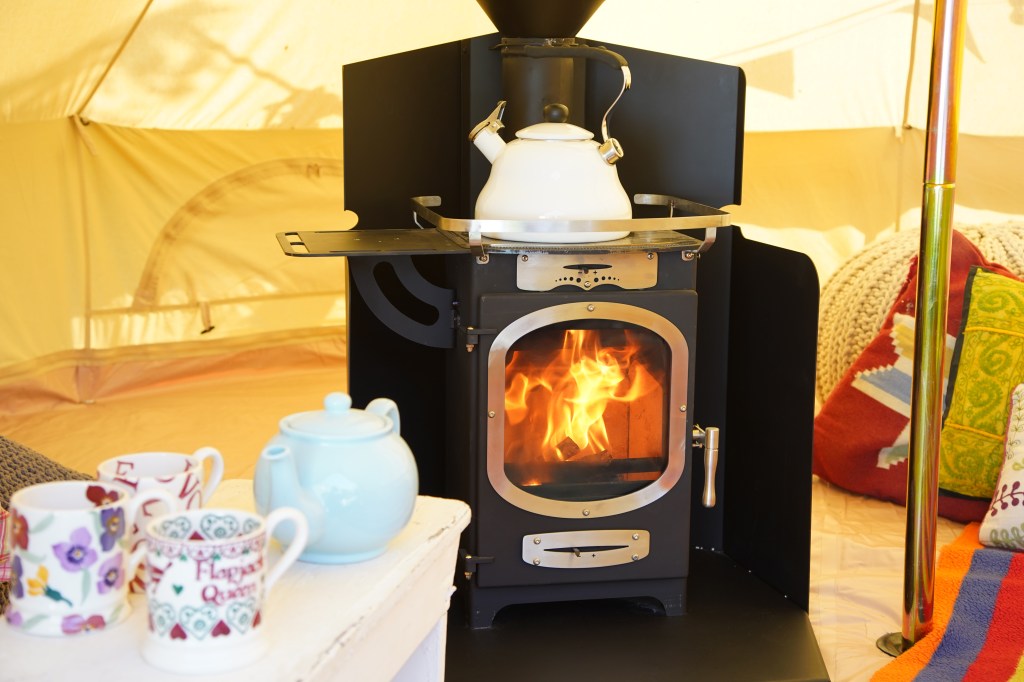
Let us introduce you to a new type of stove, the glamping stove. Ideal for small outbuildings, narrow boats, conservatories and even tents, pods and yurts; Glamping stoves are both portable and efficient. As we embark on a new era of flexible working and with more and more garden offices being built in outdoor spaces, these stoves are the perfect solution for isolated warmth when the whole house doesn’t require heating. The Go Eco Adventurer stove even has a top for a kettle or pot and can be upgraded to include an oven, warm cookies at the desk anyone??

Practical, incredible attention to detail and exceptional craftsmanship quality. Safe, stylish and built for purpose; This is what separates the new Go Eco Adventurer range from other glamping stoves currently on the market.

The Go Eco Adventurer is redefining quality and efficiency for anyone looking for a glamping stove that does it all. Perfect for yurts, narrow boats, shepherd’s huts or for those simply looking to enjoy their garden rooms and summerhouses all year round – the Adventurer is the perfect heating (and cooking!) companion.

This glamping stove really hits the mark as being the ultimate in warmth, character, ambience, practicality and versatility.  A fresh design by an experienced team, this highly specified little stove provides much more than meets the eye in both function and styling. DEFRA exempt for smokeless zones and already approved for use beyond 2022 Ecodesign regulations.

The Adventurer has a heat output of 4.5kW which is plenty enough to keep you warm in the winter or on those chillier evenings. This stove is designed to burn both wood and smokeless fuel and has an impressive efficiency rating of 86% which ensures you get the most heat out of the fuel you use. It’s large viewing window means you get an excellent view of the flames and the powerful airwash system will maintain a cleaner glass.

Standard features include a large-size cooking top, multi-fuel equipment, powerful air-washed glass window and durable stainless-steel fittings, trims and fixings. Versatile heat shielding packages ensure that every application is catered for whilst a host of optional accessories can further personalise the stove to meet individual needs.

The freestanding heatshield package is designed to provide a complete solution, including hearth, for stable installations into combustible surroundings. The steel sides may be safely sited, as close as 70mm at the sides and 75mm at the rear, to combustible wall materials. Independently safety tested to EN13240, the heatshield package is a tightly tailored solution for simple stove siting. When fitted with the heatshield package this versatile stove has countless options. Attached directly to the stove body itself this system lends itself to camping pods, tents, yurts, cabins and, in combination with the marine hearth the system, lends itself to narrowboats and other situations where space is at an absolute premium.

The Go Eco Adventurer has various optional accessories to cater to your every need. Specially designed and interchangeable these include:

Warming shelves. These are very popular and can be positioned on either side of the stove, providing a handy area to warm a kettle or pan. These can be fitted with either of the heatshield packages and all other accessories.
An insulated lift-off modular oven. This comes complete with temperature gauge, handles, two wire shelves and optional glass door. It’s large enough to fit up to a 22cm casserole dish or 27 x 22cm baking tins.
A solid stainless fiddle rail. The fiddle rail adds safety to your stove preventing your kettle or pan and kettle from falling off. Again, this is compatible with all other accessories.
Marine hearth unit. For narrowboats and very compact spaces, the BS8511 compliant marine hearth unit is available. If you wish to install this stove into a narrowboat or a very compact space, the marine hearth is an essential accessory.
Log store. The tailored log store may be fitted to the base of the stove for added height and convenience.

As you can see, there are plenty of options available to suit whatever glamping or canal boating needs you have. Enhance your small space with the Go Eco Adventurer. It’s simple, yet attractive design will compliment both modern and traditional interiors and it’s tall design means that it won’t take up too much room.

A final recap. The Go Eco Adventurer is a convenient, slim and practical glamping stove. Key features include:

• Attractive, characterful design enhances any living space.

• Extra-large air-washed flame-viewing window.

• Standard stainless-steel cooking top that accommodates pans up to 28-30cm.

• 86% efficiency, A+ for best in class performance.

• Stainless-steel handle, trims, ashpan and all fixings for durability and long service.

• Separate simple air control sliders for air wash and primary under-grate air.

• Multi-fuel equipped as standard.

• DEFRA exempt for smoke control areas as standard.

• SIA Ecodesign 2022 compliance for future-proof peace of mind.

• Optional oven accepts 22cm casserole or up to 27 x 22cm baking tins.

• Unrivalled heat shielding options for multiple installation configurations.

For more information about any of our wood-burning or multi-fuel stoves, please click here to visit our website. Our expert team look forward to helping you to choose the right wood-burner or multi-fuel stove for your living space.

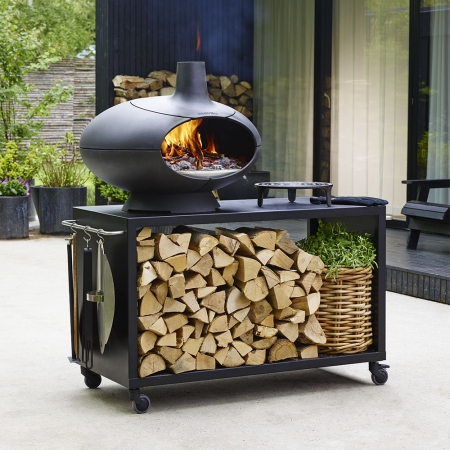
Spring Cleaning and Re-Lighting Your Morsø Forno

Whilst many Morsø Forno owners cook in their outdoor ovens all year round, most of us cover them up for the winter period, not wanting to face the bleak Scottish winter in pursuit of a perfect stone baked pizza!

As British Summer Time has now officially begun and spring is in the air, what should you do to ensure you Morsø Forno is up to tip top condition and ready to relight?

Get set to peel back those protective covers and prepare to fire up great food this summer.

Internal Cleaning

As you most likely know, Morsø Forno outdoor ovens are incredibly easy to keep clean. The high temperatures inside a wood-fired oven mean that the inside self-cleans. As for the oven floor, if you’ve used pizza stones before you’ll be familiar with the fact that they discolour with use. In fact, some people regard the darker surface like a bit of a badge of honour, showing how well used the stones are. Pizzas stones should never be cleaned with detergent, they are porous, will absorb the cleaning materials and taint the taste of your food.

For everyday cleaning, the cast-iron surfaces can be wiped with a damp cloth or washed with a mild solution of soft soap when the stove is cold. Preferably use demineralised water, as ordinary water can leave lime-scale.

Dealing with External Rust

The Morsø Forno oven is made from cast iron with a protective painted surface. Over time the surface can also become slightly oxidised and grey in colour, and if the painted surface is damaged (such as stones being flicked up by lawnmowers) small spots of surface rust can appear, these are easy to repair.

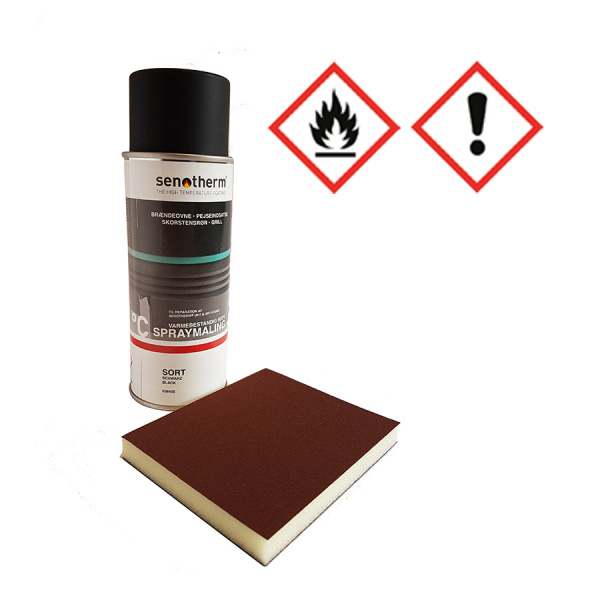
Every Morsø Forno oven comes with a revitalising and maintenance kit. The supplied abrasive sponge, or a fine sand paper/emery paper, can be used to gently remove the light surface oxidization. The Morsø spray paint for outdoor use (UHT 600), which is colour matched to the oven, can be used to recoat the area. Make sure the surface is totally clean and dry before applying a new, thin layer of spray paint.

Do not use stove blacking on Morsø Forno ovens. Stove blacking cannot stick to enamelled Morsø Forno’s; the surface becomes blotched and may flake when the stove is heated. The surface of painted stoves will also become discoloured and blotched if you use stove blacking. Stove blacking should only be used on old stoves that have been ground or sandblasted. Painted stoves must be painted with Morsø Senotherm paint, and enamelled stoves only need be washed with hot, distilled water and brown soap.

Polish and Shine

The glass door can be cleaned by using an approved glass cleaner. Alternatively, warm soapy water and newspaper can be used but only when the stove is cold.

Servicing

The stove needs to be cleaned and serviced fully at least once a year but naturally this depends on how much the stove is used. The baffle is removed from the stove and cleaned up – using a nozzle or an Ash Cleaner. An Ash Cleaner is also suitable for cleaning the rest of the stove. Note that the stove must be cold when cleaned.

Maintenance of Other Parts

After a long winter, it’s a good idea to refresh and treat all your other Morsø Outdoor products. To clean Morsø Garden and Terra tables wash the table well and wipe the surface with cooking oil. This extends its service life and looks attractive. The stainless-steel hangers on the side of the table can be freshened up using an abrasive sponge (grain 180). Again, rust spots can be polished off gently and, after washing, treated with cooking oil. Outdoor tools, for example, the ash scraper and fire tongs can be easily polished with an abrasive sponge (grain 180) and then treated with oil to look as good as new.

The beauty of these ovens is that they can be maintained so easily and by spending just a few minutes caring for them at the start of every season your Morsø Forno will keep looking as good as new.

Get Your Garden Set for Summer

Is your garden looking a little beaten and drab after the onslaught of the long Scottish winter? In this blog we look at getting your garden summer ready with 5 easy tips for a gorgeous outdoor space.

Once the sun starts shining we are all itching to drag out the garden furniture, soak up the rays and make the most of whatever space we have. However, it’s worth taking a moment or two to get your garden in shape for the summer months. By making sure your outdoor space looks attractive it becomes an extension of your indoor living space – another amazingly colourful room full of life for the whole family to enjoy. From walled courtyards to large grassy gardens, we’ve got some great ideas to help you get set for a summer of outdoor living.

  1. Whip Your Garden into Shape

Start by making the most of what you already have. You’ll be surprised how much basic garden maintenance will perk up your outdoor space and make it feel like somewhere you can relax in.

It’s time to channel your inner Titchmarsh …

Love Your Lawn

Just give it a mow! There’s nothing nicer than a freshly clipped lawn, it looks great and smells amazing. If it’s looking less than lush, sprinkle with seed and water regularly.

A neatly mown lawn is a joy to behold in a British summer garden, so make sure yours is in tip-top condition. Re-sow any poor patches, aerate it to encourage root growth and give it a good scratch with a wire rake to allow light and water to reach the soil. It’s also a good idea to remove the most common lawn weed, the white-flowering clover. Pull them out individually by ripping out the stems, as this will hopefully avoid the plants getting established. Remember to not mow less than 1cm height off your grass – cutting it too short will give you a far less healthy-looking lawn.

Patio/Decking

Remove any moss or weeds from between paving flags and give decking some much-deserved love by sanding and re-treating with a stain or protector. If you have a jet washer, giving any paving a quick blast will transform it from tired slabs to almost new!

Banish Those Weeds

Weed out all the undesirables from borders and pots, and turn over the soil for a fresh, maintained look. Recruiting extra hands can make a big job smaller, and more fun! Get family and friends round to help, you’ll be surprised how quickly it comes together.

Keeping weeds at bay can seem like the never-ending task. If you are given or buy any plants always check them over before you introduce them to your garden. In the lead up to summer, you want your garden looking it’s the best right from the pathways and walkways to the lawn and borders. If you do find you’re losing the battle and have missed the moment to tackle weeds as you find them, you may wish to call in the cavalry with a specifically designed weed control product.

2. Paint And Treat The Fence

During the winter months, there is likely to be detrimental conditions for your garden fence. Before summer comes it is a great idea to give your fence a revitalised look of colour and health. Use a treatment such as Creosote to give it the extra protection it needs from those hot sunny days.

3. Clear Out the Shed

Over a long winter, you tend to stockpile a lot of odd bits which usually results in a chaotic mess that is in desperate need of order. If you love your garden shed then this should be a priority. We usually find the best method of doing this is to follow these simple steps:

Remove everything from your shed.

Sort all items into groups of ‘keep’ and ‘don’t keep’.

Throw or give away everything in the ‘don’t keep’ group.

Think about what you have left in comparison to the size you shed, and be ruthless about what to keep if you still have too much.

Clean the inside of the empty shed.

Place the remaining items back in the shed in a sensible organised order.

4. Clean the Summer Essentials

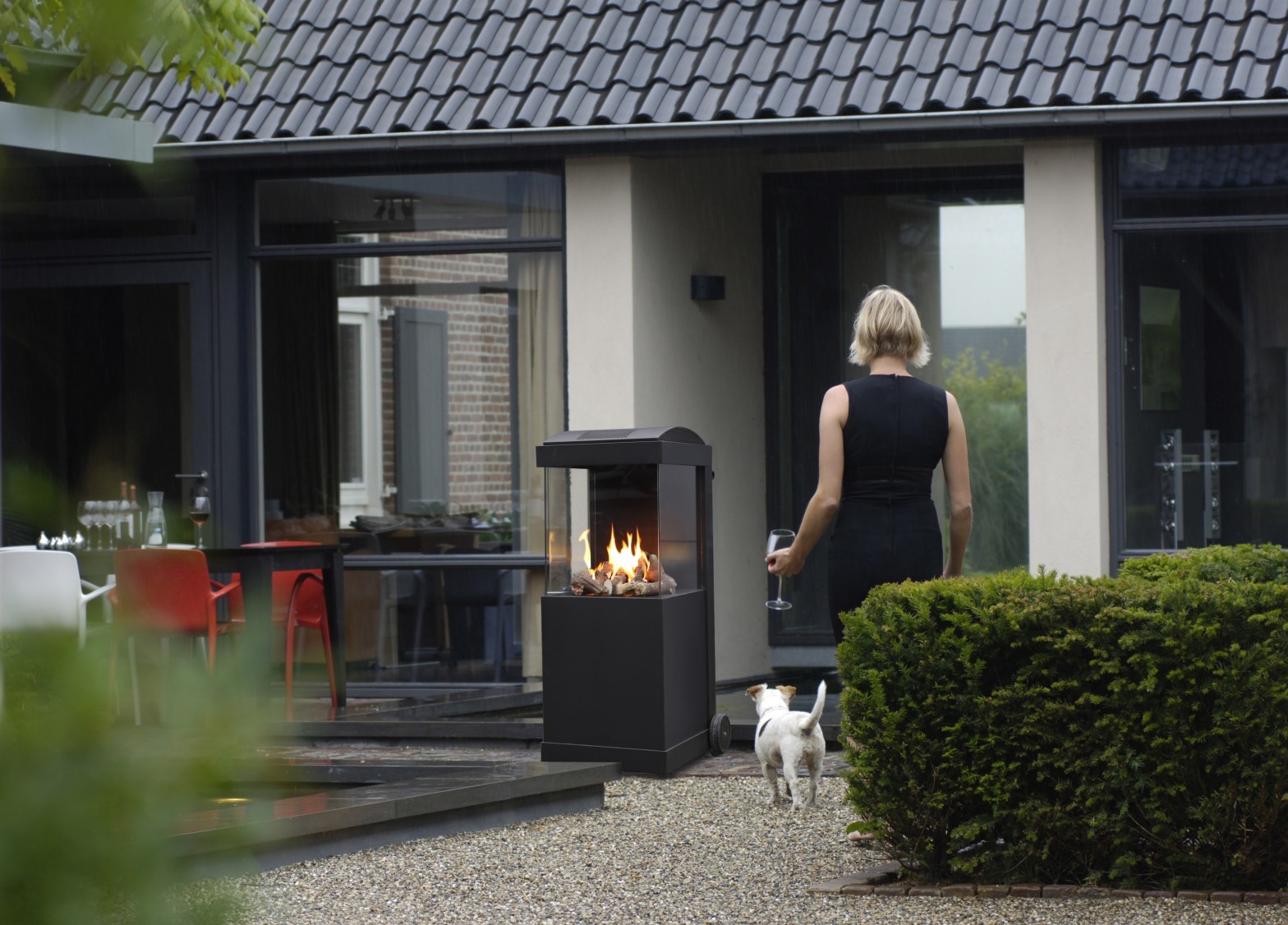
Don’t just drag your barbecue out, show it some TLC first!  Depending on the type of barbecue or outdoor fire you have in your garden, it can vary in difficulty to clean and will certainly vary in how much it is affected by harsh winter conditions. If you have a masonry barbecue or fire pit you will have very little to do, however, you may have to remove any rust that has built up on the grill in wet conditions. If you have stored your barbecue away for the winter in might just be a case of a spring clean and dusting down before inviting the family and friends over for a feast.

If you have outdoor sofas and other furniture items then you will have to make sure they are pristine for all your summertime fun. It is recommended to take your cushions off any outdoor seating during winter, but if you forgot this year there are great ways to clean them with little hassle. Most covers should be made of a water-resistant material so a sponge down with warm soapy water and good air will have them ready to go.

5. Prepare to Entertain

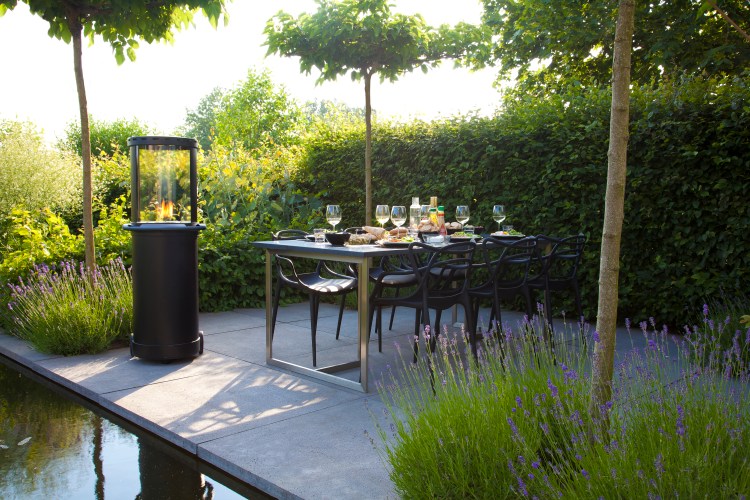
Set the mood and ensure your BBQs and alfresco dinners extend well past dusk with simple outdoor lighting. Solar lights not only illuminate the surroundings but also add a little extra character, and allow you to enjoy your garden 24/7. Flickering tea lights in jam jars are another lovely way to inject instant charm, great for lighting before a BBQ or when the sun starts to go down.

Don’t forget the gazebo! You live in the UK and no matter what the weather forecast says, always prepare for drizzle. A pop-up gazebo is a perfect protection in case of a sudden downpour, store in the shed for quick retrieval in the event of precipitation.

Eating in the garden, garden parties and BBQs are all achievable with a summer-ready garden so get stuck into those spring gardening jobs and extend your living space.

For more information on the outdoor fireplaces, pizza ovens and other products Living Fires supplies click here.

5 Poems About Fire

In celebration of World Poetry Day, dedicated to promote reading, writing, publishing and teaching poetry throughout the world, we would like to share 5 wonderful poems about fires. These poems capture the essence and many forms of fire, from the idea of the fire as a catalyst for memories and imagination to the ever-changing nature of flames never settling but flickering and flashing before disappearing again.

We recommend enjoying these poems beside you fire with a nice warm brew.

Autumn Fires (From Child’s Garden of Verses)

by Robert Louis Stevenson

In the other gardens
And all up in the vale,
From the autumn bonfires
See the smoke trail!

Pleasant summer over,
And all the summer flowers,
The red fire blazes,
The grey smoke towers.

Sing a song of seasons!
Something bright in all!
Flowers in the summer,
Fires in the fall!

Fire on Your Finger

By Tony Jolley

Fire on your finger,
Fire in your eye,
Fire in your spirit,
Fire that won’t die.

Fire in the bare bones of being,
Fire to uphold what’s right,
Fire in the heart of darkness,
Fire to fuel Love’s light.

Fire to burn but not consume,
Fire to learn and not assume,
Fire to live and give living room,
Fire to love and sing her tune.

The Fireside

by G.F. Bradby

In the ember’s drowsy glow
Fiery figures come and go,
Quiver into crimson light,
Now a goblin, now a knight,
While the winter wind makes moan
And the clock ticks on and on.
Snatches of mysterious rhymes,
(Fairy lore of nursery times)
Long imprisoned in the brain,
Leap to life and sing again;
Dreams forgotten with the waking,
Thoughts that vanished in the making,
Fancies, memories and moods,
Crowded hours and solitudes,
Ancient fears and old distresses,
Childhood’s wanderings and guesses –
Everything that one remembers
Makes a picture in the embers,
Grows to clearness, flickers, flashes
Burns a moment, then is ashes.

Upon The Hearth The Fire is Red

by J.R.R. Tolkien

Upon the hearth the fire is red,
Beneath the roof there is a bed;
But not yet weary are our feet,
Still round the corner we may meet
A sudden tree or standing stone
That none have seen but we alone.

Tree and flower and leaf and grass,
Let them pass! Let them pass!
Hill and water under sky,
Pass them by! Pass them by!

Still round the corner there may wait
A new road or a secret gate,
And though we pass them by today,
Tomorrow we may come this way
And take the hidden paths that run
Towards the Moon or to the Sun.

Apple, thorn, and nut and sloe,
Let them go! Let them go!
Sand and stone and pool and dell,
Fare you well! Fare you well!

Home is behind, the world ahead,
And there are many paths to tread
Through shadows to the edge of night,
Until the stars are all alight.
The world behind and home ahead,
We’ll wander back to home and bed.

Mist and twilight, cloud and shade,
Away shall fade! Away shall fade!
Fire and lamp, and meat and bread,
And then to bed! And then to bed!

The Firewood Poem

by Lady Celia Congreve

Beechwood fires are bright and clear
If the logs are kept a year,
Chestnut’s only good they say,
If for logs ’tis laid away.
Make a fire of Elder tree,
Death within your house will be;
But ash new or ash old,
Is fit for a queen with crown of gold

Birch and fir logs burn too fast
Blaze up bright and do not last,
it is by the Irish said
Hawthorn bakes the sweetest bread.
Elm wood burns like churchyard mould,
E’en the very flames are cold
But ash green or ash brown
Is fit for a queen with golden crown

Poplar gives a bitter smoke,
Fills your eyes and makes you choke,
Apple wood will scent your room
Pear wood smells like flowers in bloom
Oaken logs, if dry and old
keep away the winter’s cold
But ash wet or ash dry
a king shall warm his slippers by.

Mother’s Day Mantel Décor Ideas

Mother’s Day is fast approaching (SUNDAY 10th March this year) and here at Living Fires, we want to salute the mothers of the world this month.

Since we like to celebrate every holiday by redecorating our mantelpiece, this month our thoughts are with everyone who mothers and making the mantel a celebration about them. Mother’s Day is such a fun day to decorate for because anything you do is just a bonus!  You can pull out all the stops or simply add a few hearts here and there, however understated or over the top you go we know it will be appreciated. It’s a simple way to show Mum how much you adore them… who doesn’t love that?

While we’re sure you’ve already planned a special day to leave her grinning, if you want to take your display of appreciation to the next level, setting the scene with some fun decor is a must. From floral touches to wall decor she’ll be able to enjoy even if the closest you get this year is a video call, we’ve got everything you need to make the day extra special.

There are as many kinds of mothers in the world as there are people. When you’re planning for a Mother’s Day mantel, it’s important to look at individual tastes. Chances are you’re focusing on one mother in particular so you want to make sure the decor is to her liking.

If you’re decorating a mantel for your mother, think about things your mum likes. If you are the mother, and you’re decorating the family mantel, well, this is a good month to think about what you like and decorate accordingly. Hey, it’s your month!

VINTAGE

Vintage decorations always look attractive, especially in older homes. Arrange display plates, tea cups, books and some of your favorite knick-knacks on the mantel. Arrange flowers in old glass pitchers, vases or bottles, and finish with some old-timey black and white portraits of women in your family.

MUMS AND KIDS

This one is fun for kids of any age. Use Mum’s favorite colors to dress up the mantel. Find photos of all the kids at different ages and even include one of mum and dad too. Finish it off with Mum’s favorite quote on a chalkboard and it’s sure to be a surprise she’ll cherish. Bonus points if you can get the kids to write the chalkboard!

FLOWERS

Flowers are the perfect accessories for your mantel decor. Create little bunches of flowers, budding twigs and leaves from what is growing and fresh in your garden. Arrange in matching vases, or re-used milk bottles tied with ribbon, and space evenly along the mantel. A soft pink and blush mantel is ideal for Mother’s Day and you don’t need a whole lot of flowers to have a stunning impact.

GET MUM A NEW MANTEL FOR MOTHER’S DAY!

Don’t feel like your current mantel is fit for a Queen (aka Mum)? Why not surprise her with a new mantel that’s as beautiful as she is? With a great selection of designs to choose from, you’re sure to find the perfect mantel at Living Fires. We can even customise a design just for her!

However, you decide to celebrate the mothers in your life, the important thing is to recognise their contributions and make them feel special. So, take a moment to reflect on what makes her happy, then decorate accordingly. And if you want to go all out, call us about setting her up with a gorgeous new mantel!

10+ Uses for Wood Ash You Probably Didn’t Know

Living more sustainably and finding additional uses for products we would have once considered trash is now part of many daily lives. If you’re heating with wood, there’s always plenty of wood ash to go around.  While you may be hard-pressed to think of uses for wood ash in a modern daily life, historically it was used in many different creative ways.  Wood ash was a precious asset, used for food preservation, gardening, pottery, pest control, and even cosmetics.

Long before baking soda was discovered, wood ash was being used in baking.  Our ancestors wouldn’t have invented soap without wood ash and mascara.

While some of these uses are merely a historical curiosity, many are still incredibly useful in our modern world.  Looking for free garden fertilizer?  Natural pest control?  An odor remover?  Wood ash can do that! Don’t throw away the wood ash from your fireplace—read on to discover over 10 daily uses for wood ash in your home and garden that you probably didn’t know!

  1. GARDEN FERTILIZER

Wood ash contains all the trace minerals from inside a trees wood, which are the building blocks needed for plant health.  While it doesn’t contain carbon or nitrogen, those are in ready supply from compost.  The University of Vermont recommends about 5 gallons of wood ash per 1,000 square feet of garden.  Since wood ash will raise the pH of soils, it’s not good for acid-loving crops like blueberries or potatoes.

2. BOOST COMPOST

A small amount of wood ash can help give compost piles a boost. Compost is naturally acidic so wood ash is a great addition, plus it adds calcium. Lightly sprinkle a layer of ash as you build up green and brown layers. Be careful to just sprinkle it though – too much will ruin it.

3. FEED YOUR TOMATOES

Tomatoes love calcium. US organic gardening author and grower Mike McGrath places a quarter of a cup in the hole before he plants a tomato.

4. PREVENT FROST DAMAGE

When the temperatures start to dip in early autumn, nothing can strike fear in a gardener quicker than the threat of a frost. Well fear not, simply dust your plants with some powdery wood ash to prevent frost damage.

5. PEST CONTROL

Wood ashes can be used to deter pests like slugs and snails, and even to repel ants. Sprinkle a small amount or ring around susceptible plants and reapply after the rain washes the ash away.

6. FIGHT POND ALGAE

One tablespoon of wood ash for every 4000 litres of water in a pond full of algae can help aquatic plants compete with it.

7. CLEANING

Looking for a cost-free cleaner for glass and metal? Is the glass front on your fireplace sooty? Dip a damp cloth into the ashes, then wipe the glass to get off stubborn soot.

Wood ashes, mixed with a bit of water to form a paste, can be used as a mild abrasive to buff up tarnished metals such as cutlery, clean dirty glass, and even remove adhesives and sticky residue. Apply the paste with a cotton cloth while wearing gloves to protect your skin. Try in a small spot at first to test the results.

Before you pop the cloth with the ash on it in the washing machine, use it to clean up tarnished silver jewelry as well. For necklaces, pinch the chain lightly with the ash-coated flannel piece between your fingers, and then pull the chain through your fingers. A few passes will restore that beautiful white, gleam to your jewelry. Rub and polish other pieces with the cloth adding more ashes as needed. For larger or more complex pieces, use the paste method as mentioned above.

Be sure to wash and dry all items after you polish it.

8. HOMEMADE SOAP

Wood ash was traditionally used to make lye (a necessary component of soap) by combining it with boiled water, then mixed with animal fat and boiled to make soap. Ashes from burned hardwoods (such as ash, hickory, or beech) are used for this purpose since they contain enough potassium to produce lye.

Careful production can yield homemade soap from what you’d otherwise throw away, though with a bit more effort than it takes to buy a bottle or bar. (If going the homemade route, follow instructions from a reputable source and make sure to wear protective gear to avoid burns.)

9. GRIT

Like gravel on snow-covered streets, wood ash can be applied to provide traction underfoot. Wood ash contains potash – potassium salts which can be used to de-ice pathways in cold weather, although watch the run-off, you don’t want to tread this through the house! You can even keep some in a closed metal container in your car to use in an emergency to get out of a slippery spot

10. SOAK UP DRIVEWAY SPILLS

Changing the oil on your car? Or just spilled something that might stain? Use wood ash to absorb the spill. Most driveways are dark coloured, hard surfaces which will mask the ash’s colour, and the ash’s absorbing properties should allow you to sweep up the spill afterwards.

11. ABSORB ODOURS

Wood ash is alkaline, just like baking soda, which means it will absorb moisture and odours from the air. Put a small bowl of it in your fridge or in a musty room, and it will absorb the odors, making things fresh again.

The History of Fire

Fireside tales are an integral part of our history, a place where knowledge was passed on and dreams were conjured. Stories have been shared around fires for centuries from myths and fairy tales to fables and facts. So kick back and get cosy at your fireside today as you learn about the wonders that started with a spark.

The exact timing of the discovery and use of fire by humans has been a subject of continuing research and, as yet, is undecided. What we do know it there is scientific evidence that it happened somewhere between 1.7 and 2.0 million years ago. Fire is one of the most important forces on Earth. The use of fire by humans has long been considered as a defining property of intelligence, separating us from other animals.

Fire control changed the course of human evolution, allowing our ancestors to stay warm, cook food, ward off predators and venture into harsh climates. It also had important social and behavioral implications, encouraging groups of people to gather together and stay up late. Here we look at the history of fire and how over the millennia human kind has learnt to harness the power of this element.

Fire in used in many ways, from powering fireworks to heating homes. We use it for heat, light and power. Three main components are needed for fire. First, there must be a fuel to burn. Second, oxygen must be available — after all, combustion is essentially an oxidation process that gives off heat and light. And third, there must be a heat or ignition source that allows the fire to begin. The main sources of ignition before humans appeared were lightning strikes.

  1. Controlling Fire

When humans first learned how to control fire, it was an important step in their culture. It allowed humans to cook food and get warmth and protection. Making fire also allowed activity into the dark, gave some protection frightening off predatory animals and the smoke would have been effective in keeping insects away. The cooking of food was probably the most useful effect of fire. There are foods like fruits which do not need cooking, but others, such as meat and root vegetables, mostly need cooking.

The first stage of human interaction with fire, perhaps as early as 1.5 million years ago in Africa, is likely to have been opportunistic. Fires may have simply been conserved by adding fuel, such as dung that is slow burning to one which started naturally. This ability to “stretch” fire was a novel feat, only developed by humans.

The earliest certain evidence of human control of fire was found at Swartkrans, South Africa. Many burnt bones were found among Acheulean tools, bone tools, and bones with cut marks that were made by hominids. This site also shows some of the earliest evidence of humans eating meat. Clear evidence of habitual use of fire, though, comes from caves in Israel dating back between 400,000 and 300,000 years ago, and include the repeated use of a single hearth in Qesem Cave, and indications of roasting meat.

An important change in the behavior of humans happened because of their control of fire and the light that came from the fire. Activity was no longer restricted to the daylight hours. Fire also led to better nutrition though cooked proteins. Richard Wrangham of Harvard University argues that cooking of plant foods may have caused the brain to get bigger, because it made complex carbohydrates in starchy foods easier to digest. This made humans absorb more calories.

  • Starting Fire

The next stage was to gain the ability to start a fire. This would have enabled more regular and managed use, allowing the development of cooking, expanding our diet. According to British primatologist Richard Wrangham, cooking may have played a role in the expansion of our brains. The hearth would have probably formed a social focus, helping the development of language.

The use of flints to start fire may have occurred as far back as 400,000 years ago, but concrete evidence only comes from as recently as 40,000 years ago. As the American archeologist Andrew Sorensen and his colleagues have put it, “we archaeologists have yet to ascertain, even in coarse chronological terms — when in our early prehistory fire became part of the human tool kit.”

  • Controlling Fire

The third stage, in which humans began to use and control fire on a regular and widespread basis, may have started only 7,000 years ago. This includes the use of fire for land clearance for agriculture and even for warfare. But even when humans were controlling fire to the extent that it could be used to modify agriculture, we should not lose sight of the fact that wildfire is predominantly controlled by climate.

Today we humans appear to be confident of our ability to control fire. But we should not become overconfident. The spread of non-native grasses such as Gamba grass in Australia and Cheat grass in North America, together with a warming climate, are having a severe impact on the nature, scale and frequency of wildfires. It would be well for us to take on board the fact that fire has been part of Earth’s story for the past 420 million years, and will continue to be so long after we are all gone.