Heating Your Shed or Summer House

Among the questions we are asked most frequently is ‘how best to heat a garden room’

The answer depends on its size, how you will use it, the power sources you have and your budget. Before you decide on the form of heating you need, it’s important to also take a moment to evaluate the building you’re planning to heat, including its level of insulation. Once you’ve assessed these elements, you can decide how much you need to spend and how complex a task it needs to be to suit your requirements. It’s certainly an important choice, because in our climate, you need to ensure that for whatever purpose you use your shed or summer house, it’s going to be welcoming and comfortable all year round.

Summerhouses have without a doubt gained popularity this year with more of us spending time at home and needing extra space. Garden buildings serve a wide variety of uses such as studios for writing, painting or crafting, an office, gym, gardening hub, a permanently inhabited extension of the living space, storage space, workshop or simply a place for fun, relaxation and enjoying leisure time in the garden.

Coming in many shapes from rectangular to octagonal with a terrace or without and with a broad variety of roof shapes, garden summerhouses often provide a picturesque focal point tucked away at the end of your lawn and give your garden this perfect country look, that you enjoy with every view out the window.

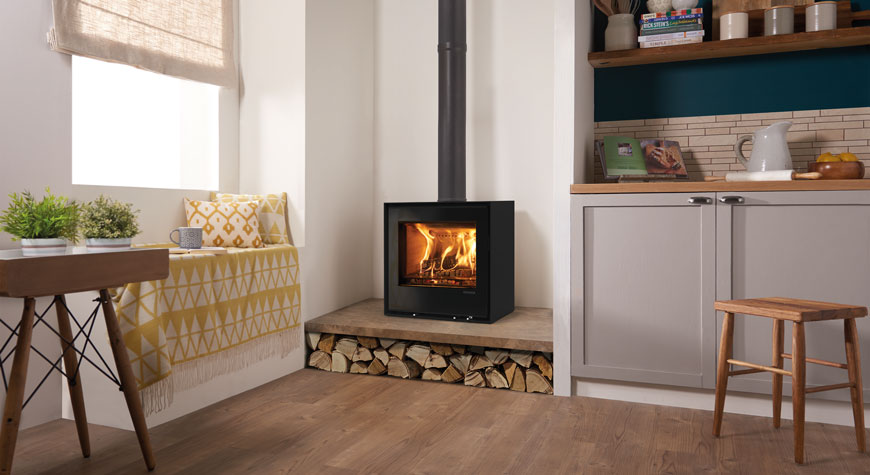
However, with the evolution of usages comes the need to make this space functional throughout the seasons. To help you decide how best to heat your space we’ve put together some of the options available for this below.

WOOD BURNERS

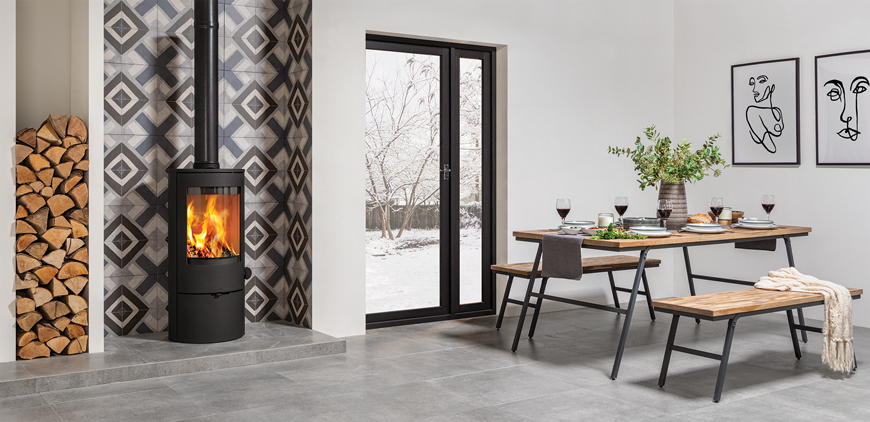
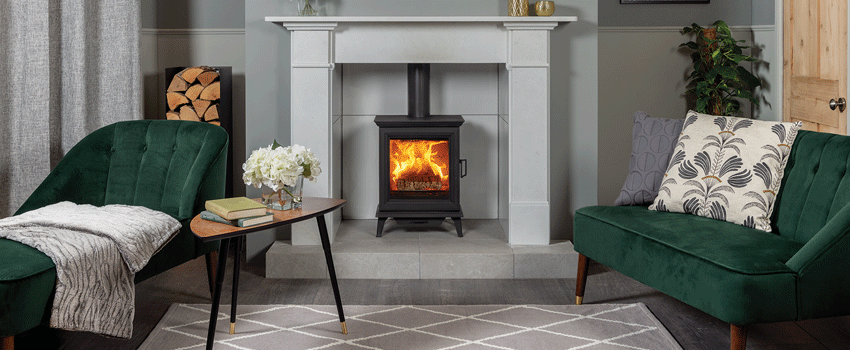
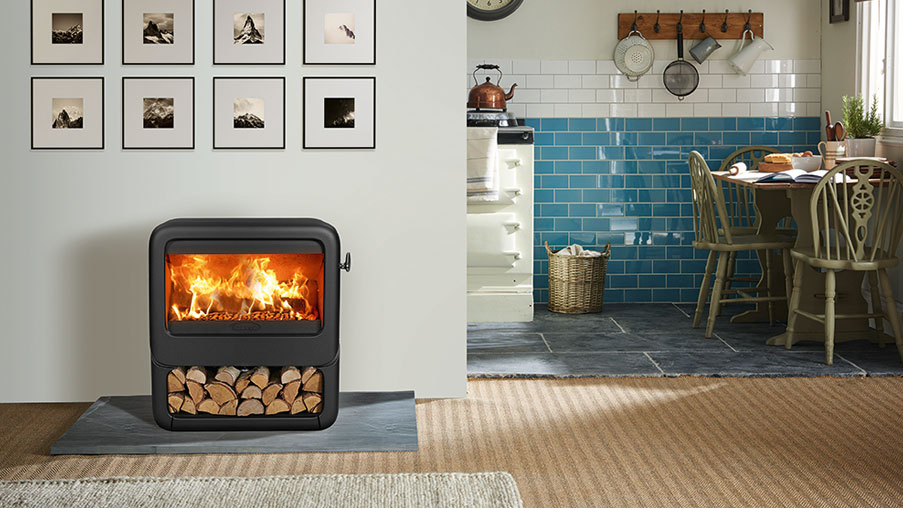
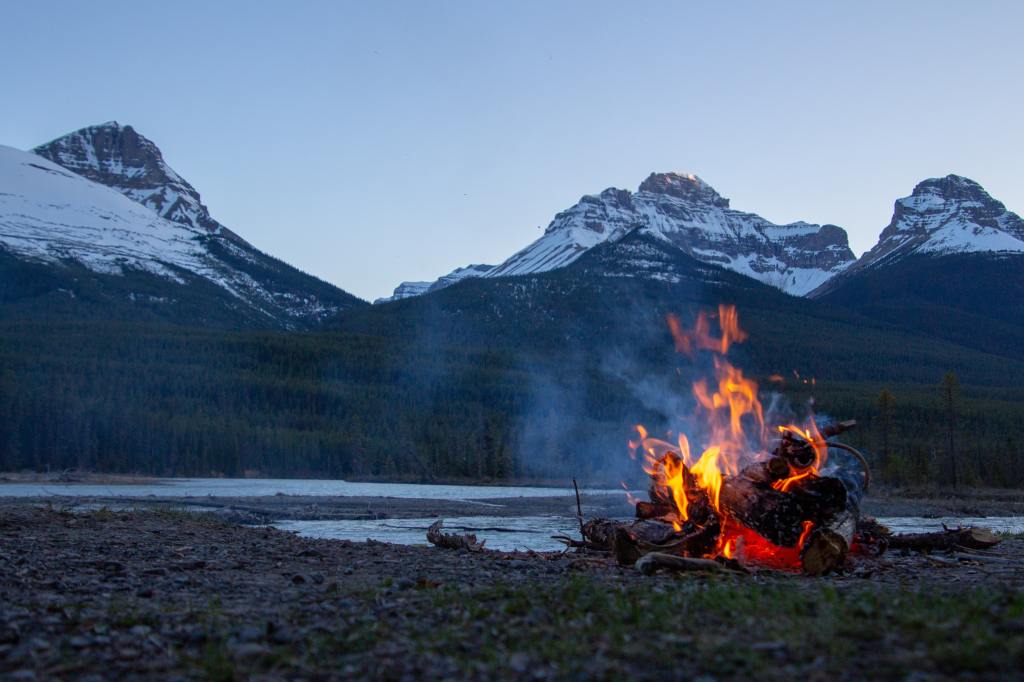
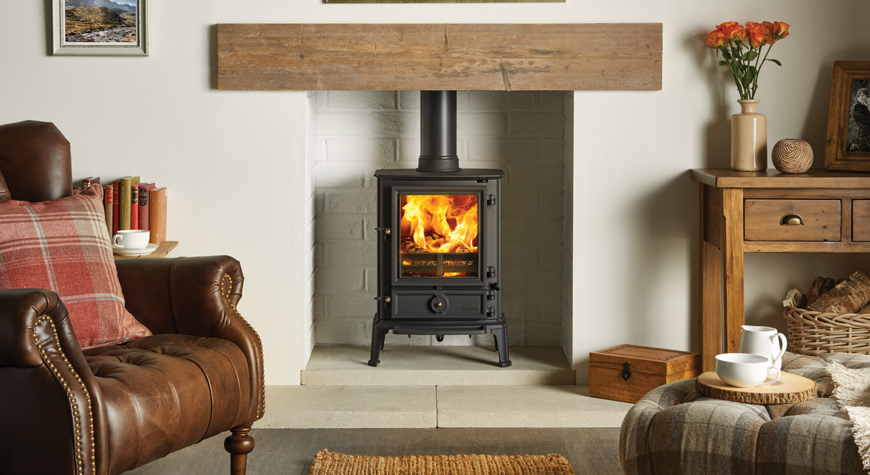
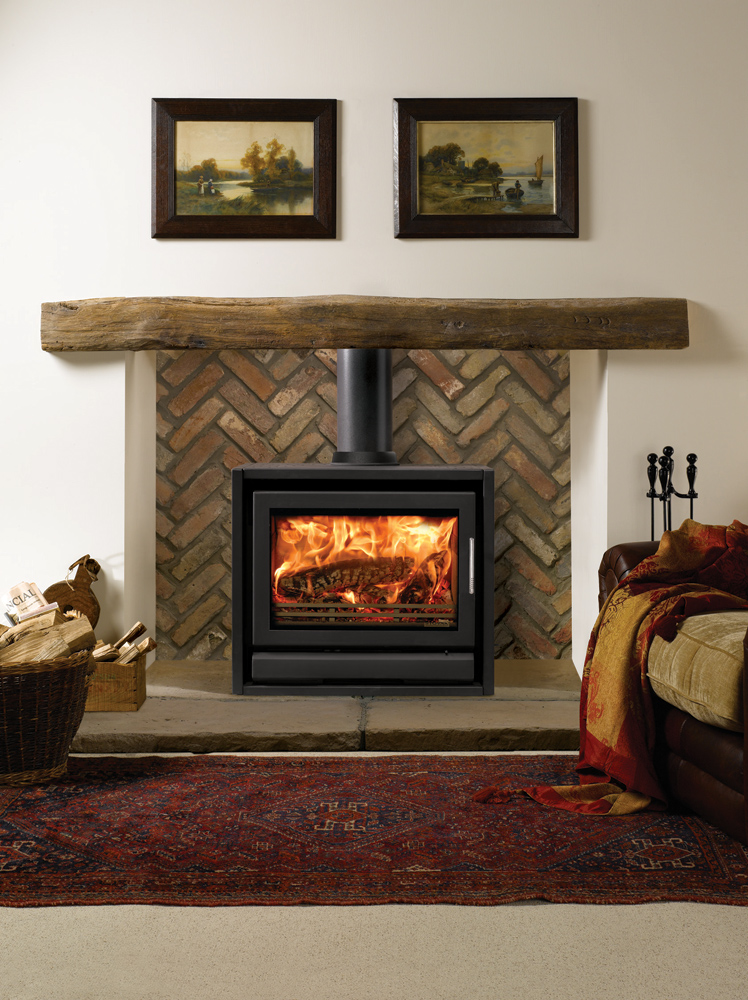
Style-wise there’s no contest: wood burners look fantastic in a timber cabin. Be it a small pot-belly stove or a stove with a glass door through which you can watch the flames, burning wood creates a great ambiance, smell, and atmosphere in any summerhouse. Whether you select a traditional or contemporary stove, they certainly perform well, maybe even too well! If you decide on a wood burning stove, be aware that a summerhouse is a confined space. A stove with a capacity of around 2 kW is probably enough for a medium spaced summerhouse. 

Wood burners warm quickly, retain heat and are carbon-neutral if you can use a sustainable local fuel source. 

As with all fires however, there are safety aspects to be considered, particularly in a wooden construction:

  • Check if you live in a smoke control area. In this case, you will need an approved ‘clean burn’ stove.
  • Be aware of the height of your flue, the main wind direction, and your neighbour’s houses. They cannot be expected to breathe in the smoke from your burner all the time.
  • It is advisable to install a carbon monoxide alarm
  • The stove should be HETAS registered and please remember they must be professionally installed by a HETAS engineer to ensure your safety.

ELECTRIC FIRES

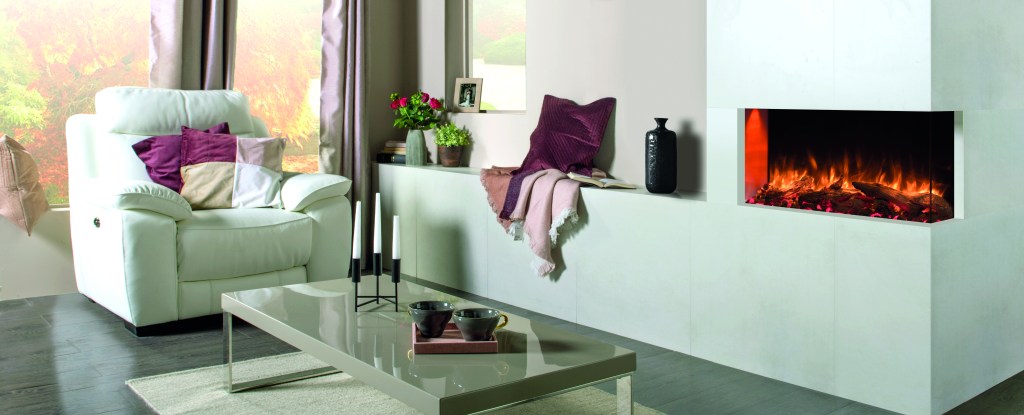
Installing and electric fire is a very popular option for summerhouses because it does not require any changes in the building itself. There is no smoke, no need for oxygen or burning material supply, no additional safety precautions you just need an electrical socket. Additionally, for workshops with lots of saw dust and alike, it might be an advantage that they have no exposed flammable heating elements.

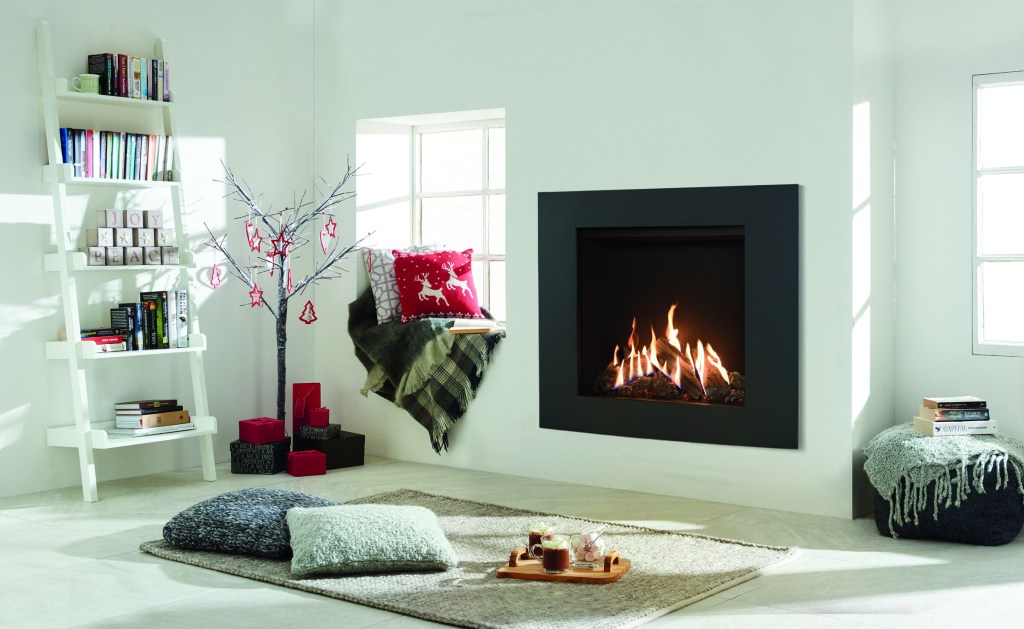
Electric fireplaces combine the ease and safe handling of heating with the added bonus of resembling a real fireplace. This helps transform the space into a home away from home and an attractive room to spend time in during the colder months. 

GAS FIRES

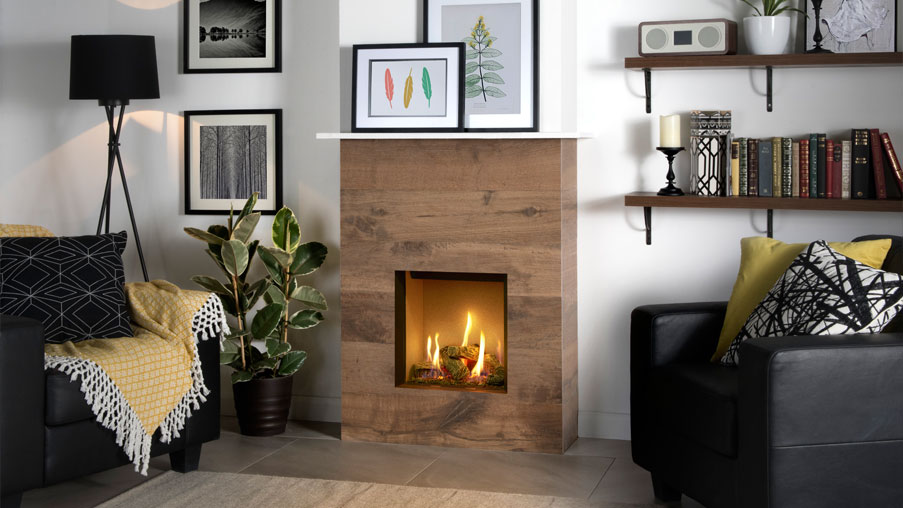
A gas fire could be a good option for your summerhouse if your main property runs on gas or a bottled gas fire could be a good idea for a summerhouse with no electricity. Do take in to consideration the bulk and look of a gas bottle when contemplating the latter option.

With no flue, you will not only need some degree of ventilation to ensure oxygen supply, but also because these burners can cause a build-up of water vapour as a result of the burning process. Take this into account when planning your installation.

As with an electric fire, a gas fire can create a great focal point and come in many designs with the ability to be used as an aesthetic accessory and a heater.

Making Your Fireplace Spook-Tacular

‘Double, Double, toil and trouble;

Fire burn and cauldron bubble.’

William Shakespeare, Macbeth

Guys and ghouls, tis the season to go a bit batty and turn your home into the haunted house of dreams! Halloween doesn’t need to be all about thrills and chills, in fact there’s plenty of ways to create a boo-tiful autumnal vibe without scaring the socks off all the family. We love Autumn décor and whether you’re looking for some creative activities to do with the kids in the October holidays or ideas for a mini fall themed makeover, we’ve popped together our favourite ways to deck out a mantle for the season.

Grab a pumpkin spiced cuppa, get cosy and be prepared for some fang-tastic inspiration.

<< Warning – this blog contains many terrifying puns, side effects may include moaning, groaning and serious levels of eye rolling. >> 

The Rural Haunted House Look.

Dreaming of a fa-boo-lous, easy to achieve, mantel idea? This rustic look creeps it real and can be created in any home for next to nothing. 

Combine natural elements like pinecones, sheaves of wheat (or dried grasses) and oak leaves with metallic pumpkins for a French country aesthetic.  Add some faux webbing and leggy spiders for extra effect and avoid dusting for at least a month if you can, it all adds to the atmosphere!

The Frightfully Bright Look

If cheery and colourful is your thing, then this look is the one for you. Spend a weekend crafting homemade autumn decorations for your home and making fang-tastic memories.

An easy seasonal DIY project is to simply trace some leaves and cut them out of brilliant autumnal hues. Stick them on dried branches or string together, and place along the fireplace and on the mantle wall. The key with fall decor is bringing the beautiful rich colours of nature inside.

Keeping the focus on the natural elements of autumn like colourful leaves and squash, this versatile look is suitable for not just Halloween but all the way until Christmas! Why not add to the DIY décor and  paint some pumpkins in bright colours or use one as a vase for seasonal foliage? 

We adore this pumpkin garland, simple to make and fun for all the family.

Find instructions on how to make it here.

Add a soft bright throw, cushions and cozy blankets to complete the look.

The Film Noir Look

Witchful thinking if you think this look doesn’t take a little effort, but it’s toadally worth it!

For a sophisticated and subtle Halloween vibe, adorn old portraits and silhouettes with detailed cutouts of flapping bats for a spooky look above your mantel. Place white painted pumpkins, with silhouettes on the front, either side of your hearth to compliment this sharp white and black contrasted look. Add piles of books on the mantel and beneath the pumpkins (be sure to place pumpkins on a saucer to avoid any unwanted damage), face the book spines backwards to match the elegant colour scheme.

Details and texture are key to achieve this luxurious look. An ornately framed mirror hung above the mantel and boo-tiful chandelier candle holders with tapered candles can also work wonders.

Oh My Goard!

Give ‘em pumpkin to talk about! Pumpkin overdose? There’s no such thing! 

If you have a non-functioning fireplace, or large hearth area, fill it with the symbol of the season for a fast, easy, but totally charming Halloween look. Include a simple garland, one made from tassels in Autumnal colours looks brilliant, a few mini pumpkins on the mantel and you’re almost set. Top the pumpkins with a creepy crawly or two and life is gourd! 

Pimp it with Potions

Clean out those old jars and grab the sticky labels, making your mantel look like a shelf from Professor Snape’s supply cupboard is easier than you think and the kids will love it!

Gather a selection of mismatched jars and bottles (washed and label free, clear ones work best). Fill the jars with a selection of shells, feathers, conkers, berries, twigs, balled up dried grasses and other nature walk treasures. Fill the bottles with different coloured liquids (food colouring or even diluting juice work well) remember to seal well. Decorate the sticky labels with made up potion and ingredient names; eye of newt, toe of frog, wool of bat, anything goes! Arrange in a mismatched jumble on your mantel and hey presto you’re in Hogwarts!

Complete the look by hanging old keys with tracing paper wings from the ceiling (fishing wire works a treat) and place a black board ‘Happy Halloween’ sign over the mantel.

However you choose to decorate, have a wicked time!

Including a Stove or Fire in Kitchen Renovations

A new stove or fire ignites life into any room, but we’re often asked if they’re a suitable addition to a kitchen.

The kitchen is the heart of most homes, installing a stove or fire here represents a logical decision. Families and friends often congregate in the kitchen to socialise and relax; welcoming people to the comfort of a warm fire whilst awaiting a home cooked meal.

If you’re thinking about investing in a fire for your kitchen, whether wood burning, gas, electric or multi-fuel, working out where you can install it is the first consideration you need to make. Within this, there are a few key elements to think about. Here, we’ll break them down to give you all the information you need to decide if a fire in your kitchen will work for you.

INSTALLATION

Should your kitchen have an existing fireplace, as is the case with many period properties and traditional homes, it’s a characterful feature to restore it to its former glory to surround a new stove or fire. Combining a classically-styled original fireplace with the modern appeal of a contemporary wood-burning or multi-fuel stove will instantly instill your kitchen with a traditional cottage feel, as well as adding warmth and comfort to your space.

However, if your kitchen is a modern extension with no existing flue system, there are other installation requirements to think of but fear not, a kitchen fireplace is still in sight. You can install a twin flue pipe that either rises up through the kitchen or through an external wall. How easy and, importantly, desirable this will be entirely depends on the structure of your home, so we would always recommend discussing with an expert first.

If you intend to install a fire or stove purely for heat and aesthetic properties then an electric option can overcome many of these hurdles.

FUEL TYPE

If you’re looking to cook on your fire you maybe looking at installing a wood-burning stove. There are some additional installation features to be considered with this option.

Your kitchen is likely to have an extractor fan. Extractor fans create negative pressure, which can cause problems for a solid fuel stoves or conventional flue gas appliance as these need positive chimney pressure to remove combustion gases from your home. Without positive pressure, the gases created during combustion can linger in your chimney, and in some cases can even be pulled back into the room.

There are options to overcome this. You can install an additional air vent in the room, between the stove and the extractor fan. This should supply sufficient air for each appliance, rather than one drawing air from the other.

Whilst you cannot cook on an electric fire or stove, the installation of this fuel option is much simpler. Just plug in and enjoy!

DESIGN

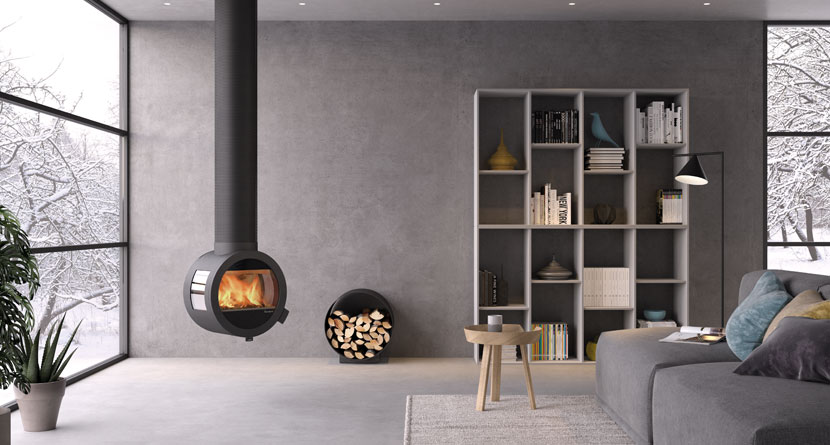
Perhaps even more so than living rooms, it’s essential to think carefully about the layout of your kitchen before installing a new fire or stove. Kitchens are often smaller than other areas or filled with units and appliances that reduce the space for your fire. Wall mounted fires and stoves can be a great space saver.

THE VERDICT

It entirely depends on how your kitchen is built, but if there is an existing fireplace then installing a stove or fire should be no problem whatsoever. If there isn’t, then you need to look at what you use your kitchen for. If you host and spend most of your time there, then the inclusion of a fire or stove can add a wonderful focal point.

The Great Outdoors – 5 Ideas for Entertaining Outside Round Your Fire.

As we dive into the summer and embrace the outdoors, seeking fresh ways to entertain on a budget at home is always on everyone’s agenda. And we’re here to show you it doesnt take much to transform your garden into an inviting, sociable, and stylish space to host gatherings and make unforgettable memories.


You can easily host a great garden get together without going all out, you don’t need a pool
or hot tub either, although both are great and lots of fun! Utilising your outdoor area has a
great list of pros but No.1 is being able to relax in the comfort of your own home.


In this blog we’ve listed 5 great entertainment ideas that will make your outdoor space the
place everyone wants to hang out in, this month and beyond. Try a few different ones to
keep your garden events fun and full of surprises!


Games Night

There’s nothing more nostalgic that a board game round the fire, everyone battling it out to
be games champion. Why not invite guests to bring their favourite? From small traditional
card games to a casino night or Pictionary to giant lawn games such as Jenga, chess, pick up
sticks and Connect 4. Grab the snacks, pop up some fairy lights for when the sun goes down
and get set to let the good times roll.


Outdoor Cinema

Lights, camera, action! What’s better than a backyard movie night under the light of the
stars and warmed by the fire? Transform your garden into an amazing outdoor cinema this
summer by setting up a designated space with a sheet or screen, some comfy pillows or
reclining outdoor chairs and cosy blankets. Whether you chose to watch a blockbuster or a
timeless classic, it’s treat for all ages.


If setting up a sheet isn’t quite for you there is a great range of inflatable, pop-up and ready
to use screens on the market. They’re fully portable too so you don’t need to worry about it
being in the way when you cut the lawn either.


S’mores from the fire make a fantastic movie snack along with freshly made popcorn and
mugs of steaming cocoa.


Cheese and Wine Night

Nothing beats kicking back, relaxing and enjoying a drink or two with friends. The bonus
with this idea is that it can easily double as a winter activity, just warm up the wine and
stoke up the outdoor fire, add extra thick blankets and big comfy cushions and you’re all set.

Make your cheese and wine night one to remember by serving baked cheese and warm
breads. If you have a Morsø Forno you could even bake these in your outdoor oven along
with freshly homemade flatbreads for that extra wow factor.


Outdoor Bar

Take you fire to the beach. Transporting yourself somewhere far more exotic than your own
backyard is easy if you’re topping up drinks at a tiki bar. It’s the perfect space to show off
those mixology skills you fine-tuned back in lockdown! Chalk up your cocktails on
a blackboard and arrange a mix of seating – from an outdoor table with chairs to pouffes
and beanbags.


When it comes to styling your bar, there are two options: the first is to keep things
sophisticated with natural materials and shades of grey and blue in the accessorise, or you
can go all-out tropical, complete with bright, fun props. Don’t forget the tunes either, with a
smart speaker a must to relive summer festivals past.

Pudding Party


Why save the best bit till last? Skip straight to dessert and have an evening as sweet as your
best pudding.

This must be one of our favourite new entertainment trends. A table full of treats is always
sure to delight your guests but a whole evening themed around dessert, take us to Wonka’s
factory now! Add in a hot chocolate bar where guests can pimp their drinks with cream,
chocolate flakes and marshmallows – or you could add Baileys or Disaronno for an alcoholic
version, and this gathering just became a party of dreams!

How to Incorporate a Fireplace into a Small Living Room

When a fireplace or stove is running optimally, it will go a long way toward offsetting high
winter heating bills. With such a huge variety of fireplaces designed for smaller spaces, now
everyone can enjoy the luxury, warmth and money-savings that you can only get with a
beautiful fireplace.

There’s something about a lit fire in a home that doesn’t just add warmth physically. Many
homes out there aren’t equipped to handle the load and capability of a full-blown fireplace,
but that’s not a reason not to have one.

There’s absolutely no reason that your desire for a roaring fire this winter should be
stopped short by the size of your living room. You might think that your space is a little too
compact to make room for a fireplace, but that’s very rarely true – modern fireplaces come
in all shapes and sizes, and it’s more than possible that you’ll be able to find an option which
doesn’t just fit your space but truly enhances it.

Still don’t believe us? Well in that case, perhaps it’s time to share some of our top
suggestions for making it work…

Wall Mounted Fireplaces

E-Reflex Trento Suite

When space is really at a minimum, a wall mounted fireplace is the way to go, granted that
you have the wall space for it. They don’t take much room vertically, but are guaranteed to
add a stunning centrepiece like no other. Whether gas or electric, today’s fireplaces
incorporate leading-edge technology for cleaner, hotter fires with a great list of additional
features. Read more about why a wall mounted fireplace might be the solution for your
home here.


Recessed Fireplaces

Studio 1 Profil

Recessed fireplaces work pretty much as the name suggests; they are set back into
the wall, meaning that they don’t take up any of that precious floor space. This design of
fireplace can not only become a great feature of your room but being set into the wall will
make your space feel bigger.


Electric stoves

Riva Vision

Electric stove fireplaces are a great way to incorporate fire into the home without having to
build into the wall. From classic and traditional to ultra-modern, an electric stove makes a
great finishing touch in any smaller room. Because they’re powered by electricity, there’s no
hauling and stacking wood, and there’s increased safety by not having gas lines running into
the heating unit. Electric stoves are easy to operate and provide controlled heat quickly.


Make the Fireplace the Centrepiece

Riva 2 Gas Fire

Typically, modern families choose to set the TV as the centre of the room, with the rest of
the furniture either pointing towards it or fitted around it. In a smaller environment, this
may mean that there isn’t really space for a second focal point. However, there’s no reason
that you can’t choose to move the focus away from the television, giving the fireplace pride
of place instead and transforming the room into a much more social area.

Of course, this doesn’t mean that the TV has to go altogether – you can move it into another room, hide it away behind cabinet doors or simply place it in a less central location. That way, you can
ensure that you are benefiting from both the warm charm of the fire and the luxurious
conveniences of modern life.


Frame your TV above the fireplace

The ‘TV above the fireplace’ trend can be hard to get right but with bold and dark interiors
becoming a big design trend in 2020 its easier than ever to successfully achieve this situ.
Style a dark fireplace surround with a coordinated dark painted chimney breast, this works
perfectly with the dark frame of a TV. Consider a light textured stone or bold, bright tile at
the back of the fireplace to lift the space and stop it from looking dreary. Alternatively, a
monochrome colour scheme can be just as effective. If your layout lends you to positioning
the TV over the fireplace, being bold is how to deal with it!

These are just some of the many ways in which you might be able to find space for a roaring
fire in a smaller living room, but get in touch and speak to one of our trained associates and
they will be able to discuss your exact needs and recommend the perfect choice.


Contact us today, online or by phone, for more details or to arrange your showroom
appointment.

Wall Mounted Electric Fires: Bringing Style Back to Small Spaces.

If you have a small living space, you might be feel like you can’t have a fireplace due to there
being nowhere for it to go. Why install something that is going to mean you have even less
space? It’s rare that you find a fireplace in an apartment, flat or similar home and even if
you do, it’s usually located in a top floor penthouse for venting purposes. New builds don’t
tend to incorporate fireplaces either as space is valued over aesthetics.


If you have restrictions on space in your home but you’re dreaming of the warmth and
ambiance that only a fire can provide – we have the perfect solution, Wall Mounted Electric
Fires. Rising greatly in recent interior trends, these popular fires come in an extensive range
of styles, designs and sizes, making them the perfect addition to homes with no floor space
to spare.

Radiance Glass Electric Fire

Both space-efficient and effective these fires are a great alternative to traditional wood
fireplaces for those facing interior design limitations. As the name suggests, Wall Mounted
Electric Fireplaces can be mounted directly on a wall to avoid taking up any valuable floor
space. They are designed with all room types in mind and will complement the décor as any
other wall-hanging accent would. However, these aren’t just an eye-catching centerpiece –
they also serve a completely functional purpose providing heat to your room. This can
quickly be turned on and off as an additional bonus so you never need to wait for the fire to
die down before heading out or going to bed.


With a thin profile and no need for venting, these are even a perfect solution for recessed
applications. Installing them directly within the wall allows you to place it virtually anywhere
you want without having to worry about space requirements.


Not convinced yet? Here are some additional reasons for why a wall mounted electric fire
might be the choice for you.


No Fumes  
Traditional fireplaces produce both fumes and smoke. With a wall mounted fire, you don’t
have to worry about any of these factors. They do not require venting and don’t create ash
and soot so you don’t have to worry about inhaling fumes or having them stain your walls.

E-Reflex Trento Suite


Lower Costs
Designed to meet the needs of any living space wall mounted electric fireplaces are an
extremely cost effective heating solution – especially compared to the more traditional
types. You don’t have to constantly buy materials to keep it lit, such as coal or logs. Electric fires can also have real flames, so you don’t even have to compromise on warming
ambience of more tradition fire styles.

Studio Electric Verve


Less Maintenance
A wall mounted electric fireplace requires less maintenance than a traditional fire, which
means you don’t have to worry about constantly cleaning it. Without the need for coal or
wood, you don’t have to worry about changing it after every use. With a wall mounted
electric fire, all you need to do is plug it in and then switch it on and off as you please.

Riva


The Wow Factor
Installing a fireplace to your wall means that you can brighten up an otherwise dull and
boring wall. It adds a feature or focal point to your room that people can focus on when
they enter. If you have a huge empty space on your wall then a wall mounted fireplace
might be the perfect solution for you.

Our Top 5 Morsø Pizza Oven Recipes

If you like to entertain friends and family at home, chances are you’re already dreaming of an ideal outdoor oven or perhaps you’ve already purchased a Morsø Forno outdoor oven. An outdoor wood heater and oven in one, beautifully designed and crafted, and excellent for cooking all kinds of food.

The Morsø Forno is not just for pizza. Use it to cook a wide variety of foods: shellfish, red meat, poultry, baked cheese, pancakes, tarts, and bread. The Morsø Forno outdoor oven is perfect for cooking meat and seafood at high temperatures with lots of flame, however, it is also suited to cooking dishes that require more delicacy and finesse, such as desserts.

Scroll down for our top five recipes.

Bread

One of our favourite things to cook in the Morsø Forno is flatbread. It’s very quick to make and the results freeze well so you can cook a batch and keep some for another occasion. We like ours with hummus. There are only three key ingredients and you can add herbs or flavours of your choice.

We’ve found this Jamie Oliver’s recipe for Easy Flatbread the most successful so far:

Flatbread

INGREDIENTS:

  • 350 g self-raising flour , plus extra for dusting
  • 1 teaspoon baking powder
  • 350 g natural yoghurt

METHOD:

  1. Add all the flatbread ingredients to a mixing bowl and mix together with a spoon, then use clean hands to pat and bring everything together.
  2. Dust a clean work surface with flour, then tip out the dough.
  3. Knead for a minute or so to bring it all together (this isn’t a traditional bread recipe, so you don’t need to knead it for long – just enough time to bring everything together).
  4. Put the dough into a floured-dusted bowl and cover with a plate, then leave aside.
  5. Dust a clean work surface and rolling pin with flour, then divide the dough in half, then divide each half into 6 equal-sized pieces (roughly the size of a golf ball).
  6. With your hands, pat and flatten the dough, then use a rolling pin to roll each piece into 12cm rounds, roughly 2mm to 3mm thick.
  7. Use a knife to cut 6 lines into the centre of each round, leaving about 3cm at each end.
  8. Place the griddle pan on a high heat, then once hot, cook each one for 1 to 2 minutes on each side, or until bar-marked and puffed up, turning with tongs.
  9. Then pile onto a serving board so everyone can dig in and help themselves.

Fish

Fish & wood fired ovens are a match made in heaven. The smokiness of the fire adds flavour to fish very quickly & the high heat allows you to cook in ways you couldn’t imagine doing indoors. A lot of fish, so long as it’s not cut too big, loves heat so try cooking hot and fast at 300C.

Wood-Fired Paella

We simply love this Paella dish from Hannah Jones at Manna in Devon Cooking School.

If you haven’t got a wood fired oven (yet!), don’t worry – you can cook this paella on a hob.

INGREDIENTS:

  • 3tbsp olive oil
  • 1 large onion, peeled and very finely chopped
  • 1 red pepper, deseeded, deveined and very finely chopped
  • 2 large cloves garlic, peeled and finely chopped
  • Good pinch saffron soaked in 2tbsp boiling water for 10 minutes
  • 300g risotto or paella rice
  • 2tbsp chopped fresh parsley
  • 1tsp sweet smoked paprika
  • 1 glass dry white wine – about 150ml
  • 800ml chicken or fish stock
  • 450g fish fillet (net weight) – boned, skinned and cut into 3cm chunks – we used monkfish as it holds together well
  • 1 medium squid, cleaned and cut into thin strips
  • 12 raw king prawns, shell on
  • Lemon wedges
  • Salt and pepper

This recipe should be cooked with a good fire burning and the door of the wood fired oven should be off

METHOD:

  1. Heat a large wide paella pan in the oven and when it’s hot, add the oil.
  2. Add the onion and pepper and season well. Cook the veggies in the oven for 2-3 minutes until they are starting to soften.
  3. Stir in the garlic, saffron and its soaking water, smoked paprika, rice and parsley. Season well and pour in the wine and bring to the boil. Reduce the wine until there’s almost nothing left and then add enough stock to cover the rice by 1cm.
  4. Put the pan back in the oven and cook uncovered until the rice is tender and the stock has all been absorbed. Add some more stock if the first lot has been absorbed but the rice isn’t quite ready.
  5. Put the fish, squid and prawns on top of the rice; cook for 4-5 minutes until the fish is cooked through and the prawns have turned pink. The flames should be burning round the top of the wood fired oven so that the fish is grilled slightly from above and the finished paella will taste slightly smoky – delicious!
  6. Keep the flames coming over the pan to add flavour and colour
  7. The fish and seafood are added once the rice is almost ready
  8. Garnish with lemon wedges and serve at once with some green salad and good bread.

Cheese

Ideal as a sharing starter or after dinner you can’t beat oven baked cheese! This recipe makes 6 servings.

FORNO SMOKED BRIE WITH PORT GLAZED PEARL ONIONS

INGREDIENTS:

  • 2 pieces Brie (triangular) Rye bread chips
  • 1 glass Pearl onions
  • 150 ml sugar
  • 75 ml port
  • 1 organic orange

METHOD:

  1. Lay the brie on a Tuscan grill and place it in the warm Forno.
  2. Fit the Forno stove door, put a wet cloth over the small chimney – smoking is finished in 12 minutes.
  3. Check the brie. You should able to press it and feel that it is soft and warm. Then cut the brie into slices and lay them on the rye bread chips. Drip a little of the port glazed pearl onions on the brie.

TO MAKE THE PORT GLAZED PEARL ONIONS

  1. Melt sugar until golden, pour the drained pearl onions into the sugar.
  2. Grate half of the orange with a grater and lay it aside.
  3. Add port and juice of half an orange and let it boil until the mass has slightly set and is uniform again.
  4. Finally, add orange peel to taste.
  5. Lay the glazed onions on the Brie.

Pizza

Are you on the lookout for the best pizza dough recipe? This could be it! Here’s a recipe from the Morsø website that makes 4-5 pizzas.

PIZZA DOUGH RECIPE:

INGREDIENTS:

  • ¼ litre cold water
  • 20g yeast
  • 1 tsp sugar
  • 300g type ”00” flour or durum flour high in protein.
  • 125g coarse ground semolina or polenta (coarse ground maize flour)
  • 1 tsp salt
  • 1 tsp olive oil

METHOD:

  1. Mix the water, yeast and sugar. The sugar gives the yeast something to live from and brings the dough to life. Then add 150g ”00” flour and 125g semolina. Then stir or knead until no lumps remain. Add the salt and oil, stir again and then add the rest of the flour in two stages. If the dough feels too moist, add more ”00″ flour. Now knead for all you’re worth. The dough has to be activated, which is best done by man or girl power. After 10-15 minutes, the dough should be smooth and flexible to the touch.
  2. Make a cut in the dough and check that it is shiny inside. If so, you can relax with a glass of red wine while the dough rises to double size in the fridge. If you’re ready in good time, you can leave it to rise overnight for the best result. But even the shorter rising time will also give you a delicious base.
  3. Take the dough out and cut it into balls of about 160g. Knead the balls by folding into the same point in the ball, leaving a smooth and stretchy surface. The ball should spring back up when you press into it on top. Place the dough balls on a tray and leave them cold (preferably in a refrigerator) for an hour. Take them out so that they reach room temperature. Now they are ready to be rolled or stretched.

Dessert

We told you this oven was an all-rounder so perhaps you already guessed it, but we can confirm that you can even bake a cake in the Morsø Forno! We love this sweet recipe from Irish chef Jenny Bristow, it’s sure to be a crowd pleaser and a perfect end to an evening of alfresco dining.

BANANA & CHOCOLATE CAKE

INGREDIENTS:

  • 2 ripe bananas, peeled and mashed
  • 100g good quality milk chocolate, chopped into little bits
  • 150g butter
  • 200g caster sugar
  • 1tsp vanilla extract
  • 300g self raising flour
  • 3 eggs, beaten

METHOD

  1. Line a 24cm round cake tin with baking parchment.
  2. Melt the butter and sugar together in a saucepan on the hob.
  3. Mix the banana with the eggs and vanilla extract.
  4. Mix the chocolate with the flour.
  5. When the butter has melted and the sugar dissolved, cool for 3 minutes before mixing everything together in a large bowl.
  6. When mixed, put the cake batter into the cake tin and bake in the oven at around 200C with no fire until a skewer comes out clean – about 30-35 minutes.
  7. Cool and serve with a cup of tea or cut whilst still warm and serve with vanilla ice cream as a pudding.

Wood fired cooking on the Morsø Forno Outdoor Oven, simply ideal for everything. From grilling steaks to making a sauce, using as a pizza oven or a smoker for fish, baking a cake or roasting chicken with all the trimmings.

Learn more about this incredible outdoor oven here

BRIQUETTES AND ALL YOU NEED TO KNOW ABOUT THEM.

Wood Briquettes are a high performing, low cost wood fuel suitable for multi-fuel fires and stoves but used in the wrong product they can cause long lasting damage to your appliance. Read on to learn more about this fuel source and the best ways to use it effectively.

WHAT ARE BRIQUETTES? 

Wood briquettes (not to be confused with coal or charcoal briquettes) are a wood fuel made from compressed dry sawdust and/or wood chips. They will usually have less than 10% moisture content.

Wood briquettes are much hotter, cleaner, longer burning and more economical than traditional logs. … Briquettes also recycle a pure wood waste product, which means less going to landfill. It also means that trees are not having to be felled specifically to make firewood.

Compressed wood briquettes are more efficient than logs as they are very energy-rich and very dry. While coal might be a very energy dense fuel, giving out a lot of heat and burning slowly, it is also the most polluting. 

Wood briquettes burn up to 50% hotter than logs but as not as hot as coal, meaning they can cause lasting damage when burnt exclusively in a wood-burning stove as these products haven’t been designed to deal with such temperatures. 

WHY USE BRIQUETTES?

Briquettes host many plus points: they’re easy to use and transport, easy to store, 

light quickly and break up easily for smaller stoves. They are also typically more cost-effective than logs and can be used alone or with firewood. 

As they are odourless, they are great for open fire cooking and give off very little smoke and ash too.

There are of course many different types of fuel briquettes on the market in various shapes and sizes under a wide variety of names. Apart from shape and size, principle variants include:

Type of wood: hardwood, softwood or a mixture. Hardwood briquettes are denser and will burn that bit longer

Size of particles: the smaller the particles, the tighter and denser the briquette

Pressure exerted during manufacture: the greater the pressure, the denser the briquette resulting in a longer burn time and higher heat output. 

CHECKING BRIQUETTES FOR QUALITY

Briquettes are not all made to the same quality and there can be big differences in products given this name. Because of the variation in density, some briquettes are a lot crumblier than others and fall apart more easily. Such briquettes also just “fluff” out and leave lots of ash behind when they’re burnt.

When purchasing briquettes, you should always check the packaging is waterproof and completely covers the contents. If the briquettes get wet, they expand and break down and are no longer fit for burning. 

Briquettes should consist of 100% wood. They are often made from waste wood, so the pure wood ones have very good environmental credentials. Avoid any briquettes which haveglue or any other chemicals present. Watch out for a small number of products, often sold as packs of one or two “logs”, which consist of paraffin – or other accelerant – mixed with saw dust – these are best avoided!

HOW TO USE BRIQUETTES IN A WOOD OR MULTI-FUEL STOVE

Just as small kindling sticks catch fire more quickly than larger logs, it’s the same with briquettes. Use smaller briquettes when you want to get the fire started or need a quick burst of heat. Use large briquettes when you’re looking for a longer, slower burn.

As with any wood fuel, the denser the material the longer it will burn, however the greater the effort that is required to get the fire started. Briquettes are essentially high-energy wood fuel, usually denser than any native UK hardwood and with a lower moisture content. As mentioned, they are not as high in heat energy as coal, but they are the closest wood fuel to coal on the market. It’s sensible when first using them to bear this in mind and only use a few on your fire until you get used to the heat output. You really do not want to over-fire your wood burner and distort the metal work!

They are 100% wood so burn just like wood with a very pleasing flame. Don’t hesitate to mix them with other logs or use them on their own. You can also use briquettes for a very good campfire, barbeque or other wood-burning outdoor and open fires.

STORING BRIQUETTES

Because briquettes are so dry, they readily absorb water which then makes them crumble apart. It’s therefore very important to ensure the sacks of briquettes are stored in a dry place – please don’t rely on packaging to keep the briquettes dry if left outside in the rain. Plastic sacks can be easily torn or punctured and once wet briquettes cannot be burnt. 

OPENING UP AN ORIGINAL FIREPLACE

If you’ve been lucky enough to discover a bricked up or covered fireplace in your home, and you’re looking at opening up to develop the space, you’ll most likely be looking for some top tips on how to do this successfully. In this guide we cover everything from the mess expected to the range of finishing options available.
TO START

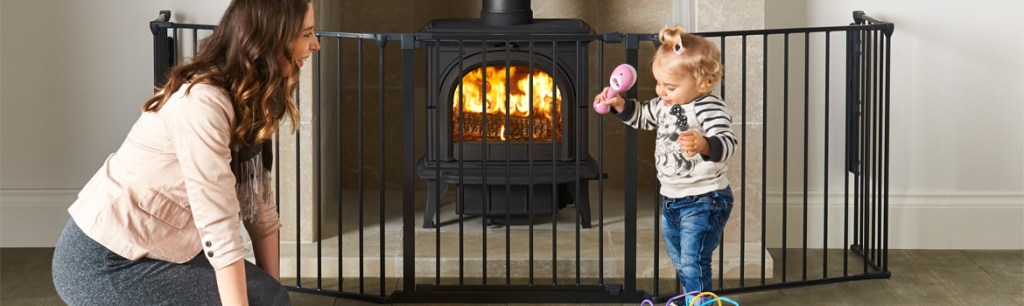
Before you get to work opening it up, it is wise to consult a surveyor to ensure reopening your fire will not cause any structural damage. If the wall has been completely rebuilt, you will need to call in a builder, and likewise if there is no lintel in place or the existing lintel is cracked, as the wall could collapse if you try to knock it through yourself.

If you believe the chimney has been removed, look in the loft for either a flue or signs – chopped-off bricks or a sooty strip – that one was once there. The flue and chimney must be reinstated if you intend to have a fully working fire.

You should also check to see if the hearth is still in place. You can do this by lifting the floor covering. The hearth is usually a concrete slab, about 12cm deep, which extends beneath the fire and out into the room. If it is missing, or too low it will need to be rebuilt. To comply with Building Regulations a hearth needs to be raised above floor level; it’s a simple job to form a new one directly on top of an existing in-situ concrete hearth, or you might opt for a marble or slate hearth.

Note: It must be emphasised that any structural tasks such as adding a hearth or reinstating chimney breasts, need to comply with Building Regulations.

OPENING UP

It’s safe to say this isn’t a mess free job and we advise protecting floors covering and covering and furniture that can’t be relocated to another room. There is potential that astounding volumes of soot and dust will be generated when opening up a fireplace — engulfing everything nearby in a thick, black coating.

The following instructions are for those who have the expertise and choose to carry out the work themselves: 

Start by carefully chopping off the plaster from the assumed centre of the fireplace, working outwards, and the outline of the opening will become apparent. It should be spanned by a lintel, which must be left in place.

Starting one course down from the underside of the lintel, remove a full course of masonry the width of the opening. This should then reveal a space with a fireback where the fire once burned. If the fireback is in good condition, it can be left in situ. Minor cracks in the fireback can be repaired with fire cement, although more extensive damage will need specialist attention.

Once the outline of the structural opening, together with its lintel or arch, is visible, all the masonry within the outline can be removed, leaving a square opening to take the fire or stove of your choice

BEFORE INSTALLING A NEW FIRE OR STOVE

Before you can begin using the fireplace there are a few essential checks to undertake. These include:

  • Damaged arches or lintels will need repairing and the chimney must be sound and clear of any obstructions.
  • Before installing a new appliance, bring in a chimney sweep to clean and inspect the flue.
  • Have the condition of the lining checked and a smoke test carried out.

MAKING IT YOUR OWN.

From the exposed brick to traditional Victorian cast iron inserts, the options to finish your uncovered fireplace are endless. The style you go for really depends on the age of your property and the overall look you’re aiming to create. A large opening might be perfect for a wood-burning stove for example. 

LET US HELP.

Breathing new life into an old fireplace will usually involve multiple stages of work, from recreating/enlarging the opening to installing a new hearth and flue liner. Let us help you from site assessment, through Building Regulations to choosing your final appliance. 

Our expert advisors are on hand to guide you through your project to achieving the flames you desire. 

NO CHIMNEY? NO PROBLEM!

In this article, we look at how to choose a fire for you home if you don’t have an existing chimney. There’s a whole range of modern stoves and fireplaces that will turn the heat up in your home without requiring a full-scale renovation.

If you don’t have a chimney and want to know what your options are, we’ve put this handy guide together to help you.

CHOOSE ELECTRIC 

One option if you do not have a chimney is to opt for an electric stove or fire. An electric stove or fire only requires a mains socket to function. There are many stunning electric fueled options to choose from. Electric stoves are expertly designed to imitate the look of a real wood burning fire, with realistic logs to boost the effect. Offering instant heat at the flick of a switch, eliminating the need to store fuel or light fires.

An electric stove or fire is a ready-to-use option that requires minimal installation time. They don’t need a chimney and offer the heat and comfort of a fire without a lot of maintenance. Almost all modern electric fires and stoves also all come with the option to enjoy the flames without any heat output, meaning you can still enjoy the ambiance of a fire in the warmer months.

Electric is a great option for those without a chimney and individuals who move to a new house often, as you can always take an electric fire or stove with you.

A BALANCED FLUE GAS OPTION

Another alternative for if your home does not have a chimney is to opt for a gas stove or fireplace. Many gas stoves and fires are available as balanced flue versions, negating the need for a chimney entirely. A balanced flue model requires a twin-walled pipe to vent directly to an outside wall. Find out more about how a balanced flue installation works here.

This gas alternative offers the convenience of the beauty and warmth of a real fire that can be controlled from the comfort of your armchair. This choice also eliminates the need to constantly fuel a fire with wood, as a gas hook up conveniently does all the work for you. A perfect option to sit back, relax, and not worry about the fire’s needs. 

With all gas options, there will be no aromatic wood smell, but again eliminating the worry of where to source or store your fuel. While you don’t need a chimney, as mentioned above, you still need ventilation and these installation costs should be considered in your budget when choosing a gas fire or stove. 

STOVES

If you still want a log burning or multi-fuel stove but your home does not have a chimney, there are some options that may be available to you.

A conventional fire or stove requires a chimney or flue system to function. If you do not have a chimney, you may be able to have a pre-fabricated twin wall flue system installed which works in the same way a normal chimney would. 

There are two options for you to have twin wall flue system installed, either internally through the roof or externally through a wall of your building, either allows you to enjoy a fuel burning stove in your home. These do require more work to fit than using an existing chimney. However, it is still a reasonably simple and cost-effective way to enjoy to benefits of a traditional fire in a home with no chimney. 

If you opt to have a twin wall flue system installed externally, your flue will connect to your stove and exit through an external wall. It then runs up the side of your building to empty at a safe distance – usually near your roof. 

If you opt to have a twin wall flue system installed internally, your flue will still connect to your stove, but the pipe will run through the inside of your house, through your ceilings, and out of the roof to empty.

Which one is best for you depends on your circumstances. If you choose the external option, you will have a visible steel pipe along the side of your building. If this doesn’t appeal to you, you may prefer to keep it inside.

Ready to start discussing your fire options further? Our highly skilled team are on hand to help you and give you the best advice to achieve the flames you desire.