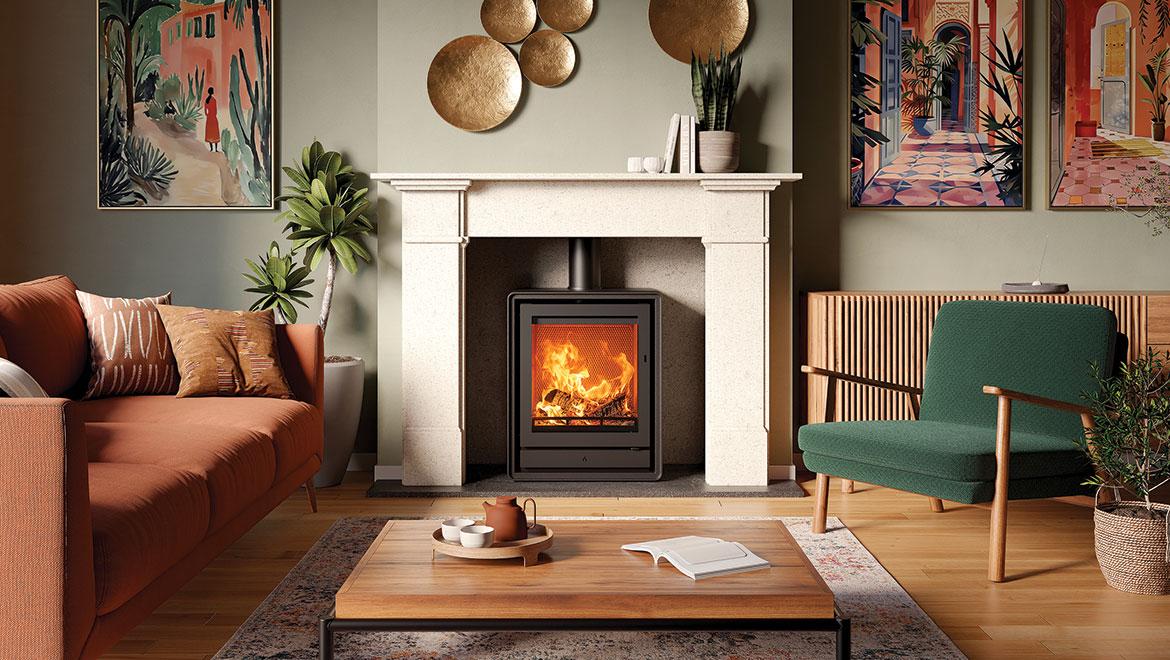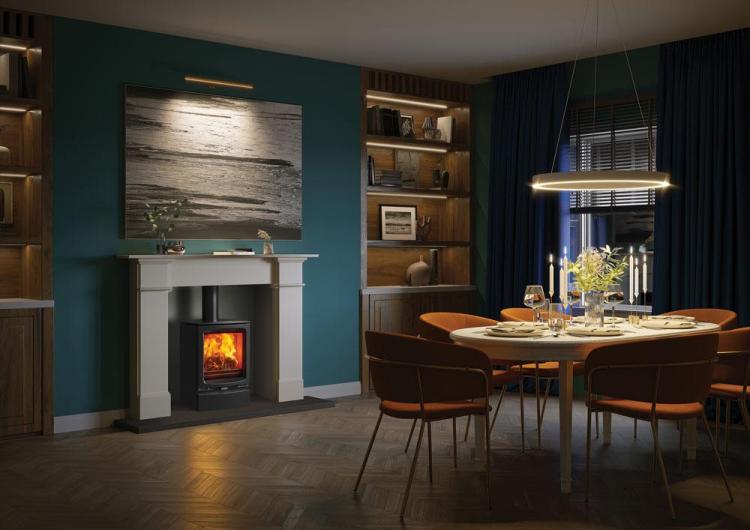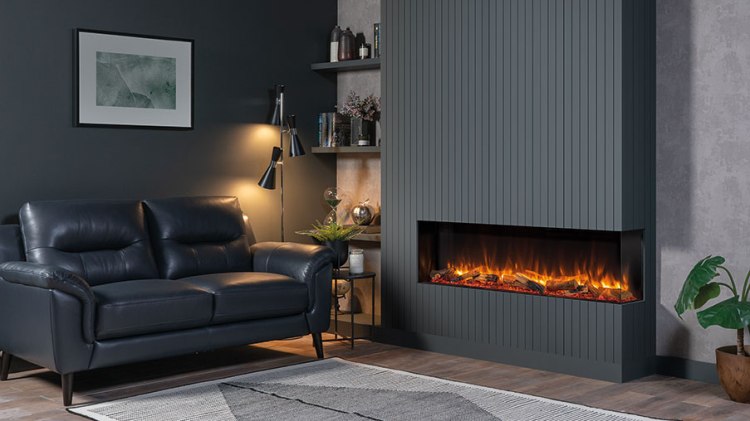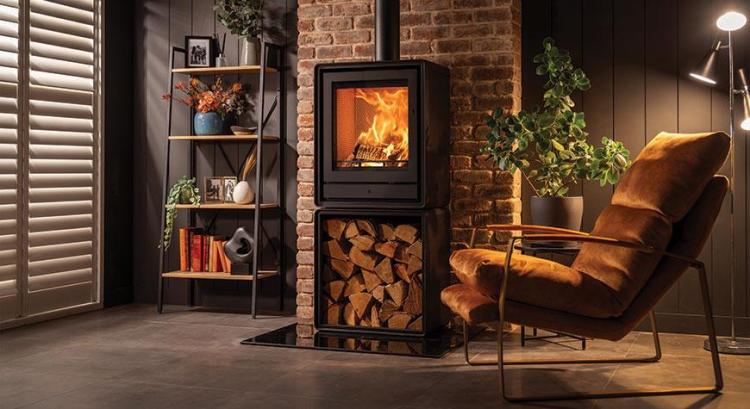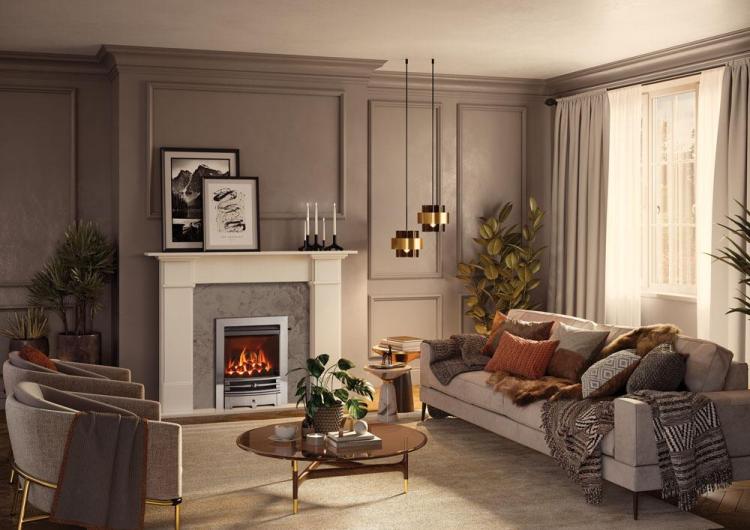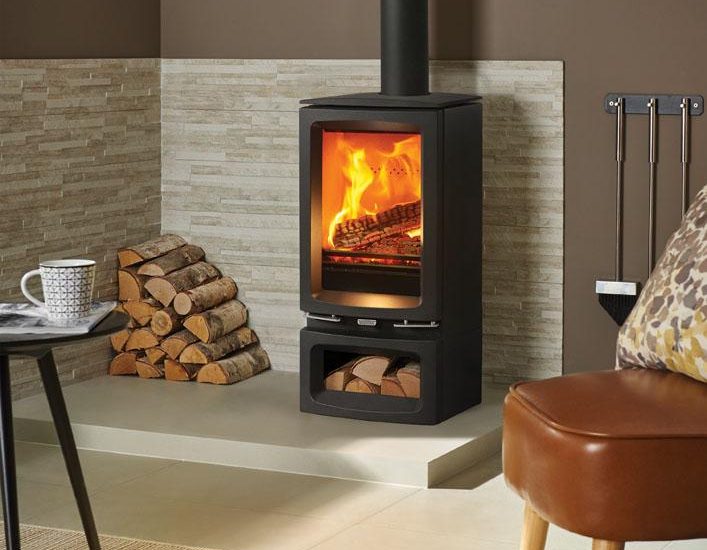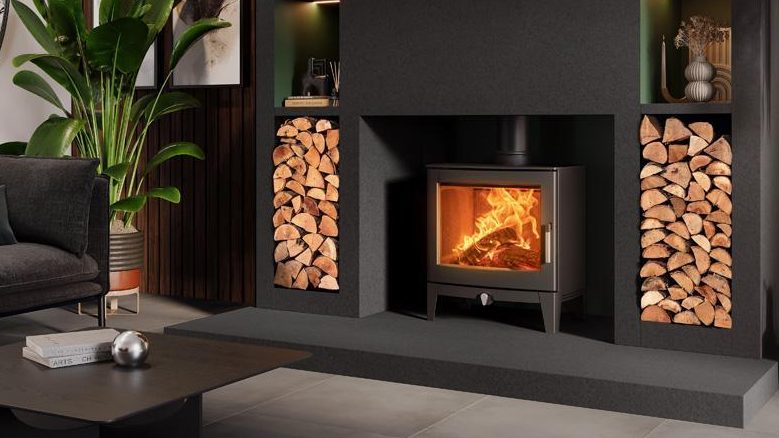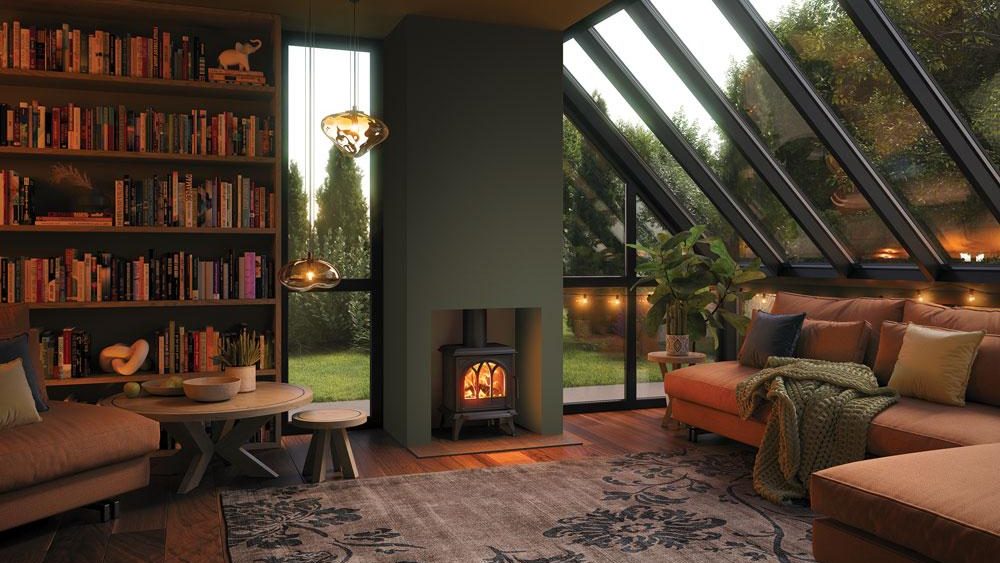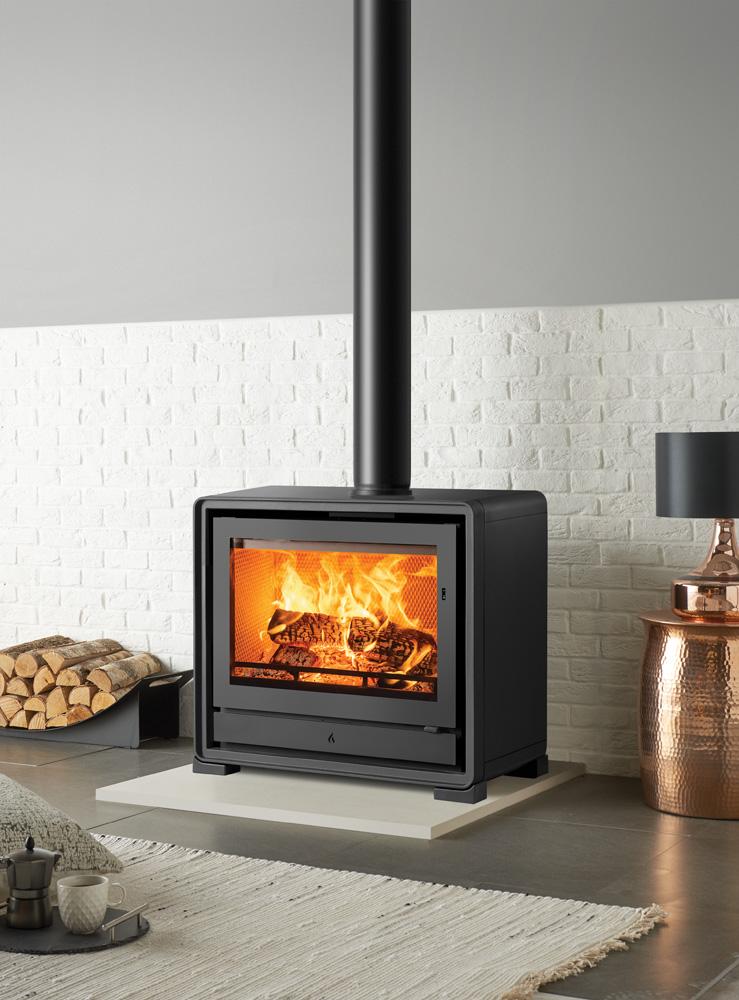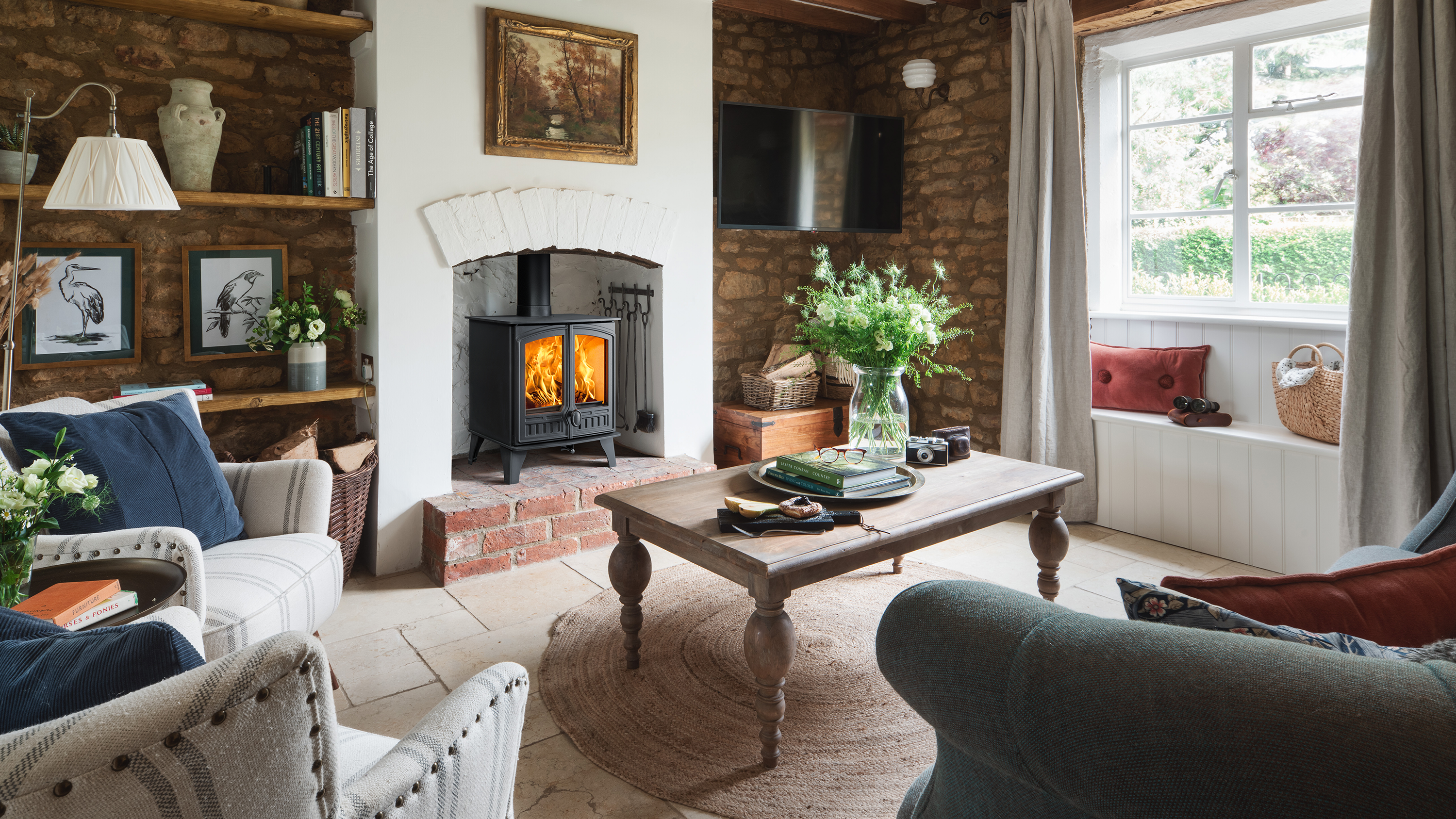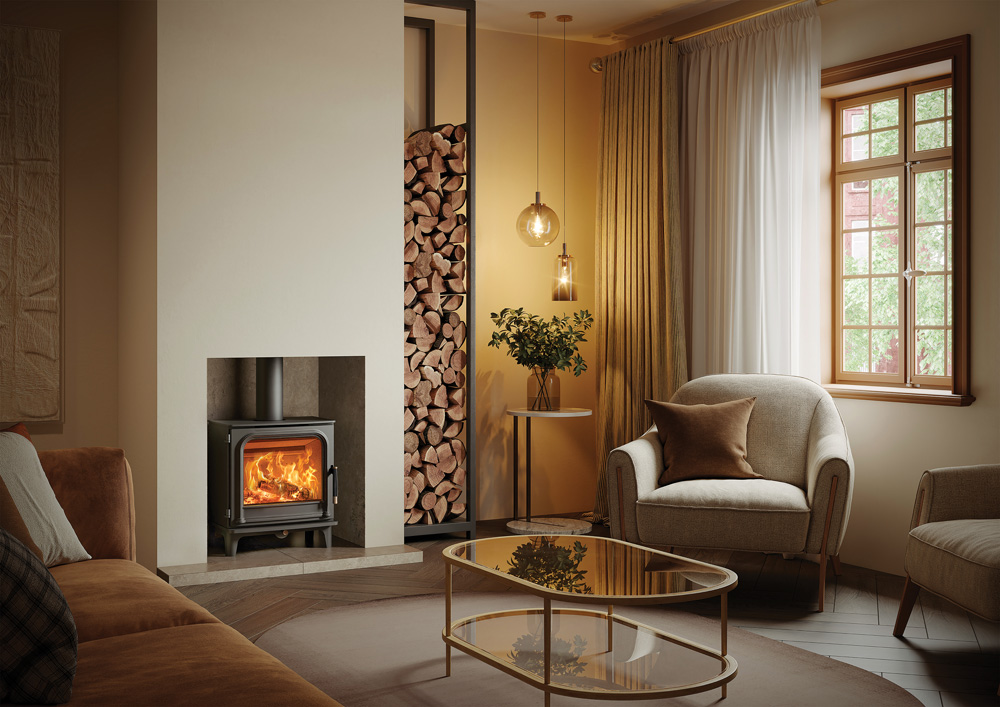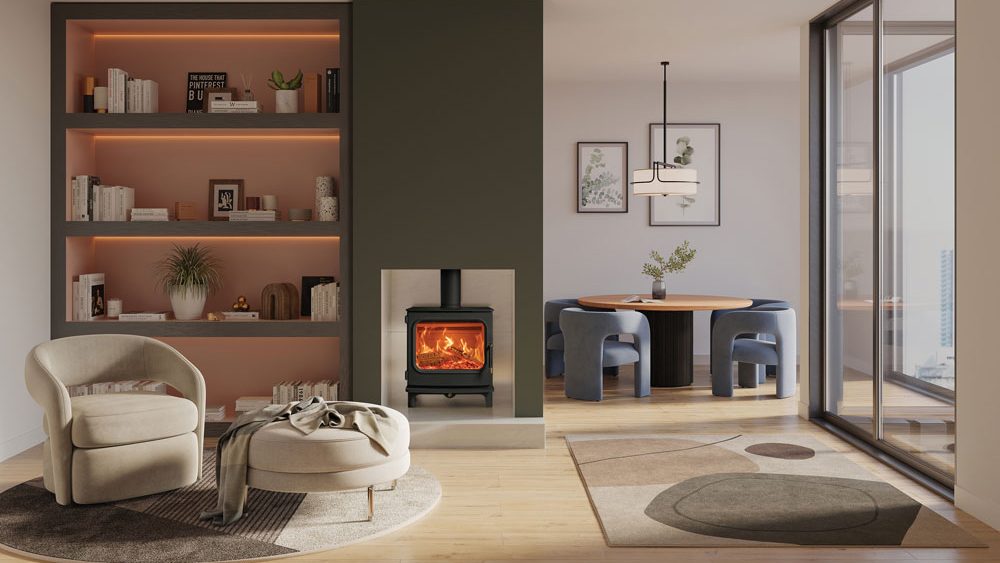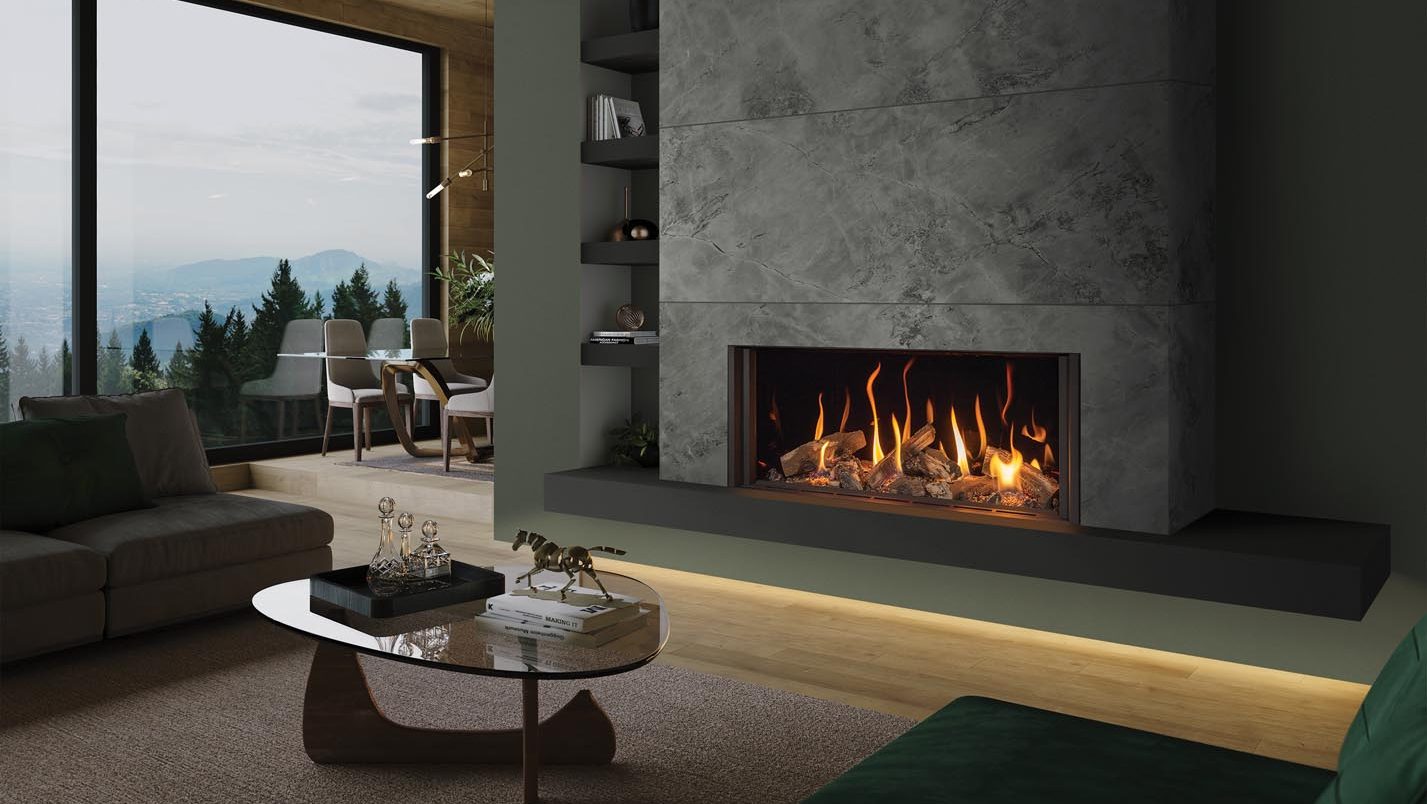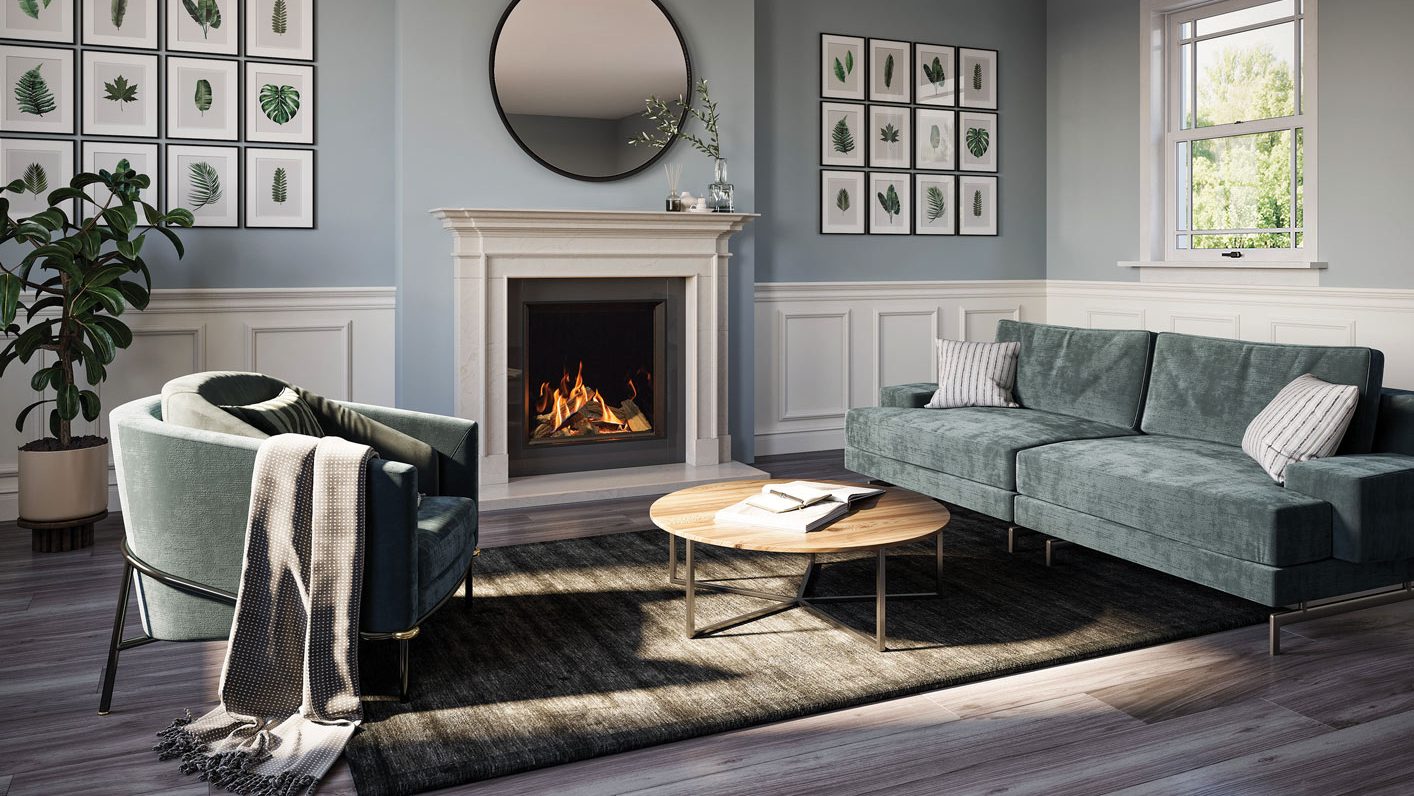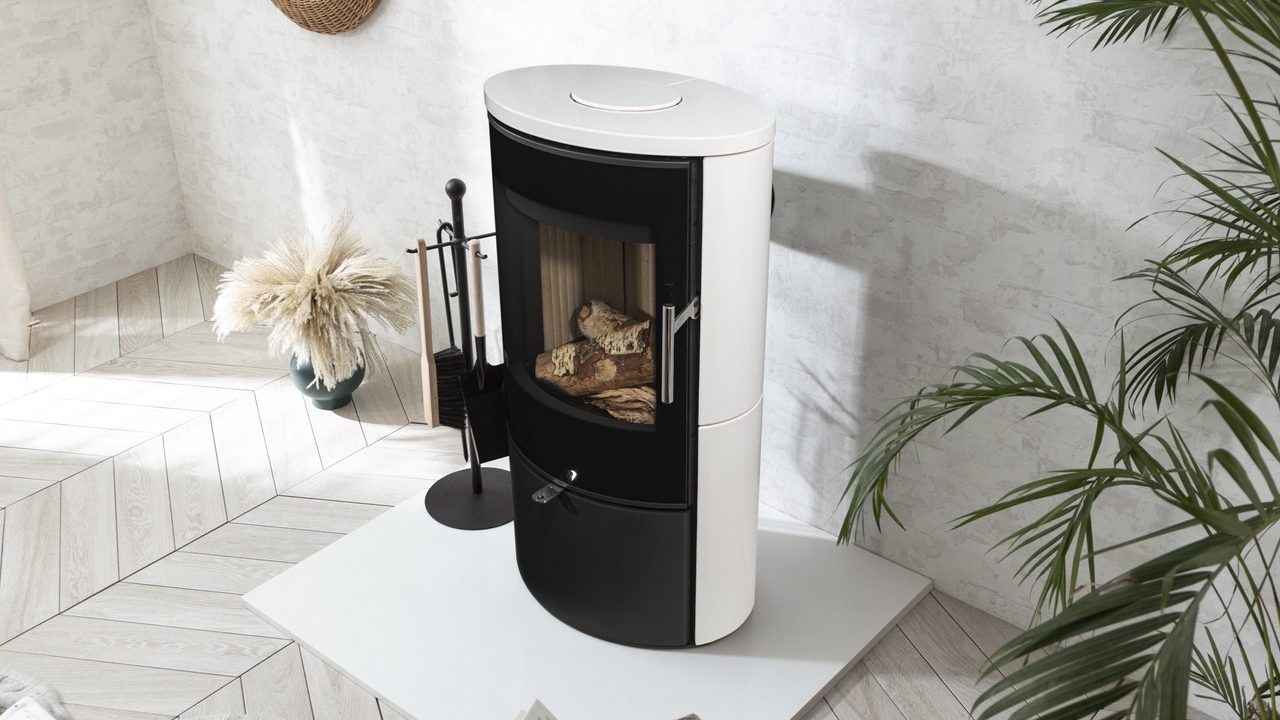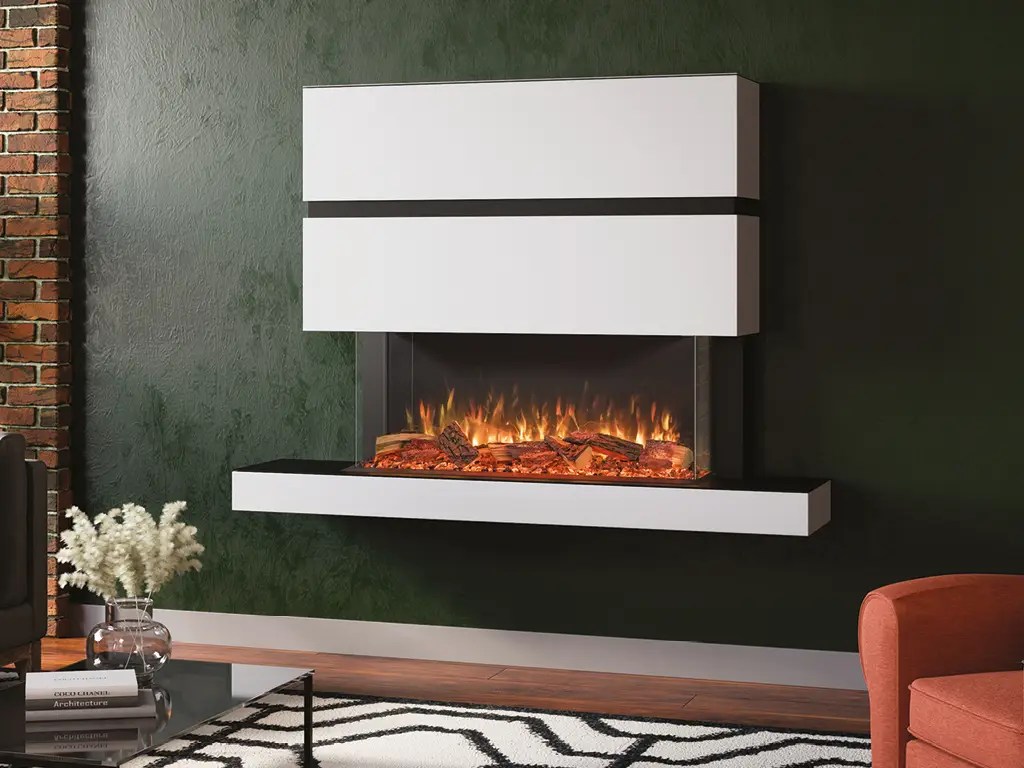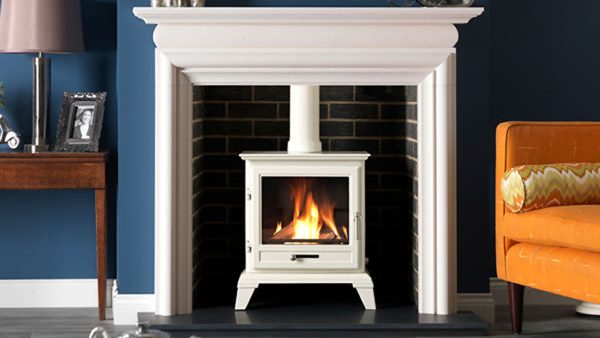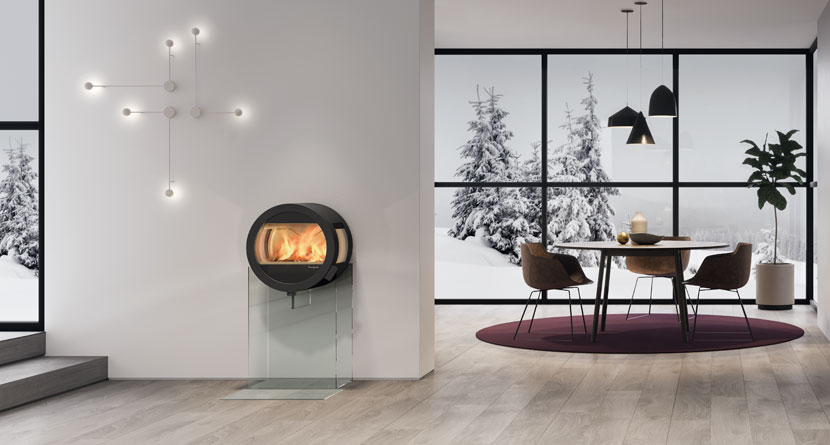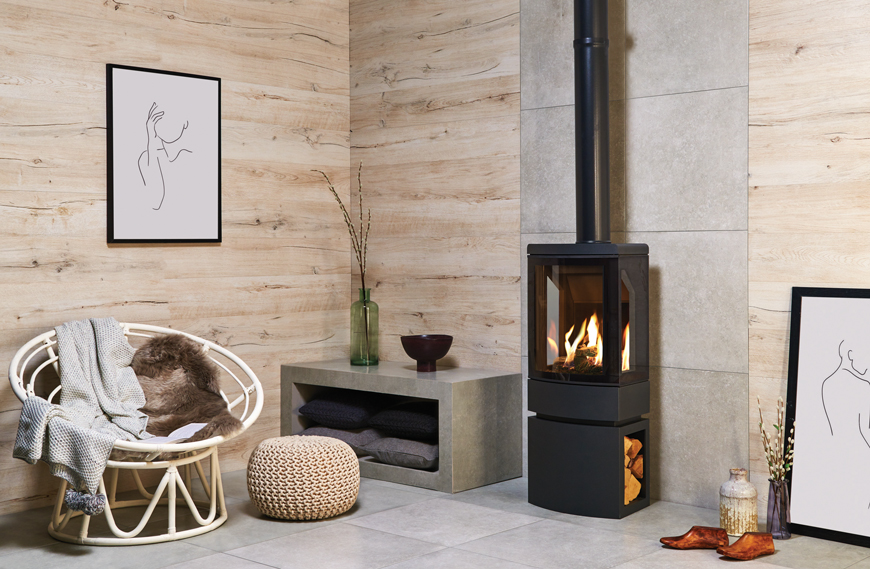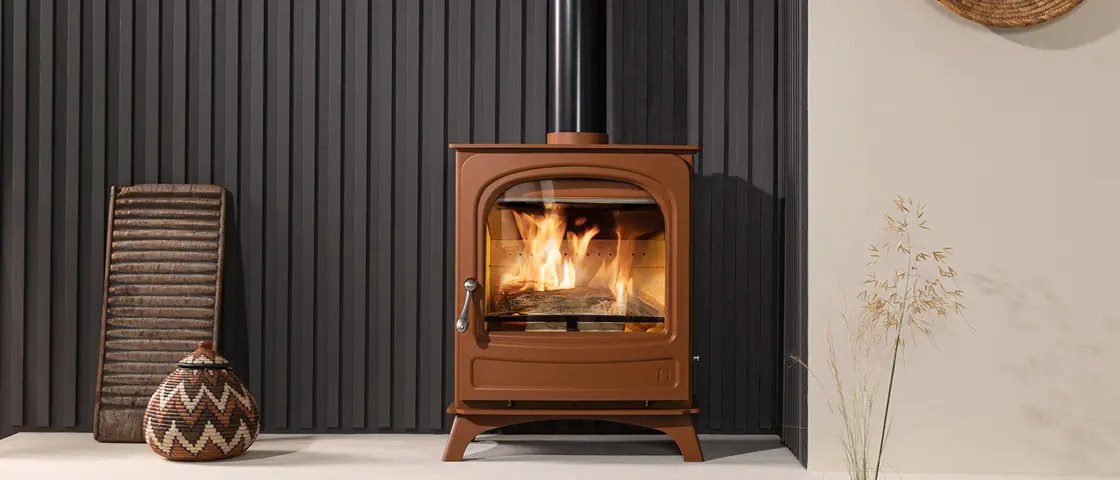
Imagine stepping inside after a chilly Scottish walk, the fire crackling beside you, warmth wrapping around you like a hug. Weโve rounded up some of our favourite cosy venues, including two extra special spots with Living Fires installations!
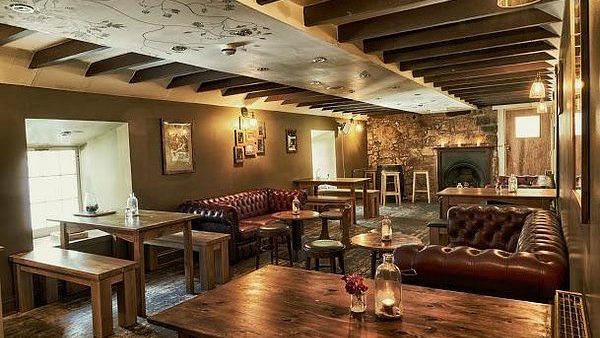
Step through the door of this historic gem and feel time slow down. With its painted ceilings and classic pub menu, The Red Lion Inn is beloved by locals and visitors alike. It was saved by the community and features a beautiful Living Fires stove installation. The perfect location for settling in with a hearty steak pie or sticky toffee pudding after exploring this picturesque, historical Royal Burgh.
This isnโt just a cafรฉ; it’s an artful haven inside an Art Deco former fire station. With a roaring Firebelly Stove, installed by Living Fires, quietly radiating warmth in the cafรฉ and creative energy in every corner, itโs a place to enjoy good food, live events, and local art.
Low stone walls, a grand open fire, and seafood platters make The Dreel Tavern feel like a snug retreat by the sea. Itโs the perfect spot for warming up after a coastal walk, with local spirit and charm in equal measure.
Just steps from the beach, The Ship Inn exudes seaside cosiness. Authentic nautical decor, a log fire, and views out to the shore make this a favourite destination for both the soul and senses.
A country pub gem in a quaint village, The Boarโs Head pairs traditional pub fare with a snug fire-lit ambience. A true countryside classic that feels like home.
With its small, intimate bar and dog-friendly welcome, The Covenanter offers a charming blend of history and hospitality. The warmth goes beyond the fire and into its service and character.
Known locally as the โBrew Co,โ this spot offers 18 beers on tap and tucked-away sofas in front of a crackling log fire, an ideal place to unwind after a stroll through St Andrews’ medieval streets.
What to Expect at Each Spot
Ambience: These venues all ooze rustic charm; think stone walls, wooden beams, and glowing fires that instantly soothe.
Food & Drink: These pubs and cafรฉs all serve great grub ranging from locally sourced seafood and hearty pies to fresh brunch options and good brews.
Unique Features: From community-owned pubs, art galleries in converted fire stations, to historic inns with tales that echo through the stones, thereโs a place fro everyone to enjoy a meal out at the fireside.
Specials Features Worth Mentioning
The Red Lion Innย serves ales named after Culross landmarks, adding local flavour to your pint.ย These are made by a small volunteer-run Community Brewery that has recently started in theย upstairs of the Inn.ย
Fire Station Creativeย offers a great range of events from exhibition openings and fireside music sessions to family-friendly quiz nights,ย ย making it a great choice for a creative winter night out.ย
The Dreel Tavernย really is a seafood-loverโs dream by the burn with warm fire and seasonal specials.ย
Why These Spots Matter
Each venue embodies the heart of winter cosiness in Scotland, and Living Fires is proud to be part of two. Whether through design, warmth, or community spirit, these places offer more than comfort; with focal fireplaces, they have made the perfect settings for gathering and good times over the chilly winter season.
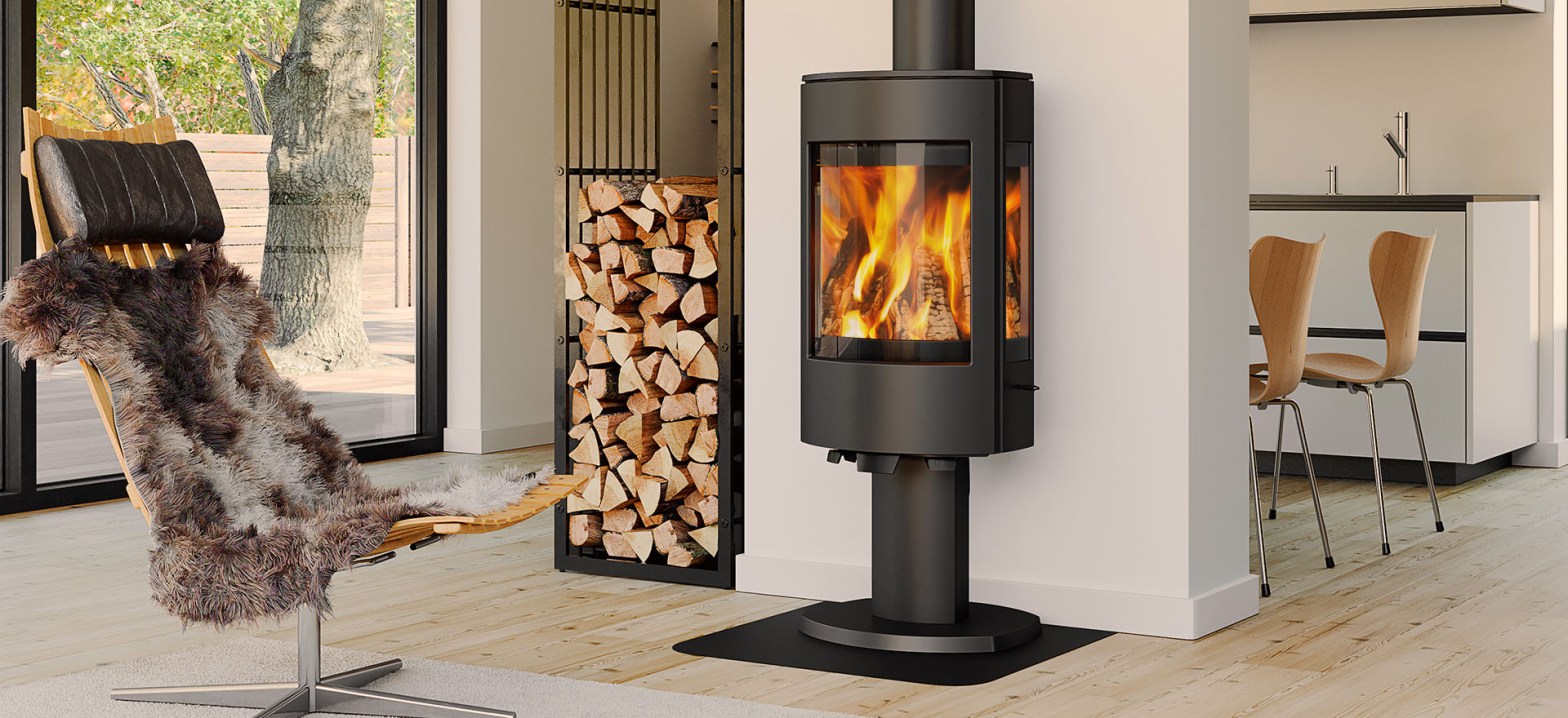
Thereโs something effortlessly cosy about Scandinavian interiors. The calm, uncluttered space, natural textures, and glowing warmth make any home feel inviting even on the coldest Scottish winter days. And at the heart of all of these spaces? The fireplace.
At Living Fires, we help homeowners combine style and function with fires from our trusted suppliers like Stovax & Gazco, Nordpeis, and Esse, so your fireplace can be both beautiful and efficient.
Hereโs how to achieve a Scandinavian-inspired look in your own home:
1. Neutral Colours
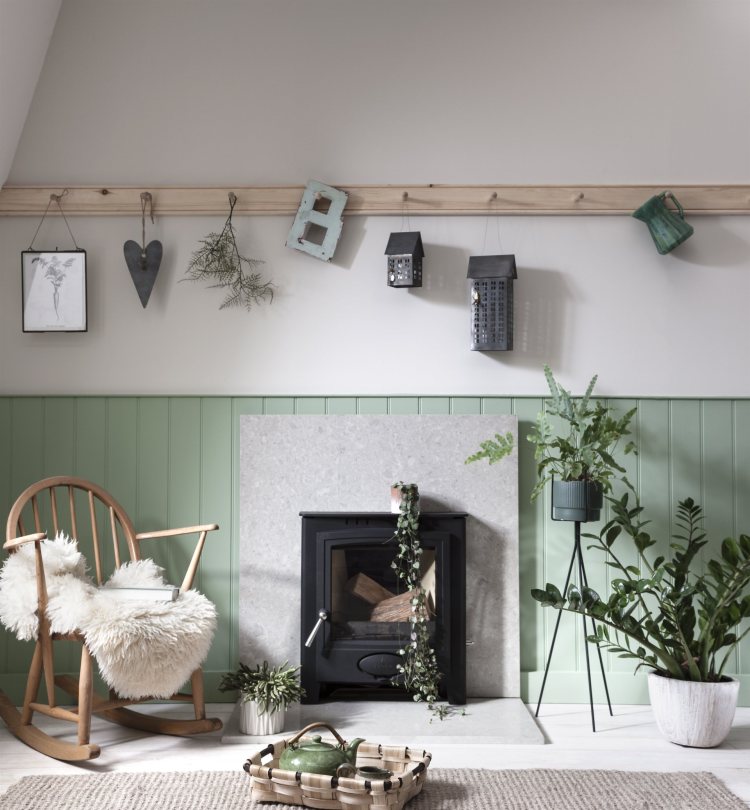
Scandinavian interiors thrive on soft, neutral palettes. Think whites, greys, and natural wood tones that create a sense of calm and space. A fireplace framed by pale walls or a light timber mantel instantly feels airy and inviting, letting the warmth of the fire become the focal point.
2. Minimalist Design
Less is more. Keep mantels uncluttered and surfaces clean, highlighting the stove or fireplace itself. Sleek designs from Onyx or Faber Fires work beautifully in these spaces, letting the fire take centre stage without competing with too many decorative elements. Simplistic mirrors with natural wood frames (or even frameless) over mantels work well to help reflect light around the room.
3. Hygge Elements
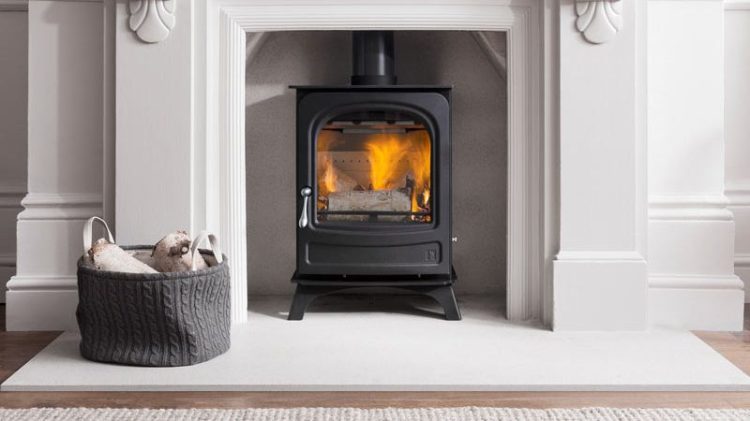
The Scandinavian concept of hygge is all about comfort and cosiness. Layer soft, neutral-coloured throws and cushions in natural fabrics, add textured rugs, and scatter plain white candles around the hearth for a warm, welcoming glow. Even simple additions like a woven basket for logs (or extra blankets if you have an electric or gas fireplace) or a chunky knit pouffe enhance the sense of homely tranquillity.
4. Functional Aesthetics
Scandinavian style blends form and function. Your fireplace should not only look good but also deliver efficient heat. Our suppliers offer fires that combine both sleek design with outstanding performance, so your home stays cosy without compromising style.
5. Inspirational Interiors
Look to Scandinavian homes for ideas: clean lines, muted colours, and layered textures. Whether itโs a minimalist white living room with a black stove as a striking contrast, or a natural timber space with soft grey accents, these interiors show how simplicity can create warmth and personality.
Bring Scandinavian Warmth to Your Home
With the right fire and styling, you can transform your fireplace into a serene, hygge-inspired haven. At Living Fires, weโre proud to offer a fantastic range of fires from our portfolio of suppliers, perfect for helping you choose a fire that suits your needs and creating a space thatโs stylish, cosy, and entirely your own.
This winter, embrace simplicity, warmth, and the timeless elegance of Scandinavian design all from the comfort of your own home.
Picture this: itโs a frosty evening, the wind is howling outside, and you step into your living room where a glowing stove is radiating warmth. The air feels dry and comfortable, thereโs a gentle crackle of logs, and suddenly winter feels less like a season to endure and more like a season to find delight in.
Thatโs the difference a stove can make. At Living Fires, we work with trusted suppliers, including Arada, Mendip Stoves, Hunter Stoves, Esse, Clock, and many more, to help you create a home thatโs not just warm but welcoming.
Here are some of the benefits youโll enjoy when you install a stove this winter:
1. Energy Savings
When the cold sets in, heating bills can skyrocket. A well-chosen stove helps you cut costs by reducing your reliance on central heating, keeping the room you use most warm and comfortable. Brands like Burley Appliances and Charlton & Jenrick lead the way in energy efficiency, giving you powerful heat with lower fuel use. Over the course of a winter, those savings really add up.
2. Aesthetic Appeal
A stove isnโt just practical, itโs a statement. Whether you love the sleek, modern look of Onyx or Faber Fires, or the traditional charm of Clock and Dovre, a stove adds instant character to your home. It becomes a natural gathering point, the place where family and friends come together on chilly evenings. And beyond comfort, it can even enhance the value of your property.
3. Better Heat Distribution
If youโve ever sat by an open fire and realised most of the warmth is disappearing up the chimney, youโll appreciate the difference a stove makes. Modern fires, like those fromย Stovax & Gazco, are designed to distribute heat evenly and efficiently throughout your space. Many feature clever convection systems, so the whole room warms up faster and stays warmer for longer.
4. Eco-Friendly Features
A roaring fire doesnโt have to come with a guilty conscience. Many of our suppliers, including Hunter Stoves and Arada, design models that meet EcoDesign standards and are DEFRA-approved for smoke control areas. That means cleaner burns, fewer emissions, and a smaller carbon footprint all while you enjoy the comfort of a real flame.
5. Health Benefits
Thereโs nothing cosy about a damp, draughty room. By providing consistent, dry heat, stoves can reduce condensation and eliminate cold spots, creating a healthier, more comfortable living environment. In the long, wet Scottish winters, this makes a real difference, especially for families who want to feel snug through the season.
Find Your Perfect Stove
At Living Fires, we stock a wide range of stoves from suppliers. From modern statement pieces to timeless classics, weโll help you find a stove that fits your home, your lifestyle, and your winter rituals.
So this year, instead of dreading the cold, imagine welcoming it with a stove that turns your home into the warm, glowing heart of winter.
Thereโs nothing quite like a Scottish winter. The evenings draw in early, the wind rattles the windows, and the thought of stepping outside feels far less appealing than staying tucked up on the sofa. Thatโs when your fireplace comes into its own, not just as a source of warmth, but as the heart of your home.
At Living Fires, we know that the right styling can make your fireplace more than functional it can transform it into a true winter sanctuary. Here are some ideas to help you make the most of yours this season:
Seasonal Dรฉcor
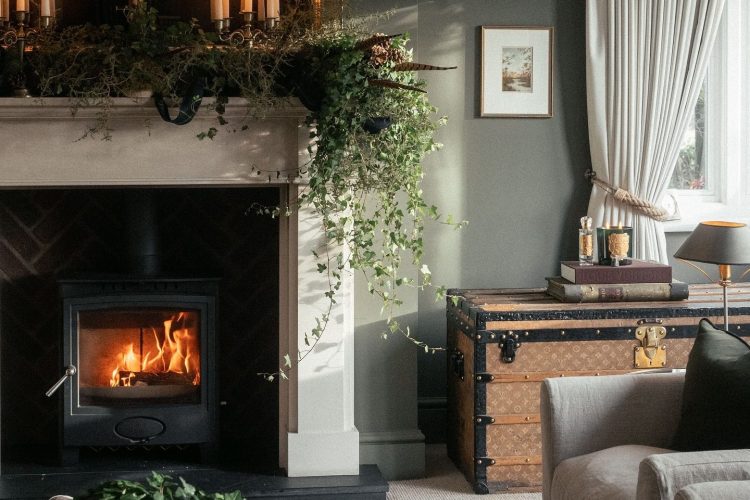
Bring the outside in with nature-inspired touches. Pinecones, evergreen sprigs, or even a rustic garland can instantly add warmth and charm. Pair them with soft candlelight or twinkling fairy lights interwoven or in a glass jar to create a magical glow that complements the fire itself. If youโve chosen a sleek, modern stove like those from Onyx or Faber Fires, minimal accessories such as a tall floor vase featuring a slim, single branch can enhance the clean lines, while more traditional models from Arada or Esse look beautiful framed by seasonal greenery.
Soft Furnishings
Nothing says winter comfort quite like layers. Drape a chunky knit throw over the arm of a sofa, pile up cushions in rich textures, and roll out a thick rug to sink your toes into. This layering not only adds warmth but also draws attention to the fireplace as the roomโs natural gathering place. A glowing fireย paired with cosy furnishings creates a scene youโll never want to leave.
Fireplace Accessories
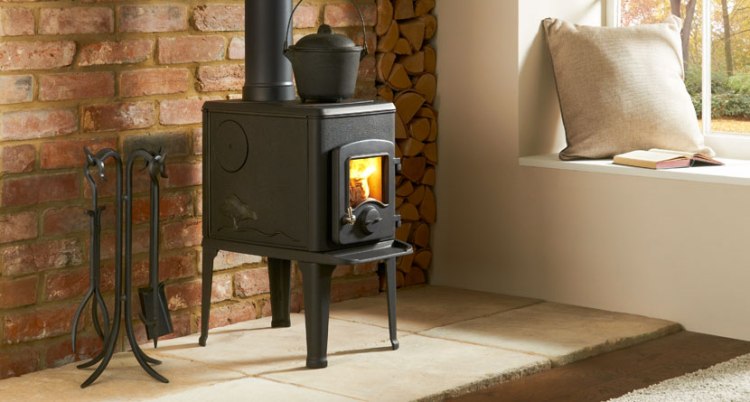
Practical can still be beautiful. A woven log basket filled with neatly stacked wood, a set of brass tools, or a stylish fire screen adds character and completes the look. Brands like Clock and Hunter Stoves design models that look fantastic when paired with traditional accessories.
More modern stoves and fires like those from Barbas Bellfires or Leaf Stoves shine with sleek, minimalist styling. A steel log holder in a contemporary design is a great choice.
Lighting Tips
The secret to ambience lies in layers of light. Use soft, warm-toned lamps around the room to complement the natural glow of the fire. Floor lamps, candle-lit lanterns, or even a string of subtle LED fairy lights around the mantelpiece can all create a warm and inviting atmosphere. The goal is to make the fire the star, but let the surrounding light enhance its glow.
Practical Advice
Finally, think about how your furniture is arranged. Positioning seating so it faces the fireplace ensures it becomes the true focal point of the room. Whether youโre hosting guests for mulled wine and jigsaws (we hear itโs a trend!) or curling up with a good book, the fire should always be at the centre of your winter living space.
Make Your Fireplace the Heart of Winter
At Living Fires, we stock a wide range of stoves and fires from trusted suppliers including Arada, Esse, Stovax & Gazco, Nordpeis, and many more. Whatever your style, modern, traditional, or something in between, we can help you find the perfect fireplace to build your winter dรฉcor around.
This season, donโt just keep the cold out. Create a space that feels warm, welcoming, and perfectly styled for a Scottish winter.
From grand castles to traditional cottages, fireplaces have long been at the heart of Scottish homes. More than just a source of heat, they were a symbol of comfort, status, and craftsmanship. In Fife and Edinburgh, you can still find extraordinary examples of historical fireplaces, each telling a story about the people who used them in their daily lives.
At Living Fires, we believe exploring these designs is a wonderful way to gather inspiration for your own home. Here are some of the most fascinating fireplaces you can discover nearby.
Unique Features of Historical Fireplaces
The Great Hall, Edinburgh Castle
Scottish fireplaces have always reflected both practicality and artistry. In historic properties, youโll often see:
Intricate stone carving from thistles and family crests to religious symbols.
Ornate timber mantels and surrounds, handcrafted in oak or walnut (sometimes a bit dark and imposing!).
Decorative tiles and ironwork. Victorian fireplaces, in particular, are known for their colourful tiles and detailed cast-iron inserts.
Grand proportions. In castles and stately homes, fireplaces were vast enough to roast whole animals, often serving as the hub of family and community life.
Where to See Them
If youโre looking for inspiration, there are several must-visit sites in Fife and Edinburgh:
Edinburgh Castle: Step into the Great Hall and youโll find one of the most impressive stone fireplaces in Scotland, built to warm soldiers and royalty alike. Its scale and intricate detailing make it a highlight for history and design lovers.
The Palace of Holyroodhouse, Edinburgh: The official Scottish residence of the monarch, Holyroodhouse is filled with fireplaces that balance regal elegance with everyday function.
Kellie Castle, Fife: A gem cared for by the National Trust for Scotland, Kellie Castle boasts beautifully preserved plasterwork and timber fireplaces, showing the craftsmanship of the 17th century.
Culross Palace, Fife: This striking ochre-coloured building offers a fascinating glimpse of 16th and 17th-century domestic life, including painted rooms with characterful stone fireplaces that once heated merchant familiesโ homes.
Abbot House, Dunfermline: The oldest surviving house in Dunfermline, Abbot House contains charming examples of early Scottish fireplaces that reflect both function and rustic beauty.
The Cultural Significance of Fireplaces in Scotland
Kellie Castle, Fife
Fireplaces were more than a source of heat, they were the heart of the household. Families gathered around them to share food, warmth, and stories. In castles, fireplaces symbolised power and wealth, often placed in the grandest rooms as a display of status.
As Scottish homes evolved, so too did fireplaces: from vast medieval hearths to the elegant Georgian and Victorian surrounds we admire today. Each style reveals something about the eraโs values, whether it was function, fashion, or innovation.
Finding Inspiration for Your Own Home
Exploring historic fireplaces in Fife and Edinburgh is not only a great day out, but also a way to spark ideas for your own space. While we donโt need towering stone hearths anymore, many of the design principles, natural materials, craftsmanship, and statement-making presence, are still just as relevant.
At Living Fires, our showrooms in Edinburgh and Dunfermline showcase a wide range of stoves and fireplaces, from classic designs inspired by tradition to sleek modern models from trusted suppliers like Stovax & Gazco, Morso, and Barbas Bellfires. Visiting us means you can see todayโs craftsmanship up close, just as you would in a castle or stately home.
Visit, Explore, and Imagine
Culross Palace
Whether youโre strolling through the halls of Edinburgh Castle or stepping into a restored Fife manor, pay attention to the fireplaces. Notice the detail, the scale, and the role they once played in daily life. Then, imagine how you might bring a touch of that history and ambience into your own home.
Weโd love to welcome you to our showrooms in Dunfermline or Edinburgh, where you can explore modern fireplaces and stoves in person, and find a design that feels just as timeless.
Wood-burning stoves remain one of the most popular and atmospheric ways to heat a home in Scotland. But with air quality and environmental standards becoming more important, burning wood responsibly is essential, both for efficiency and for sustainability. At Living Fires, we work with leading manufacturers such as Morso, Stovax & Gazco, Arada, and Hunter Stoves, all of whom design modern appliances to meet todayโs eco-standards. Hereโs our guide to getting the very best from your stove, while staying mindful of the environment.
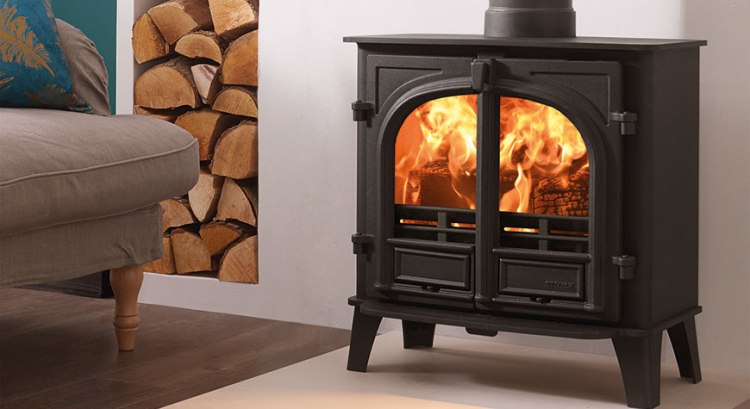
Hunter Stoves – Herald 5 Eco, double door
Choosing the Right Wood
The wood you burn makes a huge difference to performance. Always look for:
Seasoned or kiln-dried logsย with a moisture content below 20%. Wet wood produces more smoke, tar, and harmful particulates.
Locally sourced timber, which reduces transport emissions and supports the local economy.
Hardwoods such as ash, oak, or beech,ย which burn longer and hotter than softwoods.
Storing Your Fuel Correctly
Even the best logs wonโt burn well if theyโre stored badly.
Keep logs in aย well-ventilated store, ideally off the ground to prevent damp rising.
Protect your fuel from rain with a roof or cover, while leaving the sides open for airflow.
Stack your wood loosely rather than tightly, so air can circulate.
A simple log store in your garden can make all the difference, ensuring your fuel is always ready to go.
Efficient Burning Techniques
Modern stoves from brands like Barbas Bellfires, Nordpeis, and Arada are designed to be highly efficient, but your burning technique matters too.
Always useย small kindlingย to get the fire started quickly, try to avoid excessive use of paper, which creates ash and sparks.
Once lit,ย add larger logs gradually, allowing air to circulate.
Donโt overload the stove; it reduces efficiency and increases smoke.
Adjust theย air ventsย to maintain healthy flames.
The cleaner the burn, the more heat youโll feel in your room and the less pollution is released into the air.
Staying Legally Compliant in Scotland
Air quality is a priority in Scotland, and regulations exist to ensure stoves and fuel meet environmental standards.
From 2022, theย sale of wet wood and traditional house coal has been restricted; only dry, ready-to-burn fuel is permitted.
Always chooseย Ecodesign Ready stoves, such as those byย Stovax & Gazco or Hunter Stoves, which meet the latest efficiency and emission requirements.
If you live in or near aย Smoke Control Area, make sure your stove and fuel comply with local rules.
Living Fires can guide you through the right stove options to ensure your home is warm, stylish, and environmentally responsible.
Ready to Burn Smarter?
By choosing the right stove, fuel, and techniques, youโll not only enjoy a warmer home but also reduce your environmental impact. At Living Fires, we supply and install a wide range of eco-friendly stoves and fires from trusted brands including Morso, Stovax & Gazco, Arada, and more.
Visit our Edinburgh or Dunfermline showrooms to see the collection for yourself โ and let us help you find the perfect solution for efficient, sustainable heating.
When the weather turns, thereโs nothing quite like the draw of a glowing fire. But your fireplace or stove can do more than just keep you warm, it can elevate the look and feel of your whole space. Whether you’re planning a full interior refresh or just want to keep your setup feeling current, hereโs whatโs trending in the world of fires and stoves for Autumn/Winter 2025.
Design Trends: Sleek, Seamless, and Statement-Making
Minimalist is still going strong, and frameless fireplaces are leading the way. These clean, contemporary designs give the illusion of flame floating within the wall. All the drama, and zero fuss.
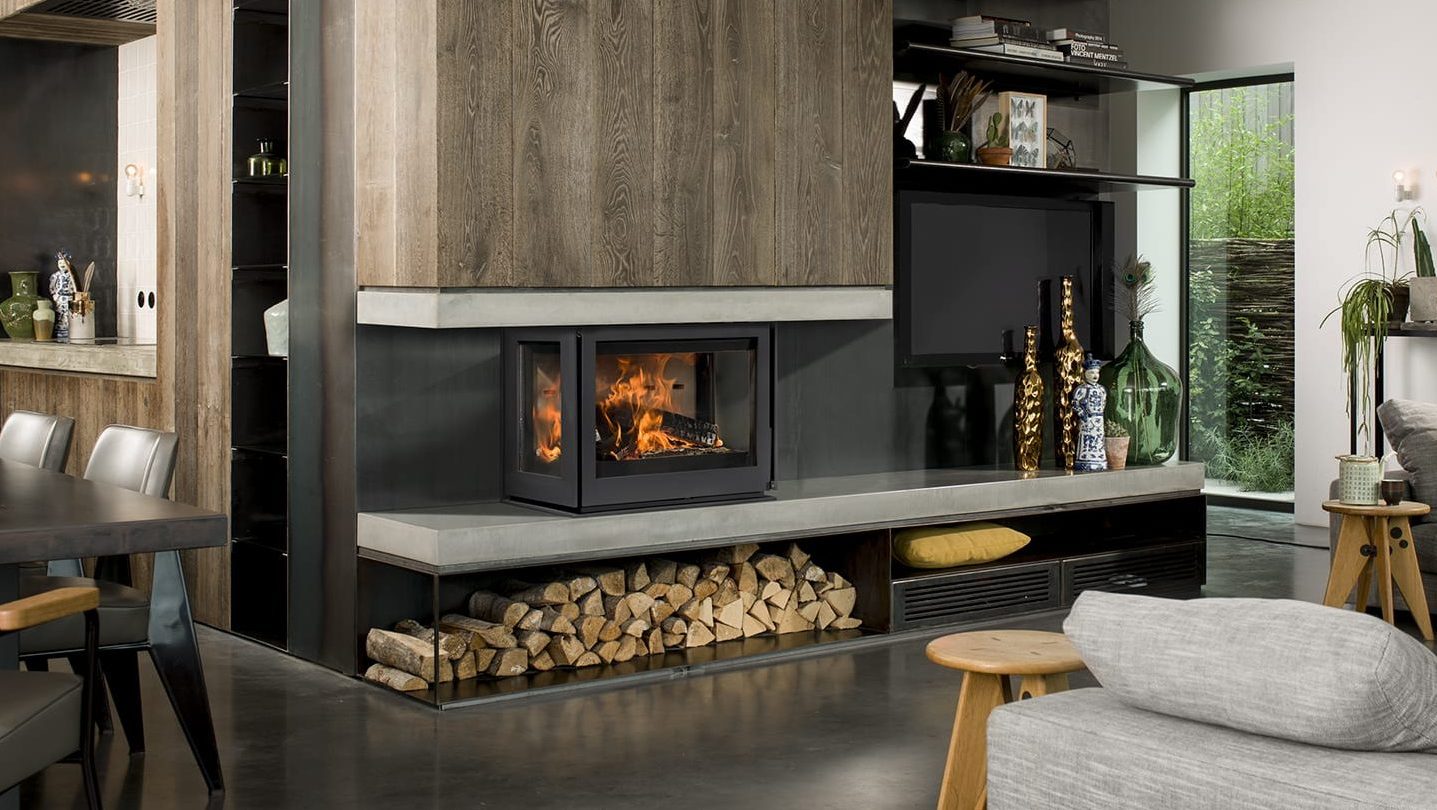
Two-sided and three-sided fires are also on the rise, especially in open-plan spaces where one fire can be enjoyed from multiple angles. Perfect for living rooms where you want to create different areas, dining spaces, or even open-plan kitchen/living hybrid rooms.
Eco-conscious? Youโre in good company. Customers are continuing to choose stoves and fires that offer high efficiency with lower emissions, especially wood burners that meet DEFRA and Ecodesign standards.
Materials: Tactile and Natural
Natural textures are continuing to make a big impression. Reclaimed wood surrounds, brushed metal trims, and slate hearths are popular for their timeless look and ability to balance rustic charm with modern style. These finishes not only ground the fire visually but also bring warmth and tactility to the space, even when the fireโs off.
Donโt be afraid to mix materials either. Pairing something industrial like black steel with a neutral limestone, adding natural warmth and texture, is bang on trend.
Tech Innovations: Fire at Your Fingertips
Smart fireplaces are becoming more accessible than ever. Remote control, app integration, and even voice activation are now available from top brands, making it easier to control your fireโs heat and flame effect from the sofa (or even before youโve left work).
Some electric models now come with customisable flame colours and realistic soundscapes, think crackles and embers on demand. Style and substance, with zero smoke.
Colours: Bold, Earthy, and Versatile
The tones we’re seeing this season are deep and grounding – olive green, soft beige, smoky greys and plenty of matte black. These rich hues complement the flicker of the fire while creating a calm and contemporary backdrop.
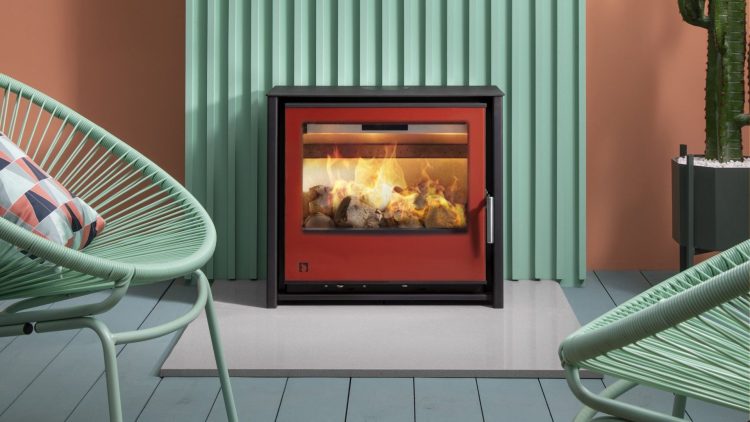
Colour isnโt just for walls either. Coloured stoves and tiled surrounds in statement tones are giving fireplaces more personality and individuality.
Function First: Efficient, Low-Maintenance Fires
As homes get smarter and more efficient, so do fires. Customers want models that donโt just look the part, they need to perform too.
High-efficiency wood burners, DEFRA-exempt stoves, and low-maintenance electric models are all in demand this year. Clean lines, less upkeep, and serious heat output.
At Living Fires, we work with trusted suppliers across the UK and Europe to bring you the very best in modern design, technology and performance. Whatever your space, weโll help you find a fire or stove thatโs right for you and make sure itโs styled to be the flames you desire.
Thereโs something timeless about the glow and crackle of a real wood-burning stove. Whether you’re upgrading your living space or exploring lower-cost, lower-impact heating, a stove can become the heart of your home while being both stylish and practical.
But if youโre new to the world of wood burners, itโs natural to have questions. Hereโs our straightforward guide to help you feel confident, informed and ready to make the most of your stove.
How Do Wood-Burning Stoves Work?
Wood-burning stoves are more efficient than open fires, thanks to clever air control and design.
Inside the stove, combustion happens in a sealed firebox. Air vents (usually at the top and bottom) let you control how much oxygen feeds the fire. The more air the livelier the burn; less air means a slower, longer-lasting heat. Many modern stoves use cleanburn or tertiary air systems, which help burn off more gases, making them cleaner and more efficient.
If you choose a DEFRA-exempt model, itโs also approved for use in smoke control areas (more on that below).
How to Start and Maintain a Fire (Without the Stress)
Lighting a stove is a simple skill once you get the hang of it. Hereโs a no-fuss method:
1. Open the air vents fully โ your stove needs plenty of oxygen to get going.
2. Place kindling in a criss-cross shape with a natural firelighter underneath (avoid firelighters with paraffin if possible).
3. Add one or two small logs on top โ donโt overload it at this stage.
4. Light the firelighter, close the door, and watch it catch.
5. Once the fireโs well established, add more logs gradually and adjust the vents to control the burn.
Keep it burning cleanly, no smouldering or slumbering fires, and always follow the manufacturerโs guidance.
Stove Maintenance Basics
Looking after your stove doesnโt take long but makes all the difference in performance and longevity.
Glass cleaning: If the glass blackens, let it cool, then use stove glass cleaner or a damp cloth dipped in wood ash. Regular burning of well-seasoned wood also helps prevent soot build-up.
Ash removal: Empty the ash pan regularly (when the stove is cool), but leave a thin layer in the base โ it helps insulate and support the fire.
Chimney sweeping: Book a professional sweep at least once a year, ideally before winter. If youโre a heavy stove user, you might need a mid-season clean too.
Fuel Tips: Get the Wood Right
What you burn matters.
Use seasoned hardwood like ash, oak or beech, with a moisture content below 20%. Look for the Woodsure โReady to Burnโ logo.
Avoid softwoods (like pine) or unseasoned โgreenโ wood. They burn too fast, create more soot, and can damage your flue.
Store it well, ideally in a dry, ventilated log store, off the ground and protected from rain. If youโre stacking indoors, keep a small supply nearby, but donโt bring in loads at once (moisture from the house can seep in).
Legal Guidelines in Scotland
Wood-burning stoves are legal in Scotland, but there are some key things to know:
Many towns and cities are designated Smoke Control Areas.
If you live in one of these areas, you can only burn authorised fuels or use a DEFRA-exempt stovedesigned to emit minimal smoke.
You can check if you’re in a Smoke Control Area via your local council or the Scottish Government website.
Also, if you’re installing a new stove, it must comply with Ecodesign regulations all the stoves we supply meet (or exceed) these standards.
Thinking About Getting One?
Whether youโre drawn to the look, the feel or the eco-friendly credentials of a stove, weโre here to help you choose the right one and make sure it works for your space, lifestyle, and local regulations.
Pop into one of our showrooms or give us a call if youโd like a hand getting started.
Simple ideas to make your fire the star of the room all year round.
A fireplace is more than just a heat source; itโs a natural focal point. Whether youโve chosen a classic stove or a sleek, modern gas fire, how you style the space around it can make all the difference. Here are some straightforward, effective ways to make your fire stand out for all the right reasons.
Choosing Paint Colours That Work With Your Fireplace
Want your fireplace to pop? Itโs all about contrast.
If youโve got a dark fire surround such as black cast iron or deep slate, go for lighter walls to help it stand out. Crisp whites, soft greys, or even magnolia (making a big comeback in 2025 interior trends!) will do the trick. However, if your fire surround is pale ( for instance limestone or micro marble), darker and richer wall colours will frame it beautifully.
Prefer a neutral palette? Add depth by experimenting with different finishes. We like matte on the walls and eggshell on trims, it keeps things interesting without going bold.
Create an Accent Wall Around the Fireplace
If youโre up for something a bit braver, an accent wall can elevate the whole room. Textured paints, bold colour blocks, or wallpaper behind the fire can draw the eye and make the space feel designed, even if everything else is simple.
Some of our favourite looks:
โข Soft botanical wallpapers paired with traditional stoves
โข Charcoal paint behind a white fireplace for drama
โข Terracotta tones for a warm, cosy vibe year-round
If youโre going for wallpaper, make sure itโs heat-resistant and not too close to the fire, safety first!
Furniture Placement: Donโt Block the View
The golden rule? Let your fire breathe.
Try to place seating so it frames the fireplace, not competes with it. Position armchairs at angles to draw attention inward, or anchor your sofa opposite the fire with a rug and coffee table in between.
Make sure thereโs enough space to walk past the fire comfortably, especially if youโve got a stove that needs refuelling.
Styling for the Seasons (and Beyond)
A few easy swaps can take your fireplace from a winter centrepiece to summer focal point.
Winter: Think log baskets, lanterns, chunky throws, and natural textures.
Spring/Summer: Try a large mirror or statement artwork above the mantel, vases with fresh or dried flowers, and light, airy accessories like ceramics or coastal-style ornaments.
Even when your fireโs off, the surround can still feel intentional. A summer wreath on the chimney breast, or a group of candles in the hearth, keeps the space feeling warm just in a different way.
Light It Right
Lighting can really enhance your fireplace setup, especially in the evenings and dark Scottish winter months.
โข Wall lights on either side of the chimney breast add a soft glow and help balance the layout.
โข Picture lights above a mantelpiece are great if youโve styled with art.
โข Uplights at the base of the chimney breast or behind a freestanding stove can add atmosphere without overpowering the fire itself.
And donโt forget natural light. If your fireโs in a darker corner, mirrors and soft furnishings in lighter colours can help bounce daylight around the room.
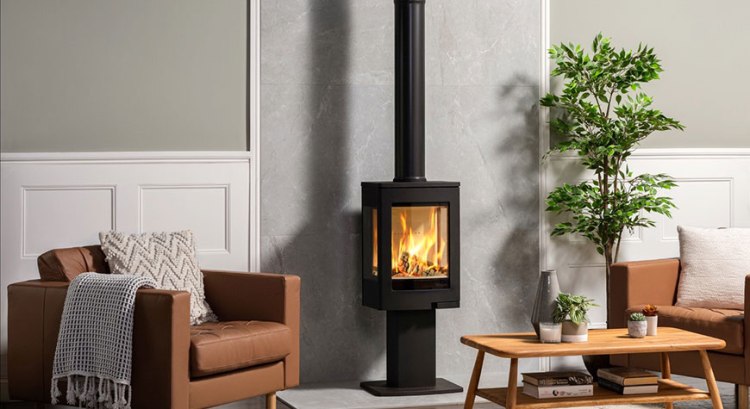
You donโt need to be an interior designer to make your fireplace look good. A few well-chosen colours, some clever styling, and the right lighting can transform your living space and show off your fire at its best, lit or unlit.
Thinking about upgrading your fireplace? Weโre happy to help you find a style that fits your home perfectly. Pop into one of our showrooms or check out our website for inspiration.
When navigating the world of fireplaces, gas fires, electric fires, and wood-burning stoves, youโll encounter a variety of technical terms and industry jargon. Understanding these key terms is essential for making informed decisions about the right heating solutions for your home.
Below, weโll explore the most common terminology used in the fireplace and stove industry to help demystify the process and guide you through your choices.
Glossary of Fireplace Terms:
Aperture The aperture refers to the opening in a wall or chimney breast designed to house a fireplace. This opening is also known as the fireplace recess. Traditionally placed close to the floor, many newer designs feature inset fireplaces that are installed higher up the wall.
Air Vent Air vents are legally required in rooms with gas or solid fuel fires. Insufficient airflow can cause dangerous gases, like carbon monoxide, to be vented into the living space, potentially leading to fatal consequences.
Back Panel A back panel is the vertical surface located at the rear of a fireplace or stove, often made of materials like stone, metal, or heat-resistant board, designed to enhance aesthetics, protect the wall from heat damage, and reflect heat into the room for improved efficiency.
Baffle A baffle is a component within a fireplace, stove, or flue system designed to direct the flow of smoke and gases, improve combustion efficiency, and reduce heat loss by forcing the hot gases to travel a longer path before exiting, thereby enhancing heat exchange and overall performance.
Balanced Flue Gas Fire A balanced flue gas fire is ideal for homes without an existing chimney. These units are sealed and function by drawing in external air and venting combustion gases outside through a dual pipe system. They are highly efficient since less heat escapes compared to traditional chimney-based systems.
Benches Steel benches are a wood-burning stove accessory that creates an adaptable alternative to traditional โon hearthโ mounting. To complement contemporary stoves that we stock, we offer several sizes of bench to which these stoves may be secured.
BTU (British Thermal Unit) BTU measures heat energy and is defined as the energy required to raise the temperature of one pound of water by one degree Fahrenheit. On our site and in our social media, we use kilowatts
Cap (Capper) A cap, often referred to as a chimney cap, is a protective cover placed on top of a chimney flue, designed to prevent rain, debris, and animals from entering the chimney while also helping to reduce downdrafts and improve ventilation for more efficient smoke expulsion.
Chamber Lining Chamber lining panels refer to the material that lines the interior of a fireplace or stoveโs combustion chamber, designed to protect the structure from high temperatures, improve heat retention and distribution, and enhance overall efficiency while also providing a barrier against corrosive gases and soot buildup.
Chimney Chimneys operate by circulating warm air upward, allowing smoke and gases to escape safely from the home.
Class 1 Chimneys: These traditional chimneys are wide, allowing for the installation of deeper fires and stoves.
Class 2 Chimneys: Found in newer homes, these shallower chimneys are built into external or internal walls and are more suited to slimline fires.
Chimney Breast A chimney breast is the protruding section of a wall that houses a chimney and its flue, typically extending from the roofline down to the floor, and is designed to support the fireplace or stove while providing space for smoke and gases to vent safely outside.
Closure Plate A closure plate, sometimes referred to as a register plate, is a flat metal or other material panel used to seal the opening of a chimney or flue, helping to regulate airflow and improve the efficiency of heating systems while preventing unwanted drafts.
Convection Heat Convection heat is generated when warm air rises and cooler air moves into warmer areas, circulating heat throughout a room.
Corbels Corbels are decorative brackets that support the mantel or shelf above the fireplace opening, made from wood or stone they add visual interest and architectural detail while also providing structural stability to the mantel.
CORGI Formerly the gas safety registration body in the UK (1970โ2009), CORGI is now a voluntary registration system for various trades. As of 2012, all gas engineers must be registered with the Gas Safe Register by law.
Creosote Creosote is a flammable, tar-like substance that accumulates inside chimneys and flues as a byproduct of burning wood and other organic materials, forming when smoke cools and condenses; it poses a significant fire hazard and requires regular cleaning to prevent chimney fires.
Damper A damper is a movable plate or mechanism installed within a chimney or fireplace that regulates airflow, allowing users to control the intensity of the fire and prevent heat loss when the fireplace is not in use by sealing off the flue.
DEFRA The Department for Environment, Food & Rural Affairs (DEFRA) oversees environmental protection in the UK. Under updated clean air legislation, including the Environment Act 2021, it is illegal to emit smoke in designated smoke control areas unless using DEFRA-exempt appliances or authorised fuels.
Direct Spark Ignition Direct spark ignition is an electronic method for lighting gas burners, eliminating the need for a continuously lit pilot light.
Eco Design Ready (2022) The Eco Design 2022 directive by the European Union sets stricter regulations for solid fuel-burning appliances to enhance energy efficiency and reduce harmful emissions, promoting cleaner technologies and supporting broader environmental goals. We go into what it means in more detail on our dedicated blog: https://livingfires.co.uk/2020/10/14/ecodesign-ready-explained/
Efficiency Fireplace efficiency refers to how effectively energy used for heating is converted into actual heat output. Most gas and solid fuel fires arenโt fully efficient since some heat escapes through the chimney. However, glass-fronted fires can be over 80% efficient, and electric fires are considered 100% efficient.
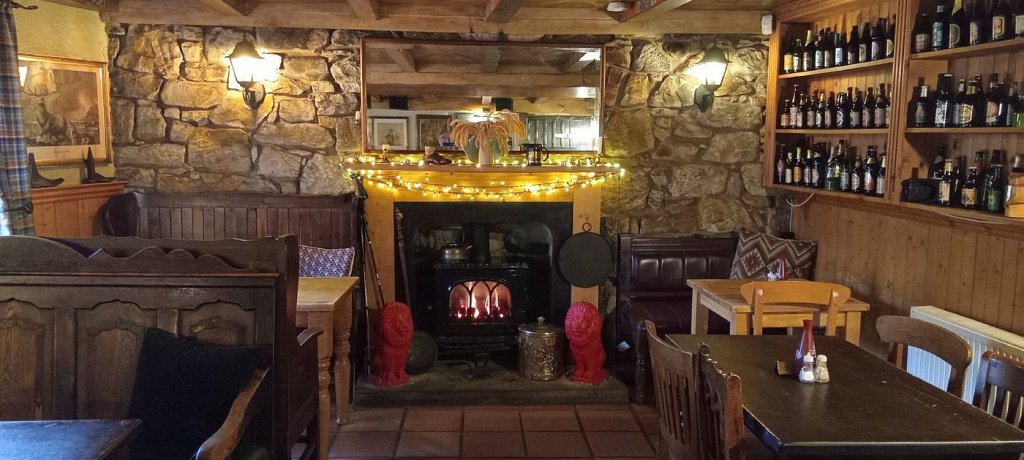
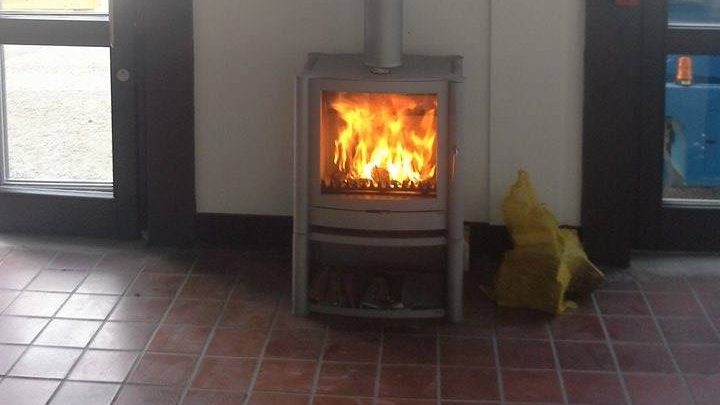
Electric Fires Electric fires (and stoves) are a versatile heating option that doesnโt require a chimney. Typically offering up to 2kW of heat, they often have adjustable heat settings and a flame-only mode. Electric fires are highly efficient, as all the energy consumed is converted into heat. Want to learn more โ read our focused blog: https://livingfires.co.uk/2021/06/17/electric-fires-and-stoves/
Emissions Emissions are the gases released during combustion, such as carbon monoxide, carbon dioxide, nitrogen oxides, and particulate matter, vented outside via chimneys or flues.
Fender A fender is a low, protective barrier placed in front of a fireplace, often made of metal or other fire-resistant materials, designed to contain embers and prevent them from escaping into the room, while also serving as a decorative element that enhances the fireplaceโs aesthetic appeal.
Firebrick Firebrick, also known as refractory brick, is a type of brick specifically engineered to withstand high temperatures and thermal shock, commonly made from vermiculite or concrete used in the construction of fireplaces, kilns, and furnaces to provide insulation, durability, and heat retention.
Fire Dogs or Andirons Fire dogs, also known as andirons, are metal supports used in a traditional wood-burning fireplace to hold logs in place, allowing air to circulate around the fire for improved combustion, while also serving as decorative elements that enhance the aesthetic appeal of the fireplace.
Fireplace Inserts (Inset) Fireplace inserts are heating units that retrofit into existing masonry or factory-built fireplaces.
Flueless Gas Fires Flueless gas fires donโt require a chimney, as combustion gases are filtered through a catalytic converter. These fires are highly efficient but require proper ventilation and are typically used as supplementary heating sources.
Flexible Flue Liner A flexible flue liner is a bendable, stainless steel tube installed inside an existing chimney to improve safety and efficiency. It helps contain the combustion gases, prevents leaks, and protects the masonry from heat and corrosive by-products. Flexible flue liners are commonly used for wood-burning stoves or gas fires, especially in chimneys that are older or have bends.
Free Standing Stove A freestanding stove is a heating appliance that rests on a pedestal and operates independently of any fireplace, providing flexible placement options on 4 legs.
Fret A fret is the decorative front panel of a fireplace that covers the fire basket and ashpan. Many modern gas and electric fires also feature interchangeable frets.
Gas Safe Register Since April 2009, the Gas Safe Register has replaced CORGI as the UKโs official gas safety body. By law, all gas engineers must be listed on the Gas Safe Register to carry out gas-related work.
Hearth The hearth is the fire-resistant floor area of a fireplace, often made from brick or stone. It helps prevent fires from spreading within the home. For solid fuel fires, a special โslabbedโ hearth may be necessary. There are different types of hearth and you can find our more about them here: https://livingfires.co.uk/2025/03/21/understanding-hearth-and-bench-options-for-wood-burning-stoves/
HETAS HETAS is the UKโs official body for approving solid fuel heating systems, including appliances, fuels, and services. They also maintain a register of competent installers.
Limestone Limestone is a sedimentary rock formed from compacted fossils and organic matter. It comes in various colours, from white to beige, depending on its origin.
Lintel A lintel is a horizontal structural steel or concrete reinforced beam placed over a fireplace opening to support the weight of the materials above it, ensuring stability and integrity in the building structure.
Mantle A mantel, also known as a mantlepiece, is a decorative shelf or framework that surrounds the upper portion of a fireplace, often serving as a focal point in a room and providing a surface for displaying decorative items such as photos, clocks, or candles.
Marble Marble is a natural stone formed under intense heat and pressure, often used for its decorative appeal in fireplace surrounds.
Micro Marble Micro marble is a manufactured material made from crushed marble mixed with resins. It resembles natural marble but lacks the veining patterns.
Period Fireplaces Period fireplaces recreate styles from past eras, such as the Georgian, Victorian, Edwardian, and Art Nouveau periods, often featuring detailed designs and materials like cast iron or marble.
Pilot A pilot is a small, continuous flame used in gas appliances, such as fireplaces and heaters, to ignite the main burner when the appliance is turned on, ensuring a safe and efficient ignition process.
Pre-cast Flues These are shallow chimneys found in modern homes, typically situated within walls and allowing for the installation of gas fires without the need for a full chimney breast.
Rebate A fireplace rebate refers to the recessed section at the back of a fireplace surround, designed to create additional depth for fitting appliances like inset gas or electric fires, especially when wall space is limited or to accommodate different fire types.
Slip Fireplace slips are narrow panels, typically made from materials like stone or metal, that are fitted around the inner edges of the fireplace opening. They serve both a decorative and functional purpose, helping to frame the fire while covering any gaps between the fire surround and the fireplace opening.
Smoke Control Areas Smoke control areas were introduced to tackle air pollution and still apply today in many parts of Scotland. In these areas, you can only burn authorised fuels or use DEFRA-exempt appliances that meet current emissions standards.
Storm Collar A storm collar is a fitting used around the chimney pipe where it passes through the roof, designed to create a watertight seal that prevents rain and snow from entering the chimney system, thereby protecting the interior of the home from moisture damage.
Surround A fireplace surround is the decorative framework or enclosure that surrounds a fireplace opening, typically made of materials like stone, brick, or wood, and serves both aesthetic and functional purposes, enhancing the overall appearance of the fireplace while protecting the wall from heat and soot.
Twin Wall Flue A twin wall flue is a type of chimney system made up of two layers of stainless steel with insulation in between. This design helps maintain the flueโs temperature, improving efficiency and safety by preventing condensation and reducing the risk of heat transfer to nearby combustible materials. Twin wall flues are often used in homes without traditional chimneys to safely vent wood-burning stoves or other heating appliances.
Have questions? Our team is happy to guide youโjust pop into our Dunfermline showroom or give us a call.