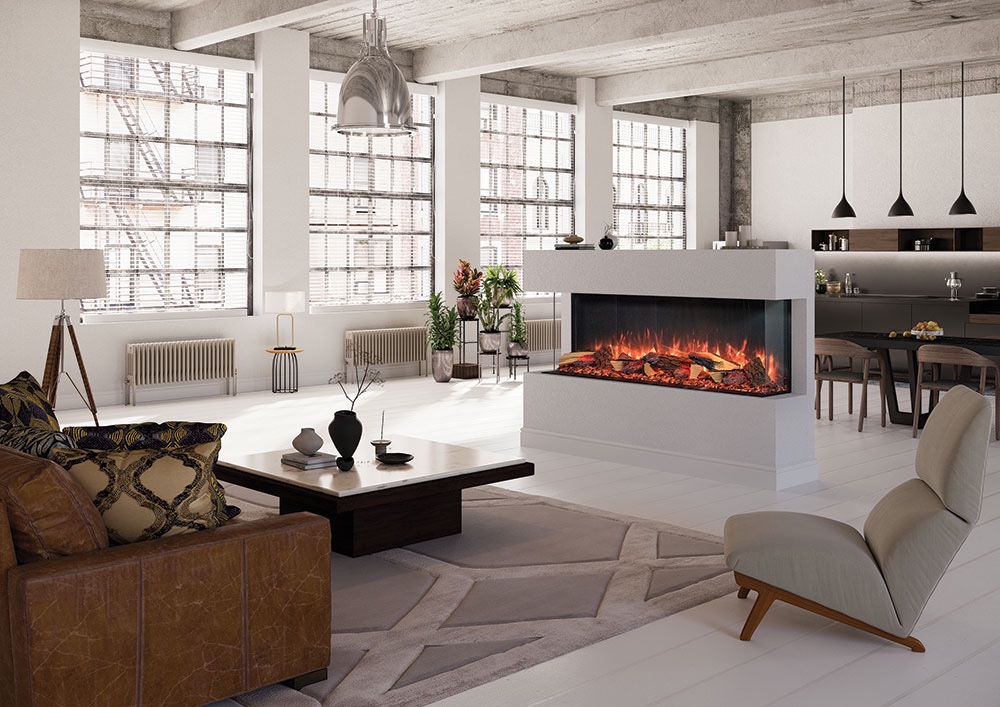

Lavender Dreams: How to Create a Tranquil Interior on a Budget.

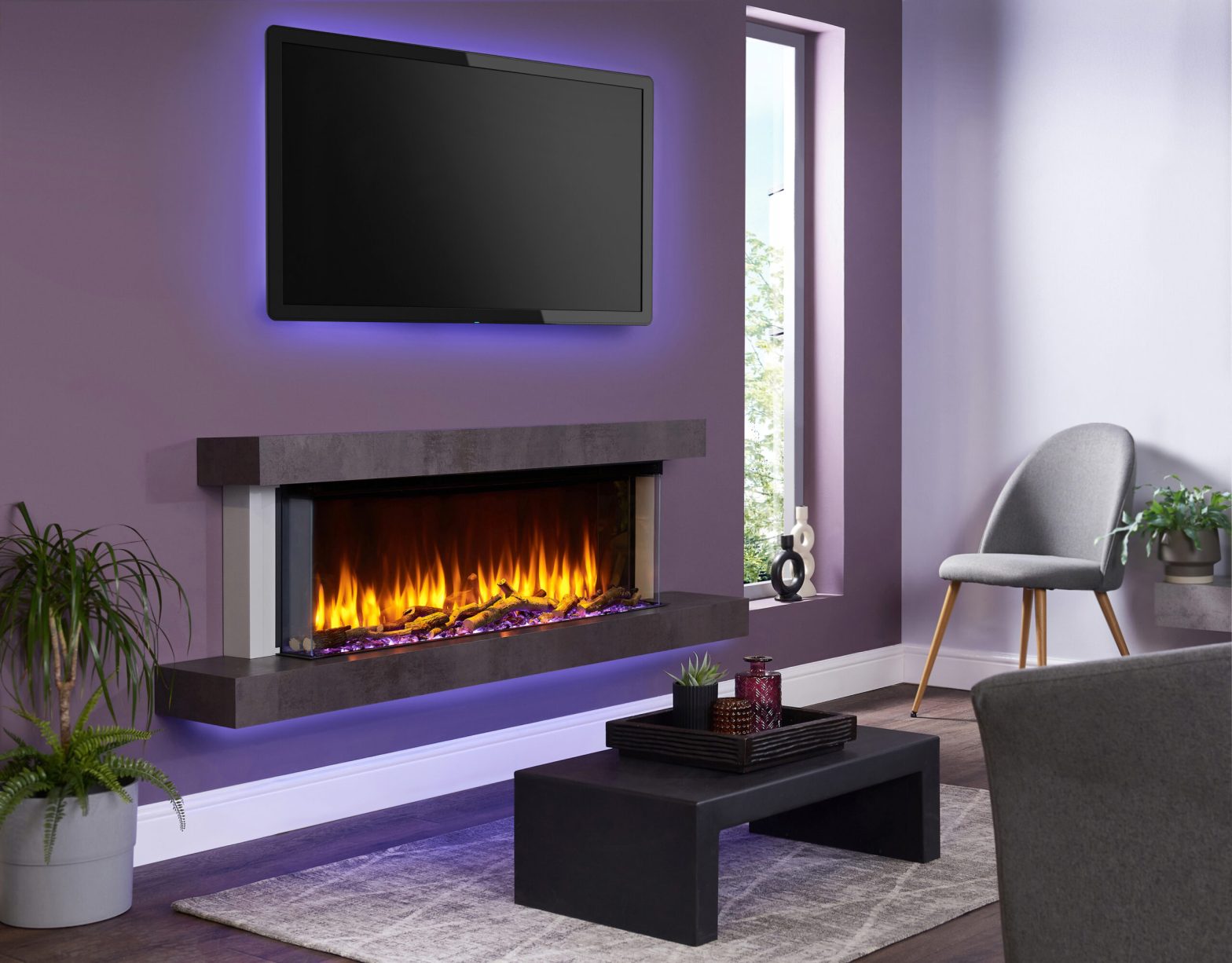
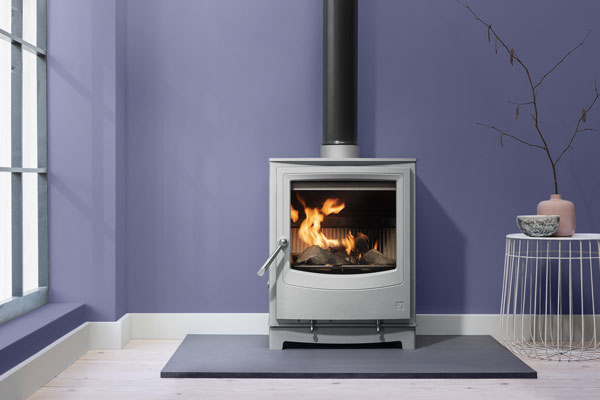
Lavender, a delicate and soothing shade of purple, has the power to transform any space into a tranquil retreat and thanks to our obsession with retro nostalgia it’s having a major comeback moment. With calming and elegant qualities, it makes an excellent choice for interior design.

In this blog, we’ll explore the versatility of lavender in interior design and provide budget-friendly tips on how to incorporate this lovely hue into your home. 

THE VERSATILITY OF LAVENDER

Lavender is a versatile colour that can be used in various design styles, from classic to contemporary. Here are some reasons why lavender is an excellent choice in modern interior design: 

1. Calming Effect: Lavender is known for its calming properties, making it ideal for bedrooms, living rooms, and meditation spaces. 

2. Timeless Elegance: Lavender exudes a sense of timeless elegance, lending a touch of sophistication to any room. 

3. Gender-Neutral: Lavender is a gender-neutral colour, making it suitable for various spaces, including nurseries and shared living areas. 

4. Pairing Possibilities: Lavender pairs beautifully with a wide range of colours, including soft pastels, neutrals, and even bolder hues, allowing for flexible design options. 

BUDGET-FRIENDLY WAYS TO INCLUDE LAVENDER: 

PAINT AN ACCENT WALL 

Painting an accent wall in lavender is an affordable way to introduce this colour into your space. It creates a focal point and adds a pop of colour without requiring a large quantity of paint. Alternatively, Lavender wall decals or stickers are an inexpensive way to add a touch of lavender to any room. They’re easy to apply and remove when you want a change. 

LAVENDER ACCESSORIES AND DECOR 

Invest in lavender throw pillows, curtains, or area rugs to infuse your existing decor with this soothing hue. Incorporate lavender decor items like candles, vases, and picture frames into your design. These small touches can have a big impact on the overall ambience. Search for budget-friendly lavender-themed art prints or posters online. Many artists offer digital downloads that you can print and frame yourself, saving on the cost of custom framing.

 SECOND-HAND FINDS 

Scour second-hand stores for lavender-coloured furniture pieces or decorative items. You can often find unique pieces at budget-friendly prices that can become standout features in your design. 

DIY PROJECTS 

Get creative with DIY projects. Repurpose old furniture with a fresh coat of lavender paint or create lavender-themed artwork to hang on your walls. Give your existing decor items a lavender makeover by using lavender spray paint or fabric dye. This cost-effective solution breathes new life into your space. 

LAVENDER PLANTS 

Real lavender plants not only add a delightful fragrance but also introduce the colour naturally into your space. Place potted lavender plants on windowsills or tabletops.   

Lavender is a great versatile and budget-friendly choice for interior design. With a little creativity and resourcefulness, you can easily incorporate this trending colour into your home without breaking the bank. Whether through paint, accessories or DIY projects, adding touches of lavender can freshen up your living space, creating a beautiful and harmonious environment to enjoy.

Hot Cross Buns, Hot Cross Buns…

One a penny, two a penny, hot cross buns! Do you remember the rhyme? Hot cross buns have been around since around the 16th century. No one knows for certain when the tradition began, but around this time in England, bakers were limited by law to occasions when this special dough could be made. Good Friday was one; ‘cross buns’ marked this holy day towards the end Lent. 

There are other claims as to the origin of hot cross buns. Some believe people marked their bread with a cross prior to baking to ensure the devil wouldn’t get at the food, while others suggest the hot cross bun originated from the Anglo-Saxon pagan sacramental cakes eaten during the ritual feast to honour their spring goddess, Eostre. 

As with most foods bound to religion, the hot cross bun became associated with several superstitions. The Anglo-Saxon pagans believed that the buns would last a whole twelve months before turning mouldy and would often hang them up in the home to ward off fire and evil forces. Sailors would take hot cross buns to sea in the belief they would act as a deterrent against shipwreck whilst farmers deemed them sufficient to protect their grain from rats. Moreover, the buns were said to possess mystical properties that could cure certain illnesses. 

Hot cross buns are a traditional Easter food, they’re yeasted sweet buns filled with spices and various fruits such as currants, raisins, and/or candied citrus. They’re decorated with a white cross, either marked right into the dough or etched on top with icing.  The buns are best served hot, hence how they received their name.

So history lesson over, let’s skip to the good bit! Did you know you can cook hot cross buns in your pizza oven?! Just follow this great recipe below.

Pizza Oven Hot Cross Buns!

Equipment

Cast Iron Skillet or Pan

Ingredients

Makes 11 buns

40g unsalted butter
250g milk 
450g white bread flour
1 sachet (7g) instant dry yeast
60g caster sugar
4g salt
1 egg, whisked
1 tbsp sunflower oil, for greasing
150g dried mixed fruit
1 tsp cinnamon
½ tsp ginger
60g plain flour
Water
2-3 tbsp apricot jam

Method

In a saucepan, bring the milk to a boil and melt in the butter. Mix thoroughly and leave to cool until warm to the touch.

In a large mixing bowl, add the flour, yeast, salt, and sugar and mix well to combine. Make a well in the centre and add the warm milk-butter mix, along with the whisked egg. With a wooden spoon, mix the ingredients until a rough dough comes together. Tip the contents onto a floured surface and knead for 5-10 minutes until the dough is smooth. We recommend using a dough scraper to handle the dough as it is quite sticky. 

Shape the dough into a ball and coat the mixing bowl with sunflower oil. Place the dough back inside and cover with a damp towel or plastic wrap. Leave to rest for an hour in a warm place until the dough has doubled in size. 

In the bowl, add the cinnamon, ginger, and mixed fruit to the dough. Knead with your hands until all the fruit and spice are evenly distributed. Cover and leave for a further hour.

Line your skillet or pan with a disc of parchment paper and oil the sides to prevent the buns from sticking. Tip the dough onto a lightly floured surface and divide it into 11 equal pieces, weighing roughly 85g each. Roll each piece into a ball and place them into the skillet, leaving a cm of space between each bun. Once the skillet/pan is full, cover and leave it for a final hour to rest. 

In a bowl, mix the plain flour with a few tbsp of water until a smooth, thick paste forms. Transfer the mix to a piping bag (or sandwich bag with a corner snipped off) and pipe a cross over each bun. 

Fire up your Pizza Oven. If using gas, turn the oven on to high and preheat for at least 20 minutes. Turn the oven off and place the skillet/pan inside to bake in the residual heat for 10 minutes, turning the pan 180˚ after 5 minutes. After 10 minutes, turn the oven back on to low. Cook the buns in the flames for an extra 4-6 minutes, rotating the pan every 45 seconds to ensure an even cook. 

If using wood, preheat the oven on a low flame until the stone is around 315˚C (600˚F). Place the skillet/pan in the oven and let the pizza cook for 8-10 minutes with the door off, turning the pan halfway. Once the buns are puffed up and lightly coloured, spike the flame with a piece of wood and let the flames colour the crusts for a few minutes on each side. 

Remove the skillet/pan and leave to cool slightly while you prepare the glaze. Simply heat a few tbsp of smooth apricot jam and brush over the buns. Once the jam has cooled, tear into your buns as soon as you wish. Delicious cut in half and slathered with butter, served alongside a hot cup of tea. Enjoy!

Creating an Outdoor Living Area

The clocks have gone forward, and British summertime has begun! Warmer days are just round the corner. Time to start planning projects for the fifth room of the house, your garden! We’ve pulled together some great, easy and even cost-effective ideas to help you create an inviting and purpose-fit outdoor living space this year.

SUN’S OUT, LEGS OUT.

We’re talking about chair legs of course! Bring a ray of sunshine into your garden with a bright, eye-catching table and chair set. Capri mesh bistro sets are ideal to fit into a small area, especially if it’s a place that only gets the sun at a set time. Create a haven for al fresco breakfasts or morning coffee and you’ll be dining out in style as soon as the sun rises.

If you’re tight on space, it’s worth considering your storage options when it comes to seating. Foldable or stackable items really come into their own here.

TABLE FOR TWO?

Are you usually setting the table for two but need to have the option for more? Extendable tables aren’t just for dining rooms there are plenty of outdoor configurations too, making the table an ideal size no matter how many are gathering around it.

SHADES ON.

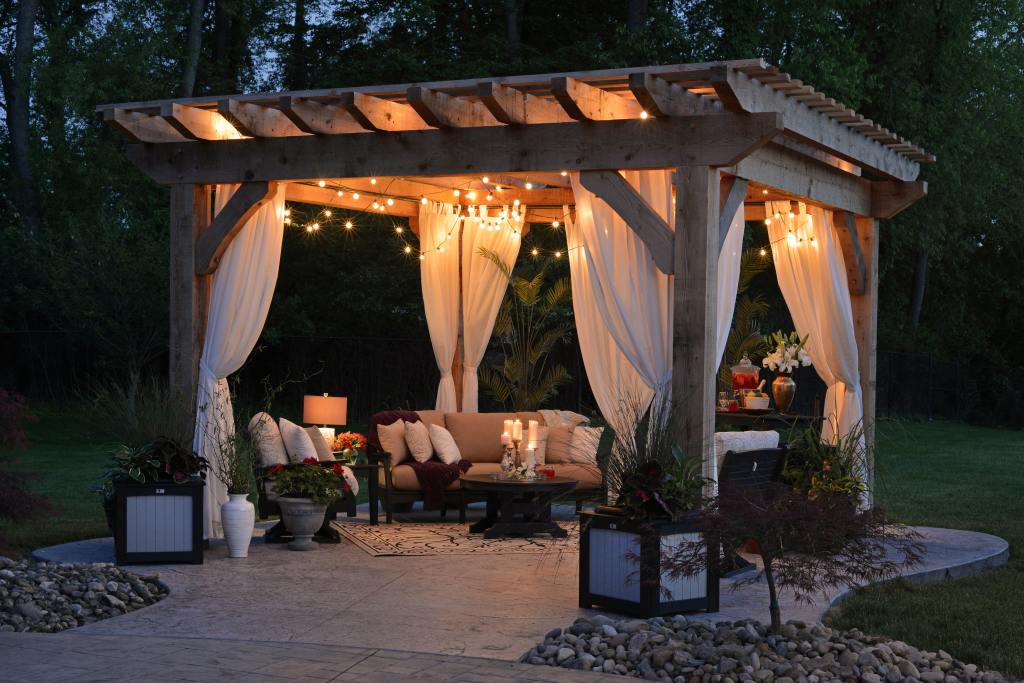
Whilst the sun isn’t always guaranteed in Scotland a stylish structure to protect you from the elements enables you to utilise your outdoor space in all weathers.

Gazebo sails are an excellent addition to the garden, quick to assemble, great for parties and suitable for all weathers.

If you’re looking for something more enduring a pergola may be the answer for you. Painted to tie in with your outdoor furniture they help create a permanent and sheltered outdoor living area.

ADD POTS OF STYLE

Liven up the area by adding plant pots styled to match your outdoor furnishings. Ideal for hiding ugly drainpipes, injecting colour, adding delicate interest and making centrepieces. Flowerpots are a great designer touch to any garden. Why not build a herb display into your design? Perfect for instantly adding to BBQ delights.

LIGHT UP YOUR WORLD.

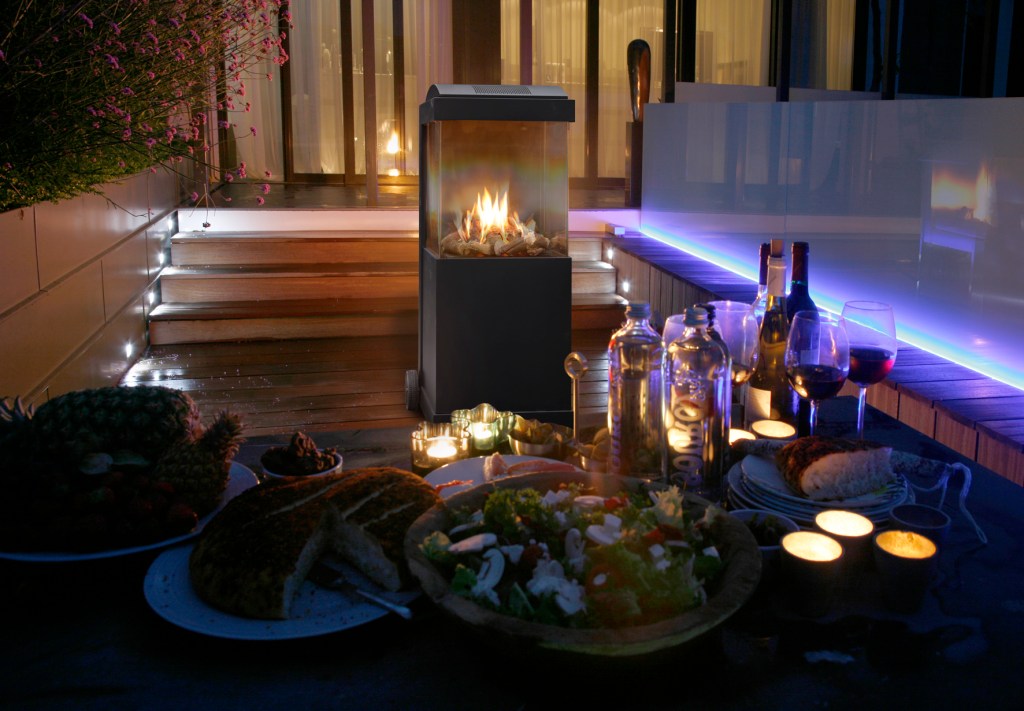
Just because the sun sets the party doesn’t have to stop! Lanterns, festoon lights and strung-up solar bulbs all add to the aesthetics of your space and help you to keep using it as the nights draw in. 

WHIP UP A STORM

In your outdoor kitchen! A guaranteed way to bring the WOW factor to your garden. Nothing says ‘summer’ more than inviting your friends round to enjoy the rays in the garden and dine alfresco. Once you’ve fired up the barbeque or pizza oven for the first time you’ll never want to use the kitchen again! There are appliances suited to all sizes of spaces, from grills to pizza ovens and endless recipes to be sampled too.

GATHER ROUND, GATHER ROUND

In our, clearly biased opinion, no outdoor living area is complete without a feature fireplace. The Nordpeis Air is an excellent addition to any garden and comes in a variety of forms. First released in the summer of 2022, the Air outdoor fire range is designed to deliver everything you need to hold off the evening chill in style. Don’t forget to have a supply of marshmallows and long skewers at the ready, no summer night is complete without s’mores!

How to Recycle Your Old Fireplace

We’re frequently asked, ‘How do I recycle or dispose of my old fireplace?’. So, we’ve popped together a few ideas to help inspire you and save these often beautiful items, from ending up in the landfill.

Whether you’re completely dismantling the entire fireplace and surround, getting rid of an old fire appliance or removing an insert, it is important you do it the right way. The first thing you need to do is establish exactly what it is you need to repurpose or recycle. Are you simply replacing an old insert or appliance with a new one or are you removing the entire surround and hearth too? This will determine exactly what you require to recycle and what you need to do.

RECYCLING CENTRES

Most local authorities run one or more household waste recycling centres where items such as old pieces of furniture, fridges, freezers and yes, even fires can be safely disposed of. We would always recommend that you phone your local household waste recycling centre first to make sure they will take your old fire before you make the journey. 

ARCHITECTURAL SALVAGE

Depending on the age of your fireplace, surround and/or mantlepiece you could sell it to a reclamation company. Google ‘architectural salvage’ in your area to see who’s near you. 

If you do decide to sell your fireplace, we advise the following steps before it’s replaced and while it’s still in situ:

  • Give it a wipe-down with a dry duster or damp cloth to get rid of any dust or grime. When cleaning your surround or insert do not use cleaning products such as Brasso, these can cause irreparable damage and remove the original finish that is highly sought after in the second-hand market. 
  • Take plenty of well-lit photos of your fireplace that you can send to the people who might be interested.

Should an architectural salvage expert be interested in your surround or insert you should arrange removal in collaboration with them. They can advise you on the best steps for this as the last thing they want is for you to attempt to remove it and damage it in the process. 

PRIVATE SALE

You can also choose to sell your fireplace online. Facebook Marketplace, eBay and Gumtree are all obvious choices but there are others available of course.

AUCTION

Another option for disposing of your old fireplace surround or insert is to auction it off.  There are plenty of online and High Street auctioneers who would be happy to help you auction off your old fireplace provided it is of genuine sufficient value. 

REUSE

Old mantlepieces can become attractive furnishings in any living space and there are some great ideas around to repurpose them. We’ve got together some top ideas for you to help inspire your fireplace’s next life. 

  • An old mantel can be used as a blackboard frame, this would go this can look great in an open-plan kitchen area or in a children’s playroom.
  • You could use your fire surround as a floor-mounted frame for unusual artefacts found in antique and charity shops. Ideas could be a battered trunk, a birdcage or even an old set of bowling pins. Anything that catches your eye can work as a styling tool so long as it fits in the space. It’s a good idea to take the dimensions of the inside proportions when you’re shopping to make sure you come home with a piece that works.
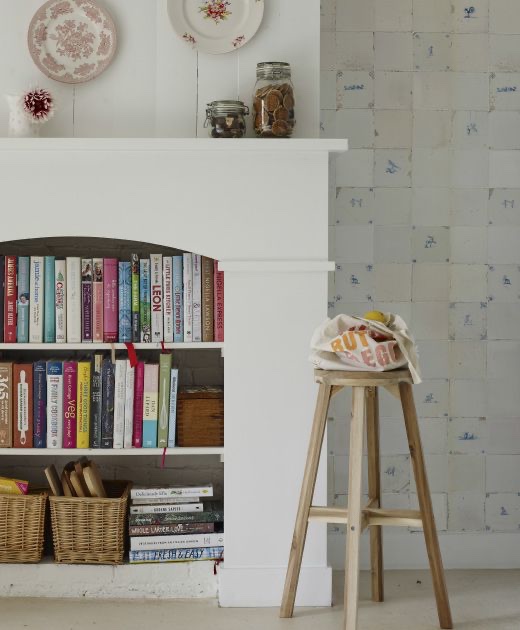
  • Another idea is to use it as a different type of bookshelf fitting the fire space with shelves and stacking books in the area. For even more punch, try brushing a few coats of saturated colour like bright blue on the shelves.
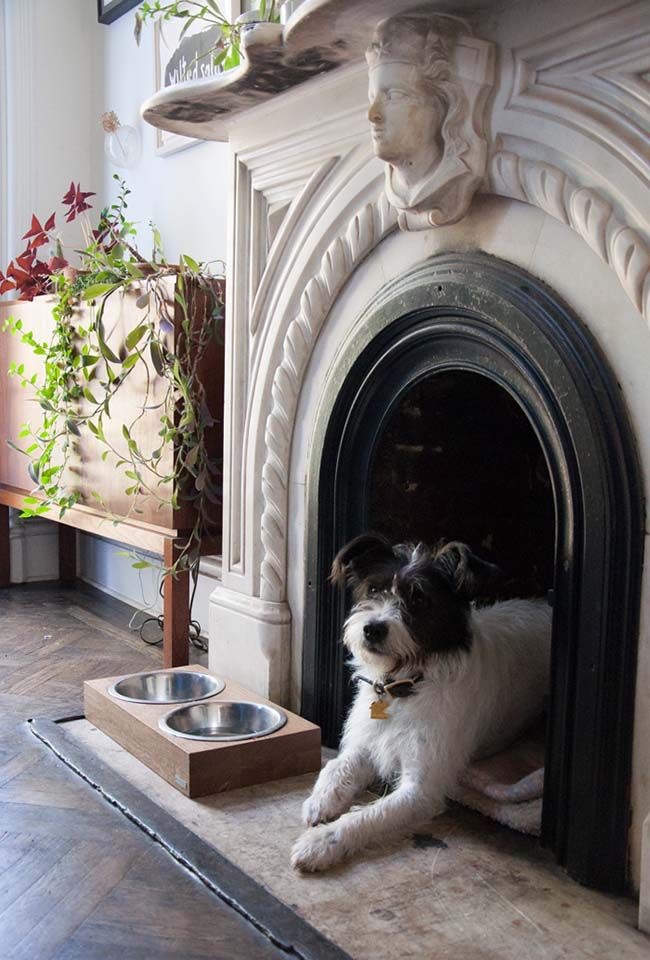
  • Old mantels can also make a wonderful frame around a pet’s bed giving you a handy, high-up shelf to store treats and accessories.

Easy Stovetop Popcorn

Salted, buttered, or caramel, National Popcorn Day celebrates this delectable snack on January 19 but did you know you can make it on your wood-burning stove? 

Your stove can keep your home warm, but you can use it for more than just burning wood. Your stove is the perfect tool to prepare a delicious serving of popcorn for a family night.

Popcorn is a fast and easy snack you can make with a couple of ingredients. It  doesn’t require you to be an expert cook. It is also a cheap alternative to other common salty treats like tortilla chips or crisps – perfect for January! 

Here’s how to make a perfect batch of popcorn, with no burnt kernels!

Ingredients

  • 3 tablespoons coconut oil or extra virgin olive oil
  • 1/3 cup popcorn kernels
  • 1 tablespoon butter or more to taste
  • Salt or other toppings to taste

Equipment

  • When it comes to making popcorn, you only need a heavy-bottomed saucepan or pot with a lid. The lid is essential because the kernels will start popping once the oil gets hot enough.
  • You will also need a big bowl to put the popcorn in once it is ready.

Preparation (2 – 3 Minutes)

  • Now that you have all the necessary ingredients, you can get set up. Make sure that your fire is moderate with medium heat for better results. Remember, if the fire is too strong, the popcorn will burn.
  • Get your serving bowl ready. Keep it next to you in case the popcorn starts to overflow the saucepan.

Method

  • Heat the oil: Heat the oil in a medium sized thick-bottomed saucepan on the stove top. If you are using coconut oil, allow all of the solid oil to melt. 
  • Add 3-4 kernels: Put 3 or 4 popcorn kernels into the oil and wait for the popcorn kernels to pop. 
  • Add the remaining kernels: When the kernels pop, add the rest of the 1/3 cup of popcorn kernels in an even layer
  • Cover the pot, remove from heat and count 30 seconds (Count out loud! It’s fun to do with kids.) This method first heats the oil to the right temperature, then waiting 30 seconds brings all of the other kernels to a near-popping temperature so that when they are put back on the heat, they all pop at about the same time.
  • Return the pan to the heat:The popcorn should begin popping soon, and all at once. Once the popping starts in earnest, gently shake the pan by moving it back and forth over the stove top. We recommend using cooking gloves even if the pot has a handle.
  • SIMPLE TIP! As the popcorn pops, try to keep the lid slightly ajar to let the steam from the popcorn release (the popcorn will be drier and crisper and less tough). Always be careful with the steam, as it can cause severe burning.
  • Once the popping slows to several seconds between pops, remove the pan from the heat: Remove the lid and pop the popcorn immediately into the bowl. With this technique, nearly all of the kernels pop, and nothing burns.
  • Melt butter in the empty hot pan: If you are adding butter, you can easily melt it by placing the butter in the now empty, but hot pan. Just drizzle the melted butter over the popcorn and toss to distribute.
  • Add your topping!

Popcorn Topping Ideas

Want something more than butter or salt on your popcorn? Try sprinkling with some grated Parmesan cheese! Smoked paprika, nutritional yeast, cayenne powder, taco seasoning, or curry powder also make for fun and interesting toppings.

Do what are you waiting for, put on a movie, get nice and comfy, and dig in to your favorite flavour of popped goodness!

It’s Officially Pudding Season! 

Pudding, a course to be celebrated! Did you know that on Wednesday the 9th of November every year it’s officially British Pudding Day! Who knew?!

It’s a well-known fact that we’re a sweet-toothed nation and when the temperatures start to drop out come the traditional hot steamy puddings. Farewell fruit salads and ice cream, jellies and watermelon slices, hello apple crumbles, plum pies and steamed desserts. From sticky toffee pudding to spotted dick the well-known classics have been around for years, warming the cockles after a long frosty walk and feeding tummies after a hard day’s work.

What better to share at this time of year than a recipe for the nation’s favourite dessert, sticky toffee pudding, that can be made in your pizza oven! (This recipe can also be made in a conventional oven).

FLAME-COOKED STICKY TOFFEE PUDDING

Serves 6

Ingredients:

For the sauce
100 grams unsalted butter
100 grams golden caster sugar
3 tablespoons (45 grams) golden syrup
150 millilitres double cream
1 teaspoon (5 grams) vanilla extract
large pinch of sea salt

For the sponge
100 grams unsalted butter
75 grams golden caster sugar
75 grams dark muscovado sugar (or dark brown sugar)
2 eggs, beaten
1 teaspoon (5 grams) vanilla extract
2 tablespoons (30 grams) golden syrup
150 grams self-raising flour
240 millilitres water
150 grams dates, stoned and roughly chopped
2 teaspoons (10 grams) bicarbonate of soda
Plus Cornish clotted cream, to taste

Method:

First, prepare the sauce. Place the butter, sugar, and golden syrup in a small pan over low heat, then heat until the sugar has completely dissolved. Once it begins to darken slightly, add the cream, vanilla extract, and salt, then increase to medium heat. Simmer for 3 minutes. The toffee sauce will thicken, coating the back of a spoon. Remove from the heat and set aside.

Next, prepare the sponge pudding. Fire up your pizza oven, aiming for 320°F (160°C) on the stone baking board inside. Using a little butter, grease a 12-inch (30 centimetre) enamel or metal baking dish.

In a bowl, beat the butter and sugars together with a whisk or electric mixer until light and fluffy. Add the eggs, vanilla, and golden syrup, then whisk until combined. Add the flour and whisk again until combined.

Place the water and dates in a pan and bring to a boil. Reduce to a simmer for 3 minutes until the dates soften, then add the bicarbonate of soda and mix. Be careful, as the mixture will start to foam!

Add one-third of the date mixture to the sponge mix and fold in with a spatula. This will prevent the hot dates from curdling the sponge mix. Once combined, add the remaining date mixture and fold again.

Make sure your baking dish is buttered, then add the pudding mix. It will feel looser than a traditional sponge mix, but that’s okay; the excess moisture will evaporate in the heat of the oven.

Place in the oven and bake for 40 minutes, or until light and springy to the touch. 

Remove the cooked sponge and pour half of the stick toffee sauce over the top, covering the sponge completely.

With a large serving spoon, serve a generous scoop of sponge with extra sticky toffee sauce and a healthy dollop of clotted cream or side of your choice.

Enjoy!

How do you like yours? Ice cream, custard or lashings of whipped cream?

You’ll Always Find Me in The Kitchen at Parties

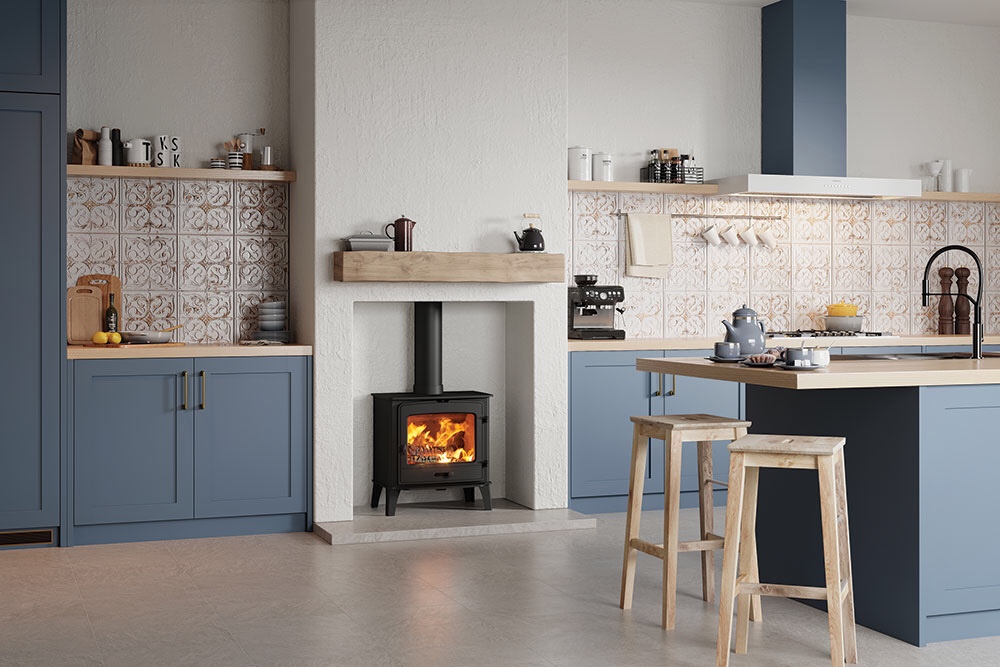
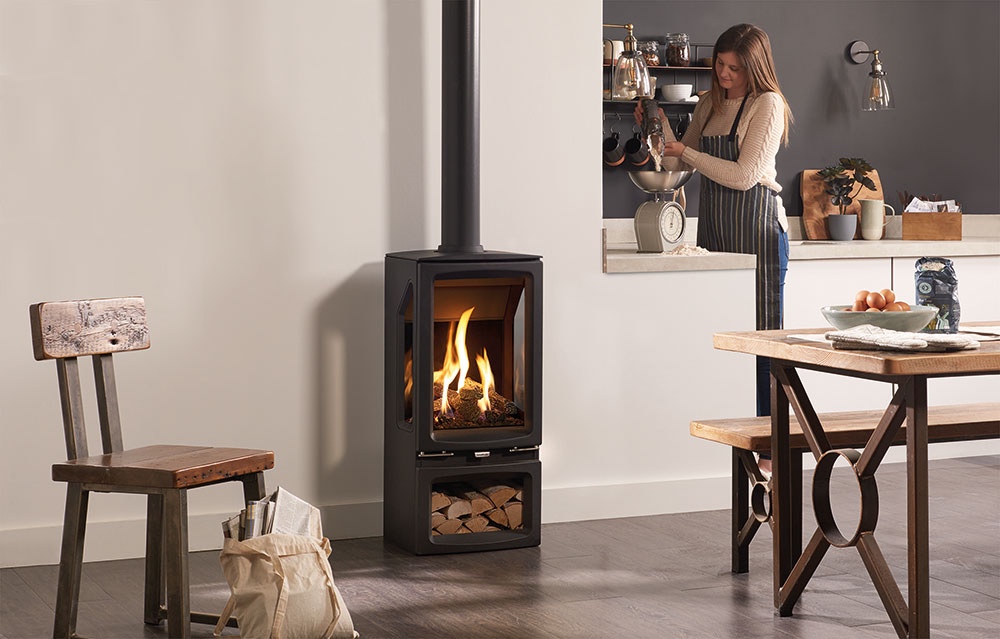
Cosy up your kitchen with a fabulous fireplace! This isn’t something new, in fact not so long ago there was always a fireplace in the kitchen! A fireplace in the kitchen is not only a warming focal point, but it also adds to the comfort level in a room and is inviting too. 

Not everybody wants a fire in their living room, saving the space for a great big TV or home cinema screen, but they still want the warmth and ambience that a fireplace gives in their home. Say hello to the newest trend in fireplaces – fireplaces in kitchens. This trend is ideal for those with open-plan living and dining areas creating a focal point and emphasising the space as the heart of the home

For almost as long as humankind has been around, fires have been associated not just with warmth and light but cooking too. Hence why it makes perfect sense to have a fire or stove in your kitchen. The history of fireplaces in kitchens goes back centuries, long before electric ovens and gas hobs. Large fireplaces are often found on the ground floor of stately homes in the kitchens. It’s around these fires that staff would warm themselves, cook for the household and even heat water on wash days, they were the focal point of day-to-day life.

Fires and stoves don’t need to be centralised in kitchens to become a centerpiece either, they can be tucked away for design purposes as once alight people will naturally gravitate towards them. Because the kitchen is so popular with guests, it’s always a good idea to make it as homely and welcoming as possible. A fireplace is a great way to achieve this aesthetic. It doesn’t need to be as quaint as you’re imagining either, while it can add a more traditional element to your space, fires in kitchens can be very modern too.

Electric fireplaces built into kitchen islands are not just a state-of-the-art design feature but a great way to combine areas in an open-plan design helping your room to flow and feel unified, making full use of all areas. You can create a great sense of visual harmony by choosing a fireplace that echoes the proportions and architectural features of your kitchen.  

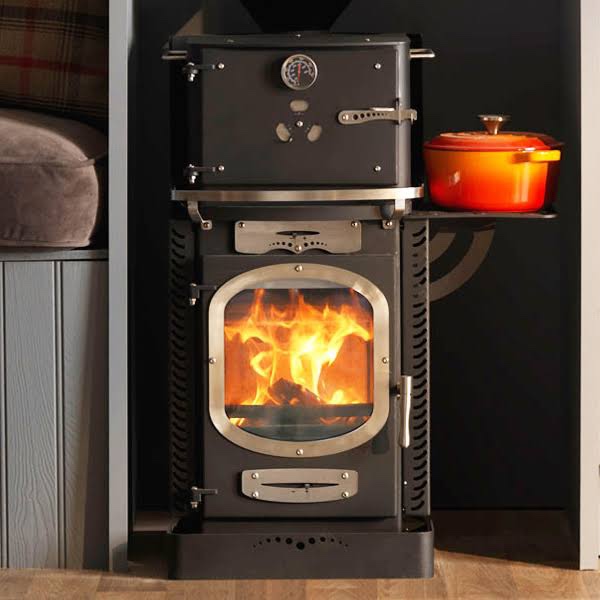
Fireplaces in kitchens can also be utilised for more than just a design feature. Some stoves can also be used for cooking on the hob and sometimes have oven space too.

Pizza Oven Breakfast For Two

And I said, “What about breakfast at Tiffany’s?” She said, “I’d rather you … fired up the Morso Forno!”

All this sun has got us eating alfresco whenever we can. So, to help you cater for every meal in the garden, here’s a great breakfast recipe for the weekend. Fire up that pizza oven and enjoy!

THE ULTIMATE BREAKFAST PIZZA RECIPE

This pizza was born to be made on a Saturday morning. Hungry for eggs and bacon? This pizza ticks all the boxes! A classic pizza base sprinkled it with parmesan and topped with mozzarella, bacon pieces and three fresh eggs. Seasoned with fresh herbs, salt, and pepper, and baked it until the egg yolks are set but still soft. You’re already setting the table aren’t you?

Makes: 2 pizzas (serves 2 to 4)

INGREDIENTS

• Bread flour, for dusting
• 6 bacon strips
• 1 quantity pizza dough (we recommend this recipe), shaped into 2 balls and refrigerated overnight
• ½ cup grated Parmesan
• 2 cups grated mozzarella
• 6 eggs
• Salt
• Freshly ground black pepper
• 2 tablespoons finely chopped flat-leaf parsley
• 2 tablespoons finely chopped chives
• 2 whole spring onions, trimmed and thinly sliced
• 1 shallot, finely chopped

METHOD

An hour before baking the pizzas, take the pizza dough out of the refrigerator and leave it in a warm area till you’re ready to use.

To make the pizza:

Preheat the pizza oven to around 450°F.
Generously dust the surface of a pizza peel (a flat wooden or metal shovel with a long handle) with bread flour.

Heat a large sauté pan over medium-high heat, add the bacon strips, and pan-fry until crisp. Put the bacon on a plate lined with paper towels, let it cool, and then chop it into bite-size pieces.

Lightly dust a work surface with bread flour. Working with one ball of pizza dough, dip your hands and the dough in the bread flour to make them less sticky, and pat the dough down into a disk shape with the tips of your fingers. Once the disk is large enough, drape the dough over your fists and carefully start stretching and expanding the dough from underneath to form a round that is 10 to 12 inches in diameter. (If you’re feeling lucky, try tossing the dough over your head in a circular motion to stretch it.)

Place the dough on the prepared peel.
Sprinkle it with half of the Parmesan, mozzarella, and bacon, and crack 3 eggs over the top. Season with salt and pepper to taste.

Before you put the pizza in the oven, do the “stick test”: shake the peel slightly to make sure the pizza is not sticking (if it is, carefully lift the section that is sticking and sprinkle a bit more flour underneath).
Slide the pizza directly onto the baking stone and bake it for 8 to 12 minutes, checking it after 5 minutes and rotating it if necessary to ensure that it’s baking evenly.

When the crust is golden, the cheese is melted, and the egg yolks are cooked to medium, use the peel to remove the pizza from the oven and transfer it to a cutting board.

Let it cool for 2 minutes and sprinkle with half of the parsley, chives, scallions, and shallots.

Slice and serve immediately.

Prepare your second pizza the same way.

How to Photograph Fire

Fire images can provoke a wide range of emotions, from joy and awe to fear and horror. Fire can be both comforting and dangerous. However, that said, we know how many of you love to snap a pic of your fire on in all its glory and share those cosy vibes on social media.

Fire photography is an exciting genre and you can capture very powerful photos using its light. These could be of the fire itself, people around the fire, interior and exterior landscapes. In addition to capturing the beauty of the light you want to be able to capture that wonderful atmosphere a fire creates.

Here we look at some top tips suitable for every level of photographer. So, whether your using a DSLR or snapping pictures on your phone learn how to up level your images below.

SAFETY FIRST

In the wise words of Frankenstein’s monster, “Fire Bad!” and this is especially true when photographing it. Follow these tips to help keep you and your camera protected.

• It’s easy to become disorientated when looking though a lens and end up much closer to the subject than you think you are, keep a safe distance. The heat and smoke can also damage your devise irreparably.
• Think ahead and plan your photo so you know exactly how you want to capture it. Have a plan to put out the fire if it’s one you are in control of, or know what safety precautions are in place.
• If you’re photographing a campfire or bonfire be sure to take car of the wind.
• Don’t ask anyone you’re photographing to get too close to the fire either.
• If you’re a beginner photographer experiment with sparklers and candles before practicing with larger fires.

SET YOUR CAMERA ON A TRIPOD

The key to a successful fire photo is using a tripod or support for your camera. This will support and steady your devise and help you to achieve a clearer image as the camera shake is reduced and consequently the chances of a blurred image.

TURN OFF THE FLASH

It simply isn’t needed for this type of photography. The fire is your light source.

BE CREATIVE WITH CAMERA SETTINGS.

On most smartphones there is now the option to increase and decrease exposure by tapping on the camera screen and adjusting the sun icon either up or down. On other cameras, such as SLRs there are three settings which will affect your exposure, they are aperture, shutter speed and ISO. To get the very best shots of a fire you need to experiment with these.

USE A SELF TIMER

As you’re photographing in low light conditions, it’s inevitable you could get camera shake, even on a tripod. You see, when you press the button the camera movely slightly and this can create blur in your photos. Try using a remote shutter or self-timer with the tripod/support to dramatically reduce camera shake.

MAKE THE FIRE THE MAIN SOURCE OF LIGHT

If you’re photographing fire in an indoor setting, such as a wood-burner or candle, turn off the other sources of light such as ceiling and table lamps for a more dramatic effect. Thanks to its warm colour and soft shades the fire is a perfect light source.

PRACTICE AND PLAY

Do you enjoy a cosy fire pit in your garden or bonfires at the beach? Do you like candlelit dinners? What about campfire marshmallow roasts? These are all great places to practice fire photography.

Vegetarian and Vegan BBQ Ideas

It’s BBQ season and we’re firm believers that BBQs are for everyone! However, sometimes, if you’re not a vegetarian or vegan, you can get a little stuck about what to cook so that all your guests can enjoy some tasty grilled treats.

Here’s four seasonal recipes to inspire you.

Before You Start

It goes with-out saying that you should always thoroughly clean your outdoor grill before cooking up a storm and grill vegan dishes before vegetarian and vegetarian before any meat.

(V) = Vegetarian (VG) = Vegan

CHARGRILLED SWEETCORN WITH CHILLI BUTTER (V)

Serves 4. This BBQ classic not only tastes great but any leftovers can be served on grilled focaccia, toast or even added to a risotto.

INGREDIENTS

4 sweetcorn cobs
100g butter softened
1tsp chilli flakes
a squeeze of lemon juice

METHOD

Grill the corn on the barbecue until tender.
Meanwhile mix together the remaining ingredients until combined.
When the corn is cooked add a good knob of the butter and serve.

CHARGRILLED SUMMER VEGETABLES (VG) AND DIP (V)

Serves 4. A bright and refreshing change from the ubiquitous aubergines and peppers. Experiment by adding different vegetables from the grill to change up this dish – wedges of red onion and chunks of baby gem lettuce are great!

INGREDIENTS

250g tenderstem broccoli, trimmed
4 courgettes sliced on the diagonal
12 large spring onions
1 romanesco cauliflower cut into florets
a little oil
200g Greek yoghurt
3tbsp harissa
a squeeze of lemon juice
4tbsp dukkah (a mix of toasted coriander seeds, sesame seeds and hazelnuts)

METHOD

Toss all the vegetables in a little oil and then season well.
Grill on the barbecue until charred and then put into a serving bowl.
Mix together the yoghurt, harissa and lemon juice to serve as a dip.
Sprinkle the dukkah over the vegetables and serve.

HOMEMADE FLATBREADS (V)

Makes 4-6 flatbreads. Great served with a dip or crunchy salad.

INGREDIENTS

175g self-raising flour
175g natural yoghurt
3tsp onion seeds (nigella or kalonji)
2tsp sea salt
2tbsp olive oil

METHOD

Mix all the ingredients together until combined
Form into 4 – 6 small, equal sized balls
Roll out flat
Cook directly on your grill for a few minutes (until browned) on each side.
Serve warm and fresh.

HOT COALS POTATOES (VG)

Serves 4. Sweet potatoes are perfect cooked in the coals of a barbeque or in a cooling pizza oven. Of course, you can bake them in the oven for around 40 minutes.

INGREDIENTS

4 large sweet potatoes
a little oil and sea salt
400g can cannellini beans
6 tomatoes
4tbsp flat-leaf parsley chopped
juice of 1 lemon
3tbsp olive oil

METHOD

Prick the potatoes with a fork.
Rub in the oil and sprinkle over sea salt.
Wrap in foil and bake on the edge of the grill for 1hr or until tender.
Meanwhile drain and rinse the beans.
Halve the tomatoes and scoop out the seeds, then chop into small pieces.
Put the beans in a bowl and add the chopped tomato, parsley, lemon and oil.
Season and serve with the potatoes.