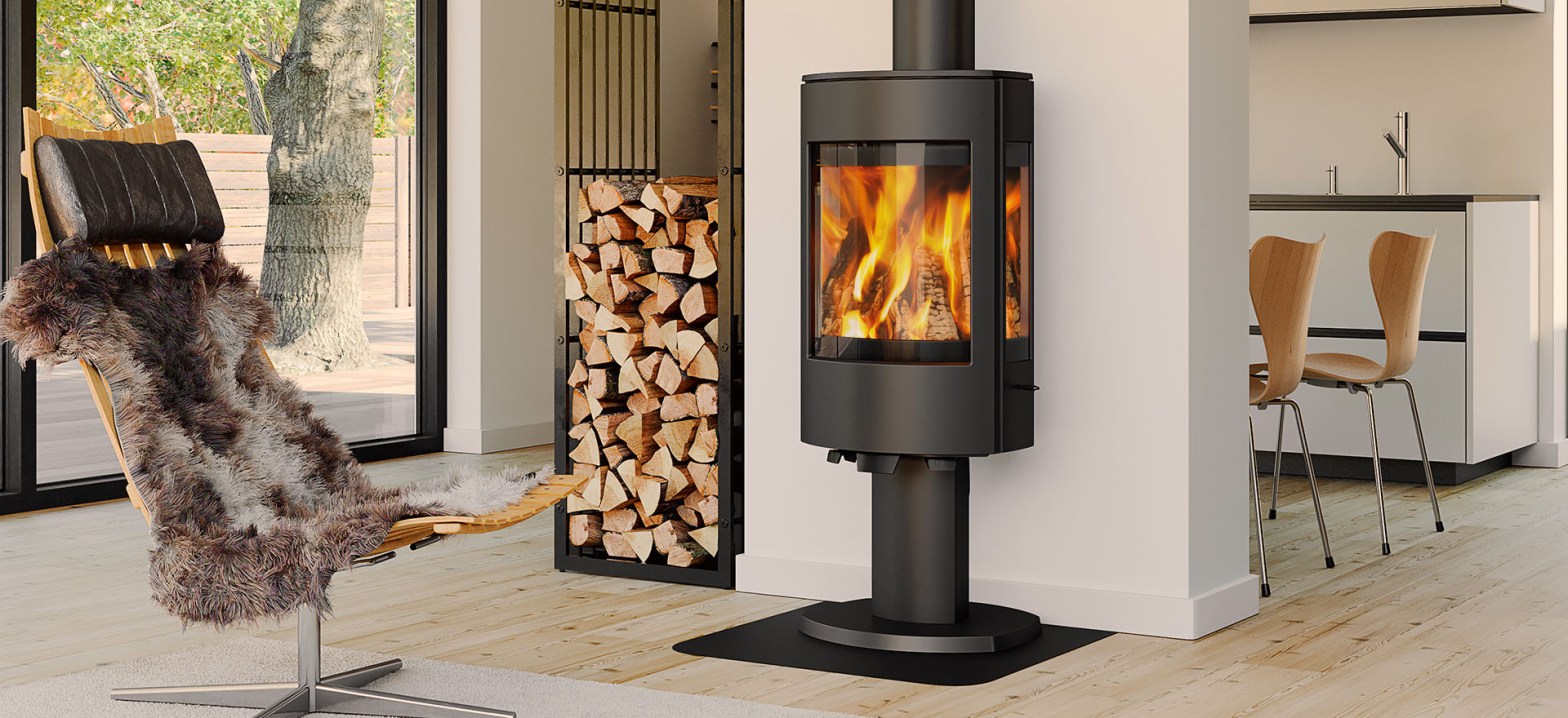
There’s nothing quite like the comfort of a wood-burning stove on a cold Scottish evening — but getting the best performance from your stove starts long before you strike a match. Proper firewood storage and effective fire-lighting techniques help improve heat output, reduce emissions, and protect your appliance.
Whether you’re new to stove ownership or looking to refine your routine, this guide shares practical advice on storing firewood and building a clean, efficient stove fire.
Storing Firewood for Optimal Stove Performance
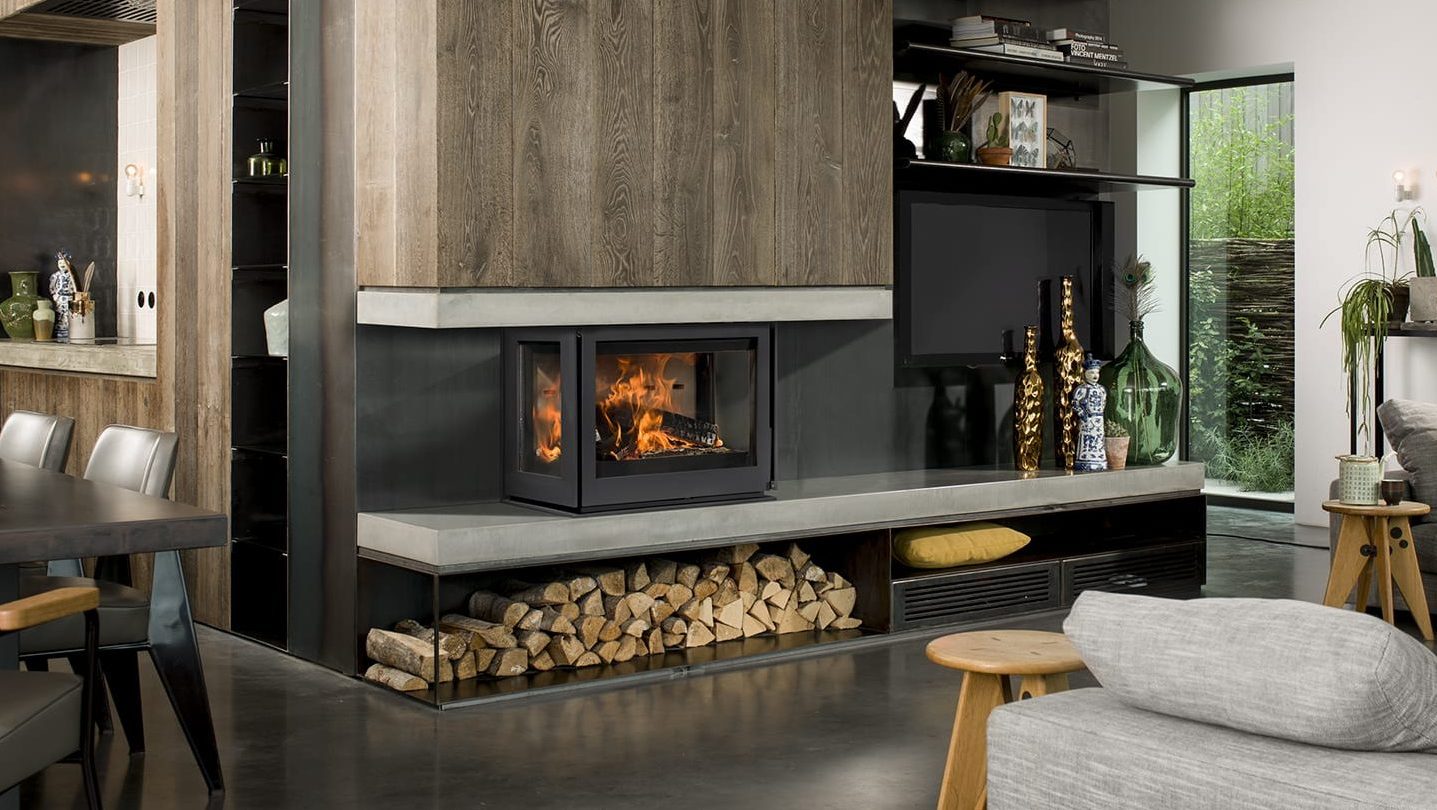
Well-stored logs burn hotter, cleaner, and more efficiently. Moisture is the main enemy of good combustion, so taking a little care with storage makes a big difference.
Keep logs dry and ventilated
Store your firewood in conditions that protect it from rain and damp while allowing air to circulate. Many modern wood-burning stoves feature integrated log storage compartments, keep these clean and dry, especially when positioned close to floor level where moisture can collect.
Freestanding log stores can also be an effective and stylish solution. Even indoors, logs should maintain a moisture content below 20% for efficient burning. Using a moisture meter provides a quick way to check suitability before lighting your stove.
Raise logs off the ground
Firewood needs airflow from beneath as well as above. Avoid stacking logs directly on soil or concrete, a pallet or raised base works well to prevent moisture transfer and improve ventilation.
Cover outdoor log stores
Outdoor storage should always include overhead cover. If using sheet covering, leave at least one side open to allow logs to breathe and prevent condensation build-up.
Stack correctly
Build stacks from the outside in, keeping them stable and level. In larger stores, reinforce corners by alternating layers at right angles (similar to brickwork) for strength and airflow.
Proper storage helps ensure your logs remain compliant with Ready to Burn standards, improving both stove efficiencyand air quality.
Lighting the Perfect Stove Fire
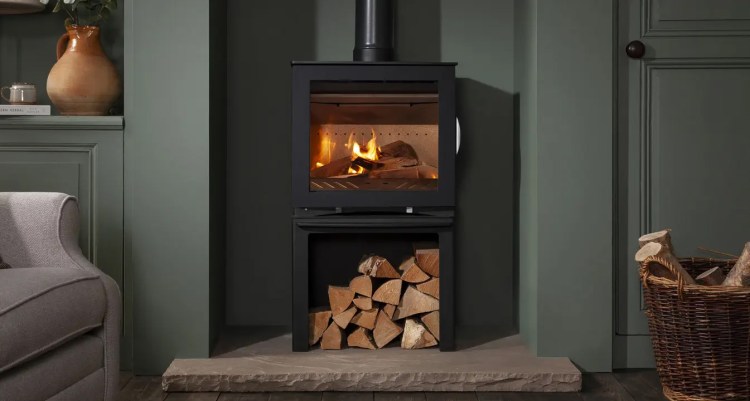
There are many approaches to lighting a fire, but the top-down method is widely recommended for modern wood-burning stoves. It promotes cleaner combustion, faster flue warming, and reduced smoke emissions.
Prepare your materials
Use seasoned hardwood logs, dry kindling, and eco firelighters. Keeping a basket of ready-to-use materials nearby makes lighting your stove simple and convenient.
Open air controls
Fully open the stove’s air controls before lighting. This ensures sufficient airflow for ignition and combustion. Controls are typically located above or below the door depending on the appliance design.
Build your fire
- Place medium-sized logs on the fire bed with space between them.
- Add smaller logs across these at angles to encourage airflow.
- Position an eco firelighter within the stack.
- Build a crisscross layer of kindling above, adding another firelighter at the top.
Lighting from the top allows heat to travel downward, improving draw and supporting cleaner ignition.
Ignite and establish the fire
Light the upper firelighter and leave the stove door slightly ajar initially to encourage airflow. Once the kindling catches, close the door and allow the fire to build with controls fully open.
When logs are burning strongly, adjust air controls to normal operating levels.
Refuelling for Efficiency and Control
Maintaining a consistent fire improves heat output and reduces soot build-up.
- Open air controls fully before refuelling
- Rake embers to create a glowing fire bed
- Add logs loosely to maintain airflow
- Burn on higher output for several minutes before reducing airflow
- Refuel little and often for steady performance
Avoid overloading the firebox or blocking air outlets, both can impact efficiency and safety.
Helpful Tips for Everyday Stove Use
- Burn only dry, seasoned hardwood logs
- Hardwood typically provides longer burn times than softwood
- Keep logs below any internal guards or airflow outlets
- A bright, clean firebox indicates efficient combustion
- Regular experience will help you find the ideal settings for your home and appliance
Warmth That Works Smarter
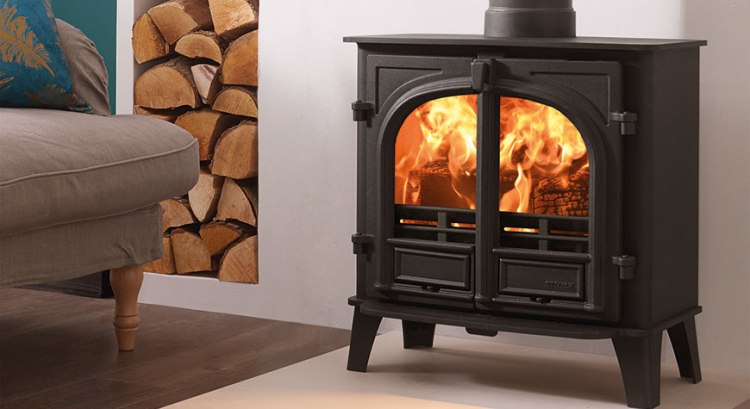
Storing firewood correctly and lighting your stove with care doesn’t just improve comfort, it supports energy efficiency, cleaner burning, and appliance longevity. Small adjustments can deliver noticeably better performance, especially through Scotland’s colder months.
If you’d like guidance on stove operation, fuel selection, or log storage solutions, the Living Fires team is always happy to help you get the very best from your heating investment.
 Living Fires
Interesting post
LikeLike