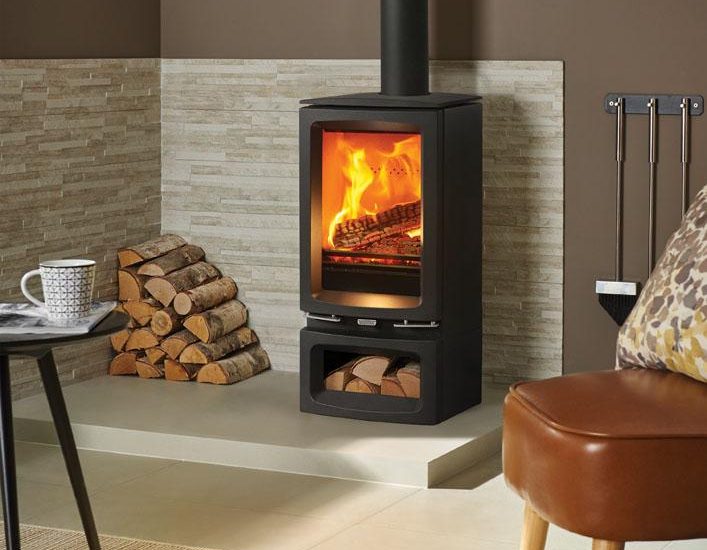
There’s something undeniably comforting about the glow of a wood-burning fire on a cold evening. The warmth, the gentle sound of burning logs, and the atmosphere it creates are all part of the appeal. But achieving a clean, efficient burn starts with choosing the right fuel.
At Living Fires, we often remind customers that not all logs are equal. Selecting quality firewood improves heat output, protects your appliance, and helps reduce emissions — all important considerations for modern wood-burning stoves in Scottish homes. This guide shares practical advice to help you get the best from your fire.
Choosing the Right Firewood
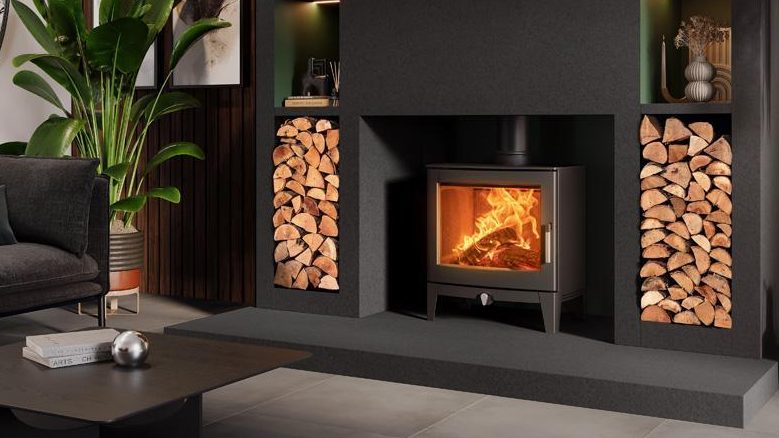
It can be tempting to burn whatever timber is available, but the type and condition of the wood makes a significant difference to performance and safety.
Hardwood vs Softwood
Hardwoods are generally the best choice for burning. Species such as:
- Oak
- Ash
- Beech
- Birch
- Fruit woods
provide a hotter, longer burn with steady heat output and less residue. Their density means they release energy gradually, making them ideal for efficient home heating.
Softwoods like pine and fir ignite quickly but burn faster, produce more smoke, and leave fewer embers. While useful for kindling, they are less suitable as the main fuel for sustained heating and may contribute to soot build‑up in flues or chimneys.
What Not to Burn

To maintain both appliance performance and indoor air quality, avoid burning:
- Painted, coated, or pressure-treated wood
- Waste or reclaimed timber intended for disposal
- Salt-saturated driftwood
- Non-local or unknown treated materials
These can release harmful chemicals and potentially damage your stove or chimney system.
It’s equally important not to burn green wood. Freshly cut logs contain high moisture levels, making them difficult to light and prone to producing smoke rather than heat. Properly seasoned wood, or certified kiln-dried logs, supports cleaner combustion and better efficiency.
Look for the Woodsure ‘Ready to Burn’ certification, confirming moisture content of 20% or below and helping ensure compliance with current environmental standards.
Log Size and Storage Considerations
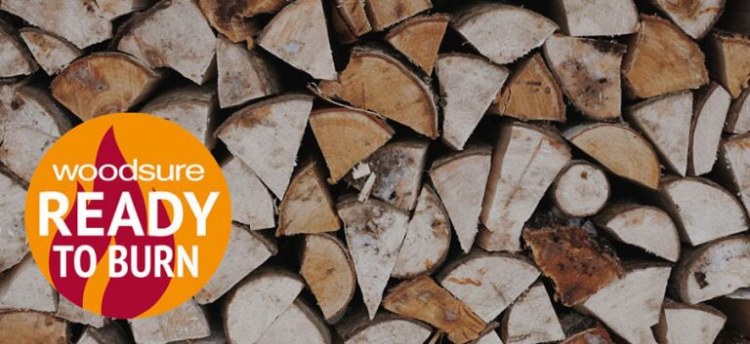
When purchasing firewood, consider log dimensions. Oversized logs may require splitting before use, which demands space, tools, and preparation time. Logs suitable for your stove’s firebox size provide easier handling and more consistent burning.
Kiln-dried logs tend to be more expensive but offer convenience and immediate usability. Alternatively, seasoned logs can perform just as well if stored correctly, ideally in a dry, ventilated area.
Regardless of sourcing method, the priority is simple: burn clean, dry, well-prepared fuel to maximise stove performance and longevity.
A Guide to Common Hardwoods
Understanding how different hardwoods behave can help you tailor your fire to suit the occasion.
Ash
Produces a steady flame and reliable heat output, burning well even on its own. Often considered one of the most dependable firewoods.
Oak
Dense and slow-burning, oak requires longer seasoning but provides sustained heat, ideal for longer evenings or overnight embers when mixed with faster-burning logs.
Birch
Generates strong heat but burns relatively quickly. Works well when combined with slower hardwoods. Its bark can serve as a natural firelighter.
Beech
A high-quality firewood, when thoroughly seasoned, delivers consistent performance and good heat.
Cherry
Burns steadily with pleasing warmth and a distinctive aroma. Requires proper drying before use.
Sycamore
Seasons comparatively quickly and offers moderate heat output, making it a practical and accessible option.
Supporting Efficient Wood‑Burning in 2026
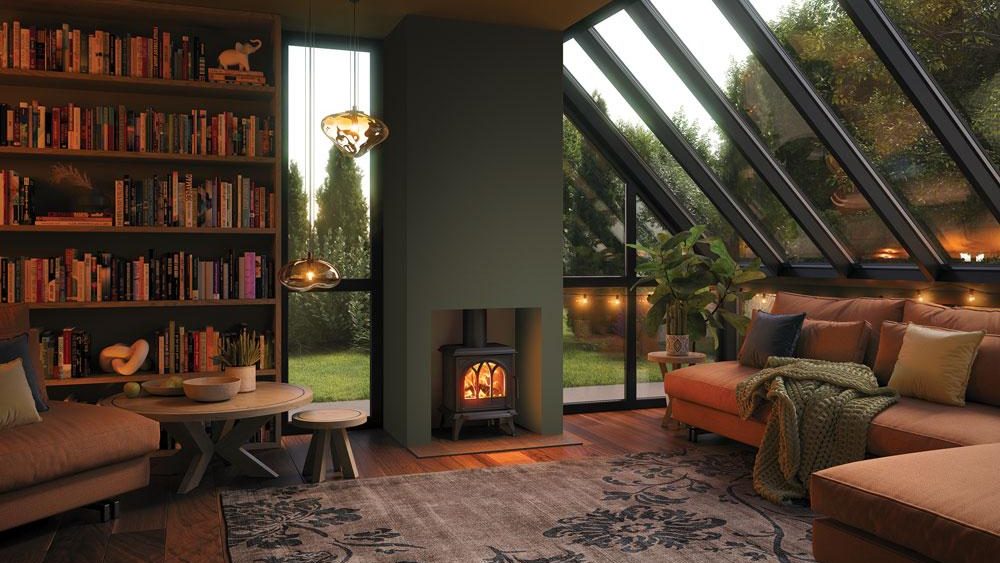
Modern Ecodesign wood-burning stoves are engineered to maximise heat efficiency and minimise emissions, but fuel quality remains a crucial factor. Using the right logs helps:
- Improve heat output and comfort
- Reduce soot and maintenance requirements
- Protect chimney and flue systems
- Support responsible, efficient home heating
At Living Fires, we’re always happy to advise on fuel selection, stove care, and installation considerations so you can enjoy your fire with confidence.
Making the Most of Your Fire
Whether you source logs locally or purchase from a supplier, selecting the right firewood ensures your stove performs as intended, delivering warmth, atmosphere, and efficiency throughout the colder months.
If you have questions about wood-burning stove performance, fuel options, or fireplace installations in Scotland, our team is here to help. Visit our showroom or speak to a member of the team for guidance tailored to your home and lifestyle.
 Living Fires
One thought on “Selecting Firewood for Your Stove or Fire”