

There’s something timeless about the glow and crackle of a real wood-burning stove. Whether you’re upgrading your living space or exploring lower-cost, lower-impact heating, a stove can become the heart of your home while being both stylish and practical.
But if you’re new to the world of wood burners, it’s natural to have questions. Here’s our straightforward guide to help you feel confident, informed and ready to make the most of your stove.
How Do Wood-Burning Stoves Work?
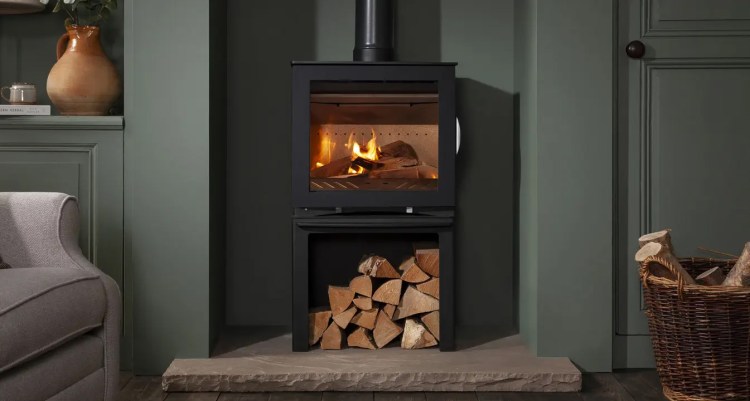
Wood-burning stoves are more efficient than open fires, thanks to clever air control and design.
Inside the stove, combustion happens in a sealed firebox. Air vents (usually at the top and bottom) let you control how much oxygen feeds the fire. The more air the livelier the burn; less air means a slower, longer-lasting heat. Many modern stoves use cleanburn or tertiary air systems, which help burn off more gases, making them cleaner and more efficient.
If you choose a DEFRA-exempt model, it’s also approved for use in smoke control areas (more on that below).
How to Start and Maintain a Fire (Without the Stress)
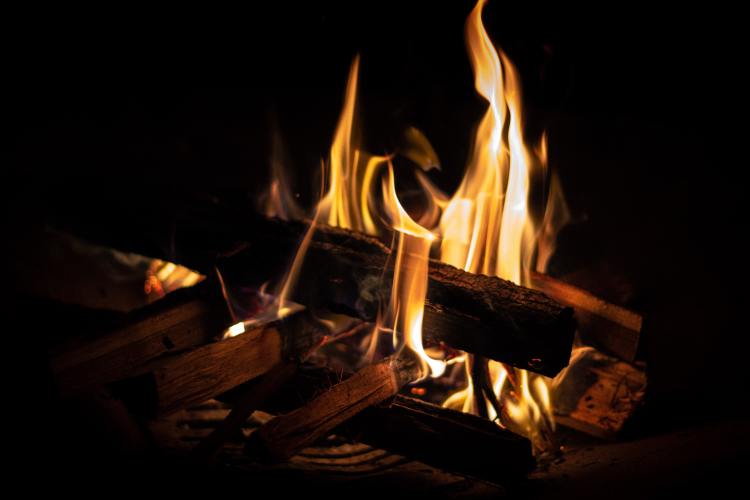
Lighting a stove is a simple skill once you get the hang of it. Here’s a no-fuss method:
1. Open the air vents fully – your stove needs plenty of oxygen to get going.
2. Place kindling in a criss-cross shape with a natural firelighter underneath (avoid firelighters with paraffin if possible).
3. Add one or two small logs on top – don’t overload it at this stage.
4. Light the firelighter, close the door, and watch it catch.
5. Once the fire’s well established, add more logs gradually and adjust the vents to control the burn.
Keep it burning cleanly, no smouldering or slumbering fires, and always follow the manufacturer’s guidance.
Stove Maintenance Basics
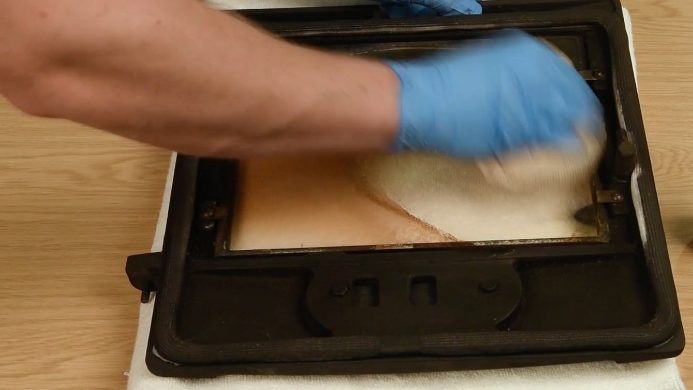
Looking after your stove doesn’t take long but makes all the difference in performance and longevity.
Glass cleaning: If the glass blackens, let it cool, then use stove glass cleaner or a damp cloth dipped in wood ash. Regular burning of well-seasoned wood also helps prevent soot build-up.
Ash removal: Empty the ash pan regularly (when the stove is cool), but leave a thin layer in the base – it helps insulate and support the fire.
Chimney sweeping: Book a professional sweep at least once a year, ideally before winter. If you’re a heavy stove user, you might need a mid-season clean too.
Fuel Tips: Get the Wood Right

What you burn matters.
Use seasoned hardwood like ash, oak or beech, with a moisture content below 20%. Look for the Woodsure ‘Ready to Burn’ logo.
Avoid softwoods (like pine) or unseasoned ‘green’ wood. They burn too fast, create more soot, and can damage your flue.
Store it well, ideally in a dry, ventilated log store, off the ground and protected from rain. If you’re stacking indoors, keep a small supply nearby, but don’t bring in loads at once (moisture from the house can seep in).
Legal Guidelines in Scotland
Wood-burning stoves are legal in Scotland, but there are some key things to know:
- Many towns and cities are designated Smoke Control Areas.
- If you live in one of these areas, you can only burn authorised fuels or use a DEFRA-exempt stovedesigned to emit minimal smoke.
- You can check if you’re in a Smoke Control Area via your local council or the Scottish Government website.
Also, if you’re installing a new stove, it must comply with Ecodesign regulations all the stoves we supply meet (or exceed) these standards.
Thinking About Getting One?
Whether you’re drawn to the look, the feel or the eco-friendly credentials of a stove, we’re here to help you choose the right one and make sure it works for your space, lifestyle, and local regulations.
Pop into one of our showrooms or give us a call if you’d like a hand getting started.
 Living Fires