When navigating the world of fireplaces, gas fires, electric fires, and wood-burning stoves, you’ll encounter a variety of technical terms and industry jargon. Understanding these key terms is essential for making informed decisions about the right heating solutions for your home.
Below, we’ll explore the most common terminology used in the fireplace and stove industry to help demystify the process and guide you through your choices.
Glossary of Fireplace Terms:
Aperture
The aperture refers to the opening in a wall or chimney breast designed to house a fireplace. This opening is also known as the fireplace recess. Traditionally placed close to the floor, many newer designs feature inset fireplaces that are installed higher up the wall.
Air Vent
Air vents are legally required in rooms with gas or solid fuel fires. Insufficient airflow can cause dangerous gases, like carbon monoxide, to be vented into the living space, potentially leading to fatal consequences.
Back Panel
A back panel is the vertical surface located at the rear of a fireplace or stove, often made of materials like stone, metal, or heat-resistant board, designed to enhance aesthetics, protect the wall from heat damage, and reflect heat into the room for improved efficiency.
Baffle
A baffle is a component within a fireplace, stove, or flue system designed to direct the flow of smoke and gases, improve combustion efficiency, and reduce heat loss by forcing the hot gases to travel a longer path before exiting, thereby enhancing heat exchange and overall performance.
Balanced Flue Gas Fire
A balanced flue gas fire is ideal for homes without an existing chimney. These units are sealed and function by drawing in external air and venting combustion gases outside through a dual pipe system. They are highly efficient since less heat escapes compared to traditional chimney-based systems.
Benches
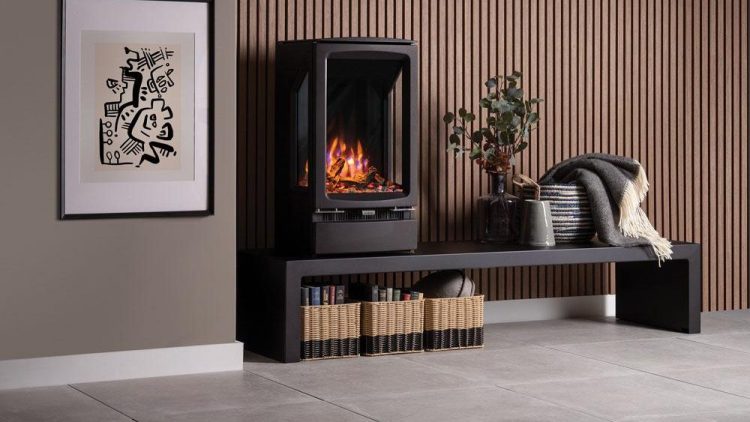
Steel benches are a wood-burning stove accessory that creates an adaptable alternative to traditional ‘on hearth’ mounting. To complement contemporary stoves that we stock, we offer several sizes of bench to which these stoves may be secured.
BTU (British Thermal Unit)
BTU measures heat energy and is defined as the energy required to raise the temperature of one pound of water by one degree Fahrenheit. On our site and in our social media, we use kilowatts
Cap (Capper)
A cap, often referred to as a chimney cap, is a protective cover placed on top of a chimney flue, designed to prevent rain, debris, and animals from entering the chimney while also helping to reduce downdrafts and improve ventilation for more efficient smoke expulsion.
Chamber Lining
Chamber lining panels refer to the material that lines the interior of a fireplace or stove’s combustion chamber, designed to protect the structure from high temperatures, improve heat retention and distribution, and enhance overall efficiency while also providing a barrier against corrosive gases and soot buildup.

Chimney
Chimneys operate by circulating warm air upward, allowing smoke and gases to escape safely from the home.
- Class 1 Chimneys: These traditional chimneys are wide, allowing for the installation of deeper fires and stoves.
- Class 2 Chimneys: Found in newer homes, these shallower chimneys are built into external or internal walls and are more suited to slimline fires.
Chimney Breast
A chimney breast is the protruding section of a wall that houses a chimney and its flue, typically extending from the roofline down to the floor, and is designed to support the fireplace or stove while providing space for smoke and gases to vent safely outside.
Closure Plate
A closure plate, sometimes referred to as a register plate, is a flat metal or other material panel used to seal the opening of a chimney or flue, helping to regulate airflow and improve the efficiency of heating systems while preventing unwanted drafts.
Convection Heat
Convection heat is generated when warm air rises and cooler air moves into warmer areas, circulating heat throughout a room.
Corbels
Corbels are decorative brackets that support the mantel or shelf above the fireplace opening, made from wood or stone they add visual interest and architectural detail while also providing structural stability to the mantel.
CORGI
Formerly the gas safety registration body in the UK (1970–2009), CORGI is now a voluntary registration system for various trades. As of 2012, all gas engineers must be registered with the Gas Safe Register by law.
Creosote
Creosote is a flammable, tar-like substance that accumulates inside chimneys and flues as a byproduct of burning wood and other organic materials, forming when smoke cools and condenses; it poses a significant fire hazard and requires regular cleaning to prevent chimney fires.
Damper
A damper is a movable plate or mechanism installed within a chimney or fireplace that regulates airflow, allowing users to control the intensity of the fire and prevent heat loss when the fireplace is not in use by sealing off the flue.
DEFRA
The Department for Environment, Food & Rural Affairs (DEFRA) oversees environmental protection in the UK. Under updated clean air legislation, including the Environment Act 2021, it is illegal to emit smoke in designated smoke control areas unless using DEFRA-exempt appliances or authorised fuels.
Direct Spark Ignition
Direct spark ignition is an electronic method for lighting gas burners, eliminating the need for a continuously lit pilot light.
Eco Design Ready (2022)
The Eco Design 2022 directive by the European Union sets stricter regulations for solid fuel-burning appliances to enhance energy efficiency and reduce harmful emissions, promoting cleaner technologies and supporting broader environmental goals. We go into what it means in more detail on our dedicated blog: https://livingfires.co.uk/2020/10/14/ecodesign-ready-explained/
Efficiency
Fireplace efficiency refers to how effectively energy used for heating is converted into actual heat output. Most gas and solid fuel fires aren’t fully efficient since some heat escapes through the chimney. However, glass-fronted fires can be over 80% efficient, and electric fires are considered 100% efficient.

Electric Fires
Electric fires (and stoves) are a versatile heating option that doesn’t require a chimney. Typically offering up to 2kW of heat, they often have adjustable heat settings and a flame-only mode. Electric fires are highly efficient, as all the energy consumed is converted into heat. Want to learn more – read our focused blog: https://livingfires.co.uk/2021/06/17/electric-fires-and-stoves/
Emissions
Emissions are the gases released during combustion, such as carbon monoxide, carbon dioxide, nitrogen oxides, and particulate matter, vented outside via chimneys or flues.
Fender
A fender is a low, protective barrier placed in front of a fireplace, often made of metal or other fire-resistant materials, designed to contain embers and prevent them from escaping into the room, while also serving as a decorative element that enhances the fireplace’s aesthetic appeal.
Firebrick
Firebrick, also known as refractory brick, is a type of brick specifically engineered to withstand high temperatures and thermal shock, commonly made from vermiculite or concrete used in the construction of fireplaces, kilns, and furnaces to provide insulation, durability, and heat retention.
Fire Dogs or Andirons
Fire dogs, also known as andirons, are metal supports used in a traditional wood-burning fireplace to hold logs in place, allowing air to circulate around the fire for improved combustion, while also serving as decorative elements that enhance the aesthetic appeal of the fireplace.
Fireplace Inserts (Inset)
Fireplace inserts are heating units that retrofit into existing masonry or factory-built fireplaces.
Flueless Gas Fires
Flueless gas fires don’t require a chimney, as combustion gases are filtered through a catalytic converter. These fires are highly efficient but require proper ventilation and are typically used as supplementary heating sources.
Flexible Flue Liner
A flexible flue liner is a bendable, stainless steel tube installed inside an existing chimney to improve safety and efficiency. It helps contain the combustion gases, prevents leaks, and protects the masonry from heat and corrosive by-products. Flexible flue liners are commonly used for wood-burning stoves or gas fires, especially in chimneys that are older or have bends.
Free Standing Stove
A freestanding stove is a heating appliance that rests on a pedestal and operates independently of any fireplace, providing flexible placement options on 4 legs.
Fret
A fret is the decorative front panel of a fireplace that covers the fire basket and ashpan. Many modern gas and electric fires also feature interchangeable frets.
Gas Safe Register
Since April 2009, the Gas Safe Register has replaced CORGI as the UK’s official gas safety body. By law, all gas engineers must be listed on the Gas Safe Register to carry out gas-related work.
Hearth
The hearth is the fire-resistant floor area of a fireplace, often made from brick or stone. It helps prevent fires from spreading within the home. For solid fuel fires, a special “slabbed” hearth may be necessary. There are different types of hearth and you can find our more about them here: https://livingfires.co.uk/2025/03/21/understanding-hearth-and-bench-options-for-wood-burning-stoves/
HETAS
HETAS is the UK’s official body for approving solid fuel heating systems, including appliances, fuels, and services. They also maintain a register of competent installers.
Limestone
Limestone is a sedimentary rock formed from compacted fossils and organic matter. It comes in various colours, from white to beige, depending on its origin.
Lintel
A lintel is a horizontal structural steel or concrete reinforced beam placed over a fireplace opening to support the weight of the materials above it, ensuring stability and integrity in the building structure.
Mantle
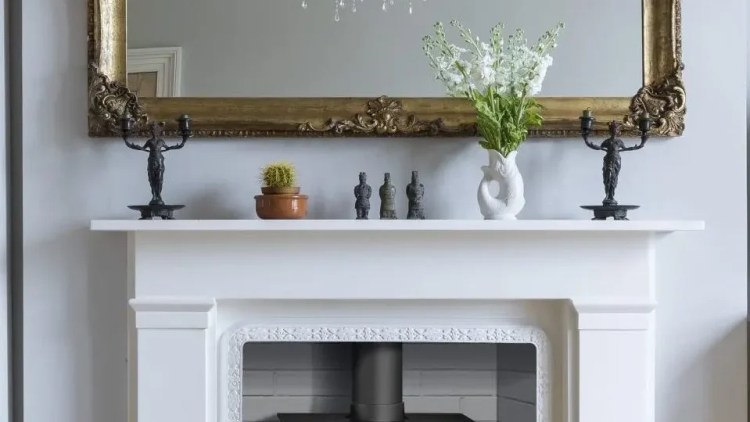
A mantel, also known as a mantlepiece, is a decorative shelf or framework that surrounds the upper portion of a fireplace, often serving as a focal point in a room and providing a surface for displaying decorative items such as photos, clocks, or candles.
Marble
Marble is a natural stone formed under intense heat and pressure, often used for its decorative appeal in fireplace surrounds.
Micro Marble
Micro marble is a manufactured material made from crushed marble mixed with resins. It resembles natural marble but lacks the veining patterns.

Period Fireplaces
Period fireplaces recreate styles from past eras, such as the Georgian, Victorian, Edwardian, and Art Nouveau periods, often featuring detailed designs and materials like cast iron or marble.
Pilot
A pilot is a small, continuous flame used in gas appliances, such as fireplaces and heaters, to ignite the main burner when the appliance is turned on, ensuring a safe and efficient ignition process.
Pre-cast Flues
These are shallow chimneys found in modern homes, typically situated within walls and allowing for the installation of gas fires without the need for a full chimney breast.
Rebate
A fireplace rebate refers to the recessed section at the back of a fireplace surround, designed to create additional depth for fitting appliances like inset gas or electric fires, especially when wall space is limited or to accommodate different fire types.
Slip
Fireplace slips are narrow panels, typically made from materials like stone or metal, that are fitted around the inner edges of the fireplace opening. They serve both a decorative and functional purpose, helping to frame the fire while covering any gaps between the fire surround and the fireplace opening.
Smoke Control Areas
Smoke control areas were introduced to tackle air pollution and still apply today in many parts of Scotland. In these areas, you can only burn authorised fuels or use DEFRA-exempt appliances that meet current emissions standards.
Storm Collar
A storm collar is a fitting used around the chimney pipe where it passes through the roof, designed to create a watertight seal that prevents rain and snow from entering the chimney system, thereby protecting the interior of the home from moisture damage.
Surround
A fireplace surround is the decorative framework or enclosure that surrounds a fireplace opening, typically made of materials like stone, brick, or wood, and serves both aesthetic and functional purposes, enhancing the overall appearance of the fireplace while protecting the wall from heat and soot.
Twin Wall Flue
A twin wall flue is a type of chimney system made up of two layers of stainless steel with insulation in between. This design helps maintain the flue’s temperature, improving efficiency and safety by preventing condensation and reducing the risk of heat transfer to nearby combustible materials. Twin wall flues are often used in homes without traditional chimneys to safely vent wood-burning stoves or other heating appliances.
Have questions? Our team is happy to guide you—just pop into our Dunfermline showroom or give us a call.
 Living Fires