
Stoves, whether wood-burning, electric, gas, or outdoor, are invaluable additions to our homes, providing warmth, convenience, and culinary delight. To ensure these essential appliances function efficiently and safely, regular maintenance is key. In this short and informative blog, we’ll explore essential maintenance tips for various types of stoves, helping you keep the flame burning brightly.
Wood-Burning Stoves:

- Clean the Chimney:
Regularly have your chimney cleaned by a professional to remove creosote buildup, a byproduct of wood combustion. A clean chimney improves airflow and prevents potential fire hazards.
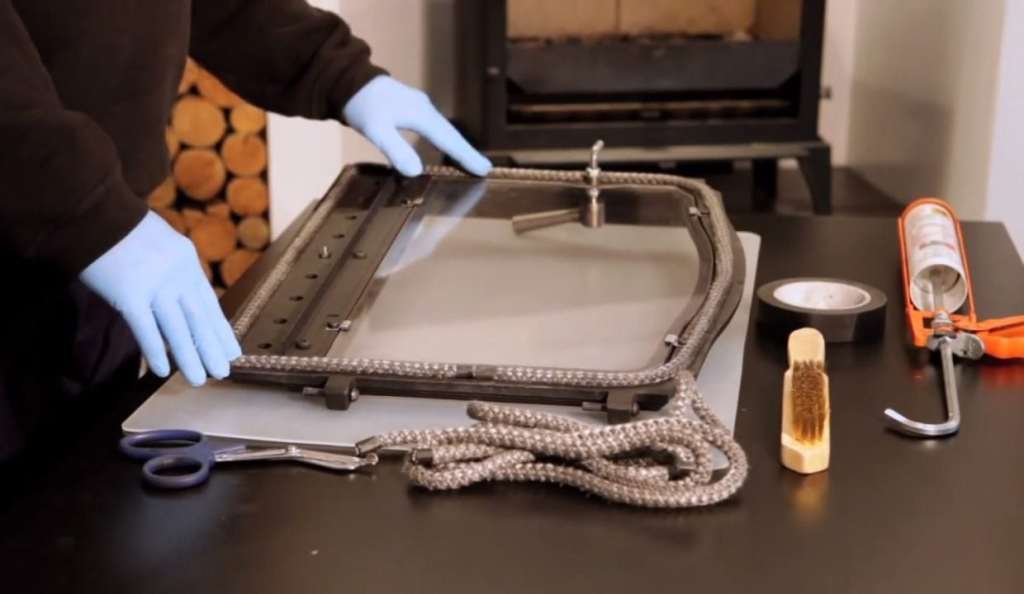
- Inspect the Gaskets:
Check the gaskets around the stove doors for wear and tear. Tight seals ensure optimal combustion and energy efficiency.
- Ash Removal:
Empty the ash pan regularly to maintain proper airflow. A layer of ashes can hinder combustion and reduce the stove’s efficiency.
Electric Stoves:
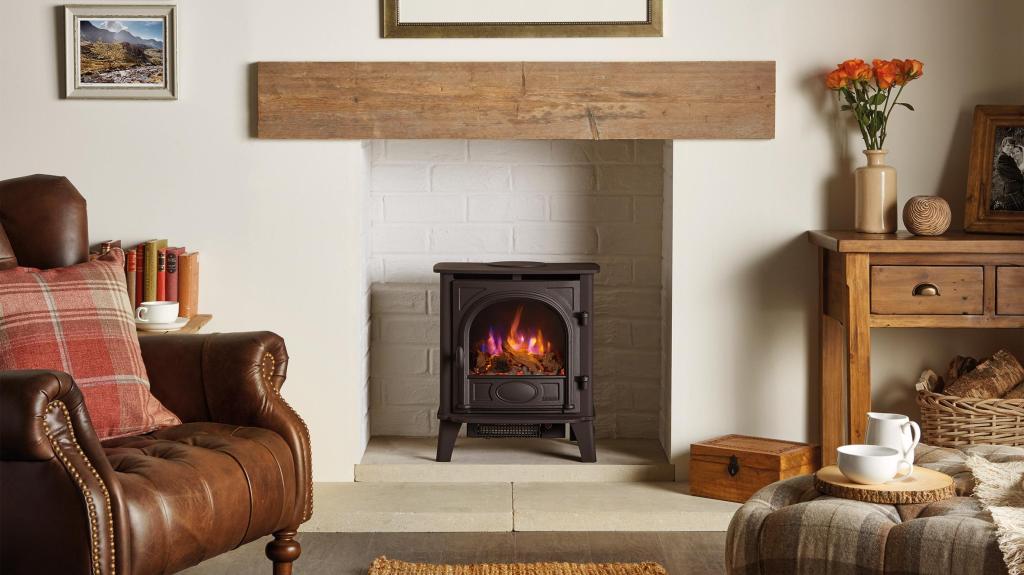
- Check Wiring and Plugs:
Inspect the power cord, plugs, and outlets for any damage. Faulty wiring can pose safety risks and affect the stove’s performance.
- Clean the Heating Elements:
If accessible, wipe down the heating elements to remove dust and debris. Clean elements ensure even heat distribution and prevent overheating.
- Control Panel Maintenance:
Gently clean the control panel with a damp cloth to prevent dust buildup. Avoid using abrasive materials that could damage the surface.
Gas Stoves:
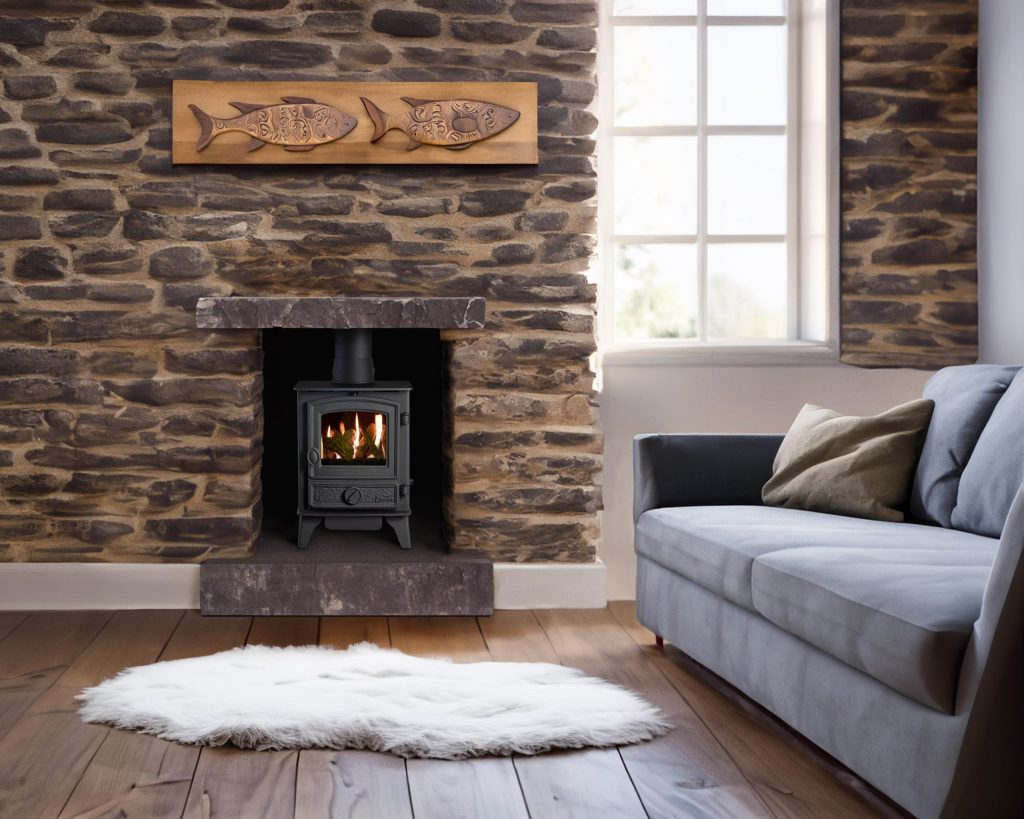
- Inspect Gas Lines:
Regularly check for gas leaks by inspecting the gas lines and connections. If you detect any gas odour, turn off the supply immediately and seek professional assistance.
- Clean Burners and Ventilation:
Keep the burners clean and free of debris to ensure a steady flame. Check the ventilation system for any blockages that might affect combustion.
- Check Pilot Light:
Ensure the pilot light is consistently burning. If it goes out frequently, it may indicate an issue with gas supply.
Outdoor Stoves:
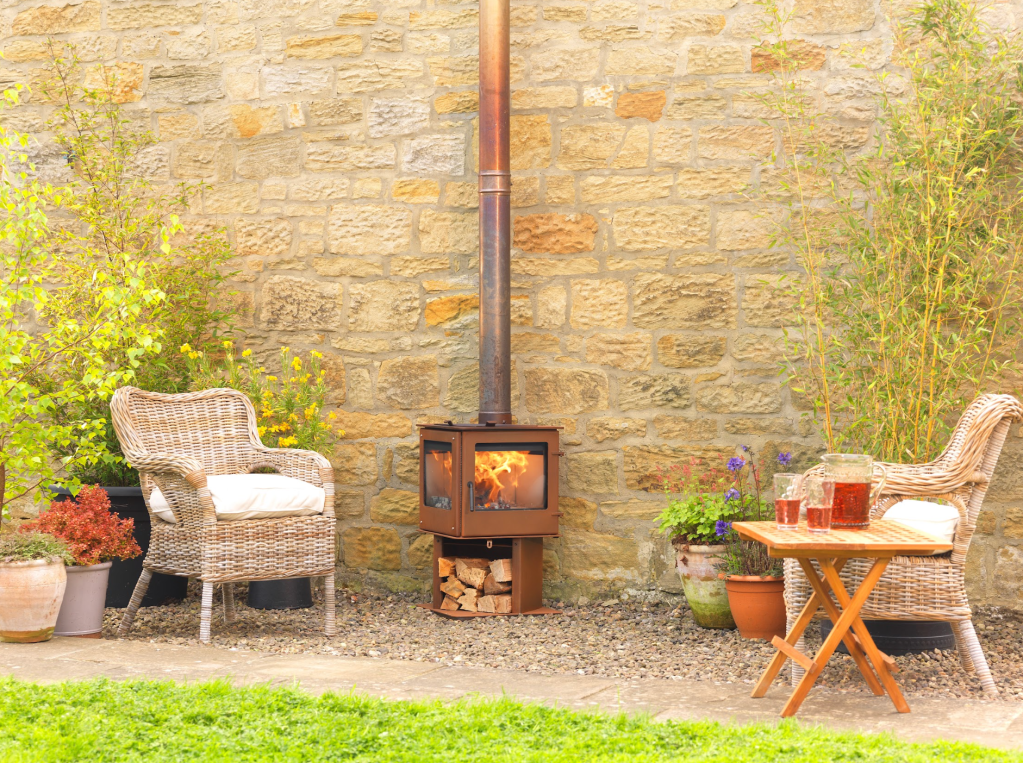
- Cleaning Grates and Surfaces:
For outdoor stoves, cleaning is crucial. Remove grease and food residue from grates and surfaces to prevent flare-ups and maintain safe cooking conditions.
- Protect Against the Elements:
If your outdoor stove is not in use, cover it to protect it from the elements. This prevents rust and extends the life of the appliance.
- Regular Inspection:
Where applicable, perform routine inspections of gas lines, regulators, and hoses. Address any wear or damage promptly to ensure safety during use.
Whether you’re enjoying the warmth of a wood-burning stove, the convenience of an electric stove, the precision of a gas stove, or the outdoor cooking experience, regular maintenance is essential. By following these tips, you’ll not only prolong the lifespan of your stove but also ensure it operates efficiently and safely, keeping the flame alive for years to come.
 Living Fires